
The Hidden Risks of a Damp Coat
While it may seem harmless, a persistently damp coat creates the perfect breeding ground for bacteria and yeast. This moisture, trapped against your dog's skin, can lead to a host of uncomfortable and sometimes painful conditions. One of the most common
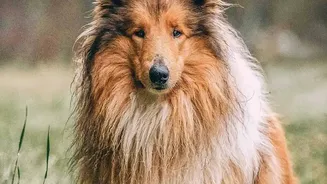
issues is acute moist dermatitis, often called "hot spots." These are red, inflamed, and infected areas of skin that can appear suddenly and spread quickly. Fungal and yeast infections are also a major concern in humid conditions, causing itchy, irritated skin and a distinct musty odor. In breeds with thick or double coats, packed undergrowth can act like a sponge, holding moisture close to the skin and preventing air from circulating, which makes these problems even worse. Beyond skin issues, prolonged exposure to wet and cold conditions can weaken a dog's immune system and, in some cases, lead to respiratory problems like pneumonia, especially in very young or old dogs.
Mastering the Post-Walk Dry-Off
A thorough drying routine is your first line of defense. The goal is to get the coat, especially the undercoat, completely dry. Start by letting your dog shake off the excess water. Then, use a highly absorbent towel, like one made of microfiber, to gently press and squeeze the water out of the fur. Avoid vigorous rubbing, as this can cause tangles and irritate the skin. For a more efficient dry, consider investing in a dog-specific bathrobe or drying coat. These wearable towels absorb moisture over 15 to 30 minutes while keeping your dog warm. A hairdryer on a low, cool setting can be used for dogs who tolerate the noise, but always keep it moving to prevent burns. Pay extra attention to areas that trap moisture, such as the belly, groin, armpits, and around the ears.
A Closer Look at Paw Patrol
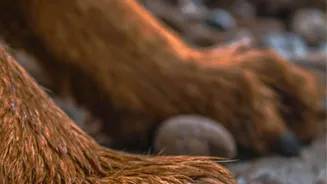
Paws are on the front line during wet walks, picking up mud, bacteria, and irritants from puddles and pavements. Stagnant water can harbor harmful bacteria like leptospirosis and parasites like Giardia. That's why cleaning and drying paws thoroughly is non-negotiable. Start by wiping them down with a towel. For muddy paws, a rinse with lukewarm water is effective. You can also use a portable paw washer or gentle dog-specific wipes for convenience. It's crucial to dry the paws completely, especially between the toes where moisture can lead to yeast infections or interdigital cysts. While cleaning, inspect the paw pads for any cuts, cracks, or embedded debris like thorns or small rocks. For long-haired breeds, keeping the fur between their paw pads trimmed short can help prevent matting and reduce moisture retention.
Essential Gear for Rainy Days
Having the right tools on hand can make your wet weather routine much easier and more effective. Highly absorbent microfiber towels or drying mitts are a must-have. A doggy bathrobe is a game-changer for getting your dog mostly dry with minimal effort. For cleaning paws, consider a no-rinse foaming cleanser or specialized dog paw wipes. A good quality paw balm can be applied after cleaning to soothe pads and protect them from becoming dry or cracked. For dogs who will tolerate them, waterproof booties are the ultimate protection, keeping paws clean and dry from the start. Finally, a waterproof and easy-to-clean mat at your entryway can help contain the mess before it gets tracked through the house.