



The Paneer Power-Up
Paneer, or Indian cottage cheese, is a breakfast champion for vegetarians. It's a fantastic source of protein, with a 100-gram serving providing around 18-20 grams. This makes it an excellent alternative to eggs for muscle repair and keeping you full
until lunch. One of the quickest and most popular ways to enjoy it is in a paneer bhurji. This simple scramble involves crumbling paneer and sautéing it with onions, tomatoes, and everyday spices like turmeric and cumin. The entire dish can come together in about 15 minutes. Served with a whole-wheat roti or toast, it becomes a complete, balanced meal that provides sustained energy. Unlike many breakfast options that are heavy on carbohydrates, a serving of paneer bhurji keeps you satisfied without the mid-morning slump.
Lentils for Lasting Energy
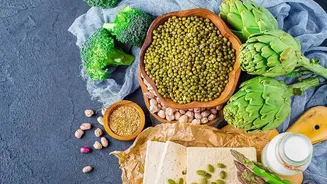
Lentils and pulses are a cornerstone of the Indian diet, and they make for a wonderfully versatile breakfast. The moong dal chilla, a savoury crepe made from split yellow lentils, is a prime example. Moong dal is light on the stomach and a great source of plant-based protein. To make chillas, you simply soak the dal, grind it into a smooth batter with ginger and green chillies, and cook it like a pancake. A serving of two medium chillas can offer between 14 to 16 grams of protein. For an extra protein boost, you can add a filling of crumbled paneer. Another popular option is the besan chilla, made from gram flour (chana dal flour), which is also rich in protein and fibre. These savoury pancakes are a fantastic vehicle for adding finely chopped vegetables like spinach, carrots, and capsicum into your morning meal.
Embrace Sprouts and Legumes
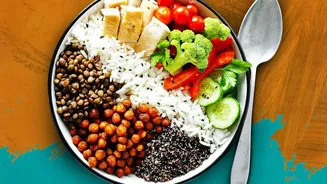
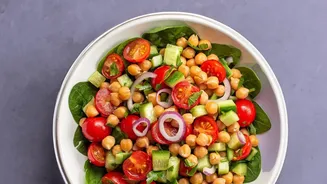
Sprouted legumes are a nutritional powerhouse, and they require minimal cooking. A sprouted moong bean salad is a fresh, crunchy, and incredibly healthy way to start your day. Lightly steaming the sprouts makes them easier to digest. For a simple 'chaat' style breakfast, combine a cup of steamed sprouts with chopped cucumber, tomatoes, and onions. Finish with a squeeze of lemon juice and a sprinkle of chaat masala for a tangy kick. This kind of breakfast is not only rich in protein but also high in fibre, which aids digestion and promotes a feeling of fullness. You can even add about 50 grams of crumbled paneer to a sprout salad to increase the protein content to around 15-17 grams per bowl.
Rely on Dairy and Nuts
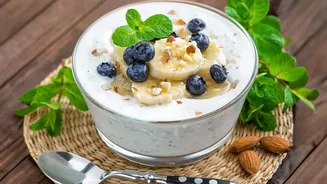
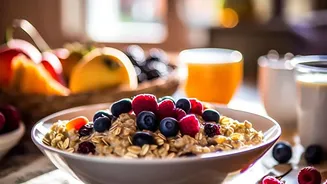
Dairy products beyond paneer are excellent sources of egg-free protein. Greek yoghurt, or hung curd, is particularly potent, containing almost double the protein of regular dahi because much of the liquid whey is removed. A bowl of thick curd topped with fruits, nuts like almonds and walnuts, and seeds like chia or flax can be a complete and satisfying meal. Smoothies are another incredibly easy way to get a protein fix. Instead of just fruit, build your smoothie with a protein-rich base like milk, soy milk, or yoghurt. Adding a tablespoon of peanut butter or a handful of almonds can further increase the protein content significantly. This approach is quick, customisable, and perfect for busy mornings.
Fortify Traditional Favourites
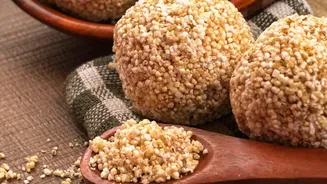
You don't always need to create a new dish to boost your protein intake. Many classic Indian breakfasts can be easily fortified. When making poha, for instance, be generous with additions like peanuts and green peas to elevate its nutritional profile. For upma, mixing in some dalia (broken wheat) or cooked soya granules can turn a simple carb-heavy dish into a more balanced meal. Even a simple slice of whole-grain toast becomes a high-protein breakfast when topped with peanut butter or a quick scramble of tofu, which is a complete plant protein made from soybeans. The key is to think in combinations, pairing a carbohydrate with a reliable protein source to fuel your body effectively.