

The Science of a Satisfying Snap
Our love for crunchy food is more than just a preference; it's wired into our brains. From a psychological perspective, the very act of chewing something with a loud crunch can be a form of stress relief. The sound itself—what researchers sometimes call
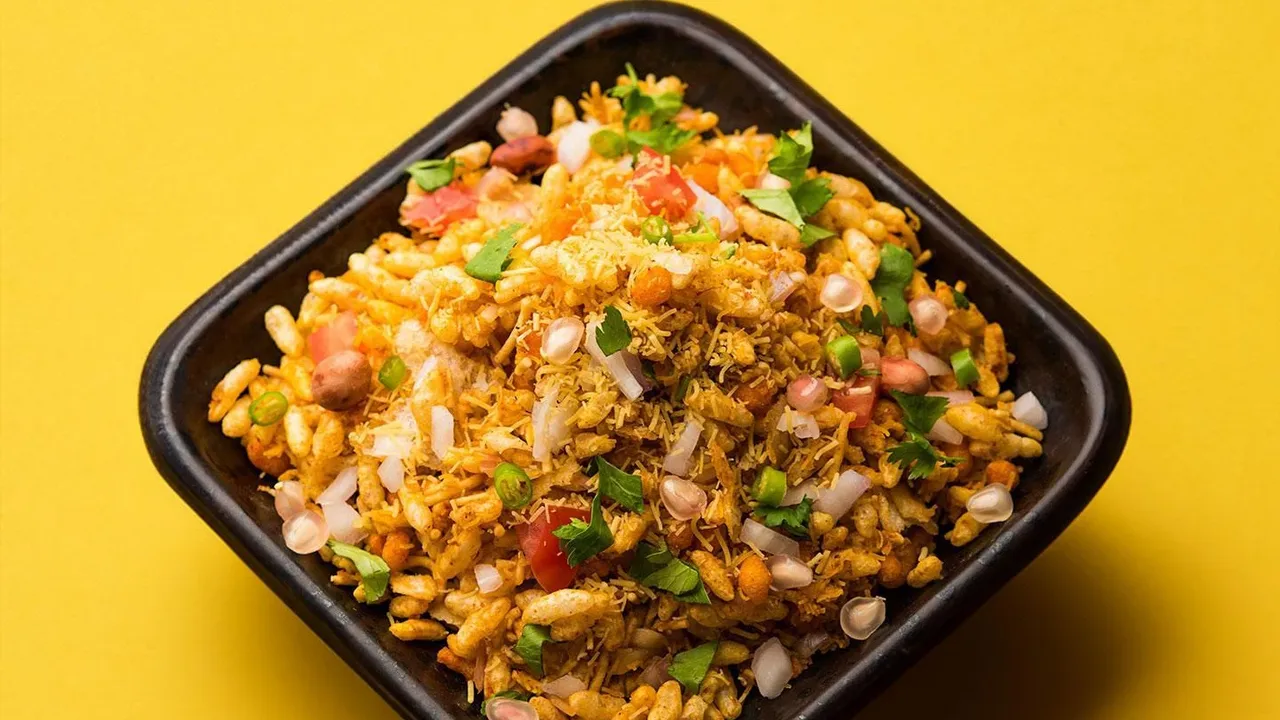
the “music of mastication”—is a huge part of the experience. It captures our attention, making us more mindful of what we're eating. This multi-sensory engagement, involving taste, touch, and sound, can even trigger a pleasure response in the brain. Evolutionarily, a crunchy texture in fruits and vegetables signals freshness and a higher nutrient content, a key indicator of quality our ancestors relied on. So when we add crunch to a soft rice bowl, we're not just adding texture; we're tapping into a deep-seated instinct that tells our brain this food is fresh, exciting, and satisfying.
Easy Pantry-Friendly Toppings
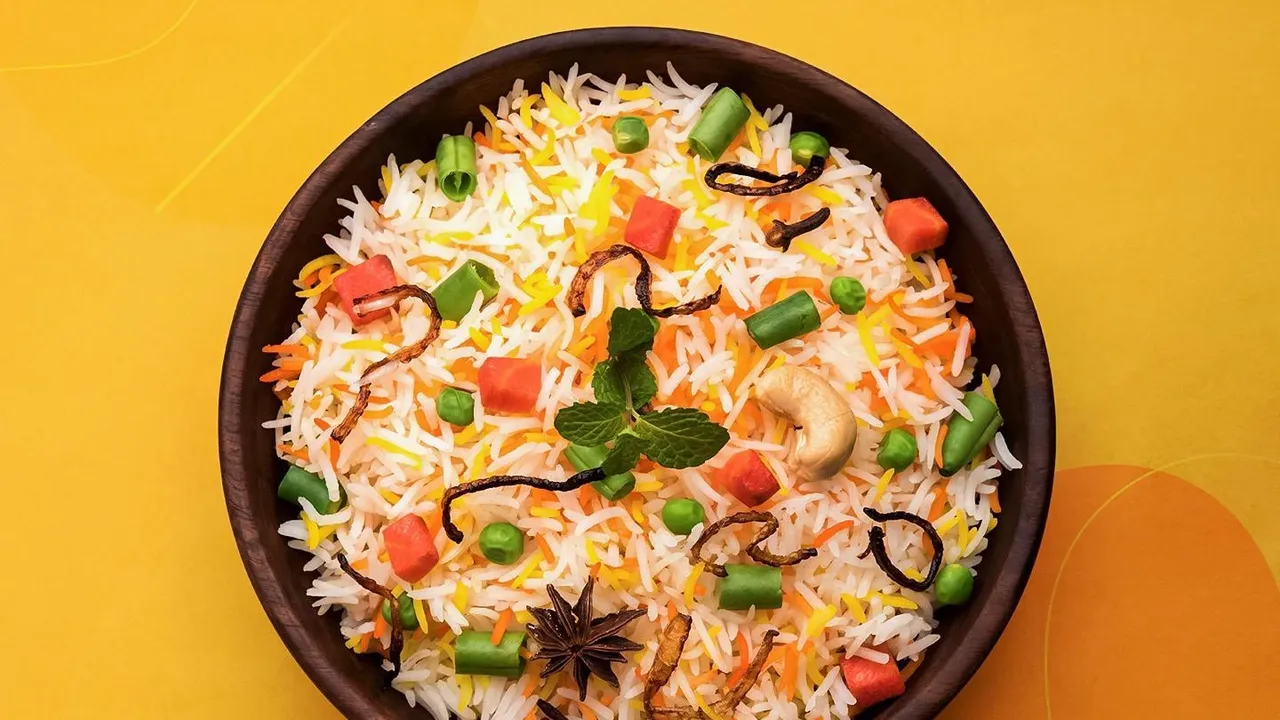
You don't need to be a professional chef to master the art of crunch. In fact, your pantry is likely already stocked with perfect textural additions. Toasted nuts and seeds are the easiest place to start. Almonds, peanuts, cashews, and sesame seeds add a nutty flavour and a substantial bite. To enhance their flavour, toast them in a dry skillet for a few minutes until fragrant. Another fantastic option is fried shallots or onions, a staple in many Southeast Asian cuisines. Their savory, crispy texture can elevate anything they touch. Even something as simple as toasted breadcrumbs, tossed with a little oil and seasoning, can be sprinkled over a rice bowl for a delightful contrast, much like a final seasoning that completes the dish.
Fresh Vegetables for a Healthy Crunch
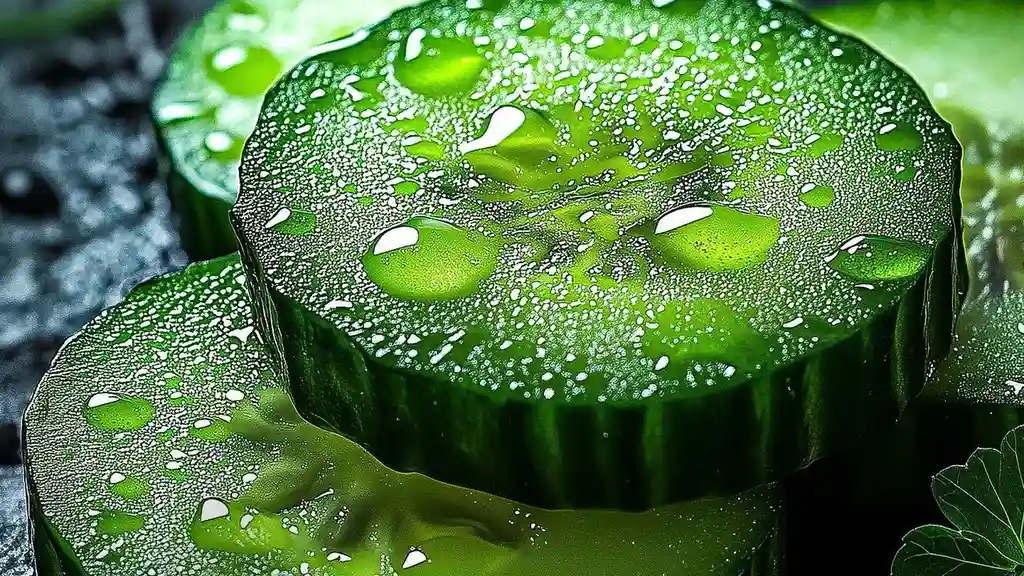
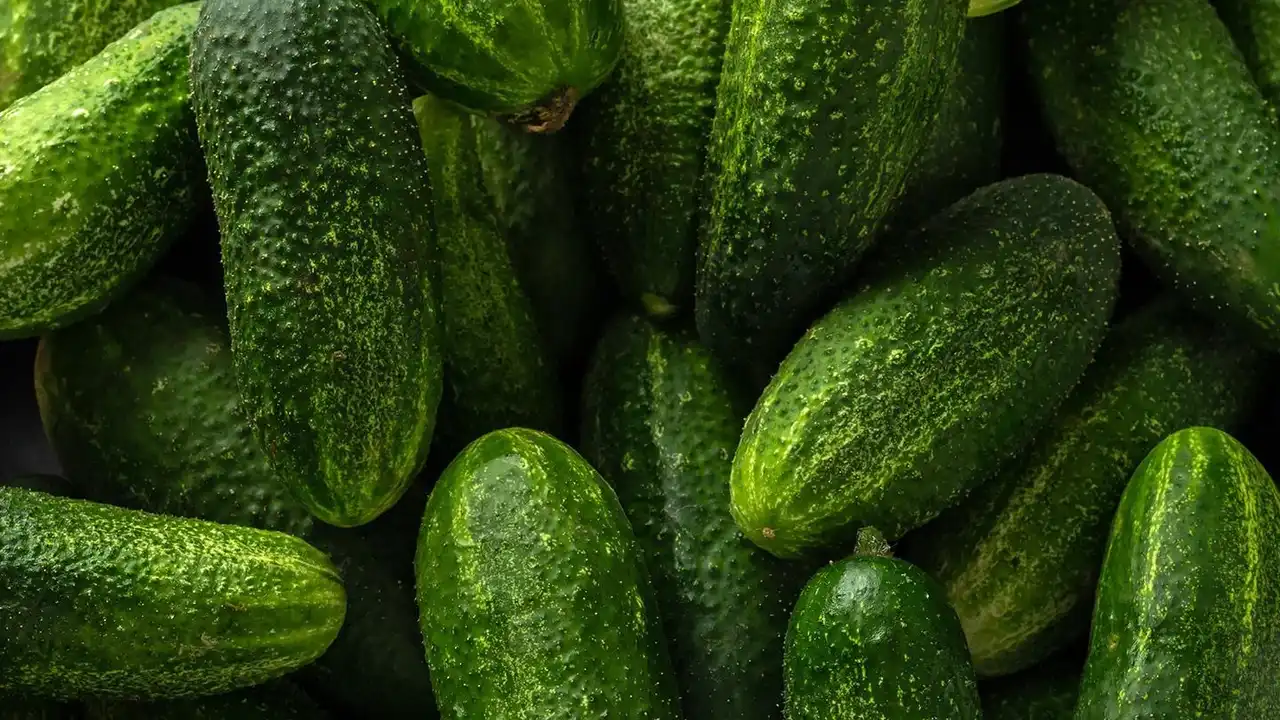
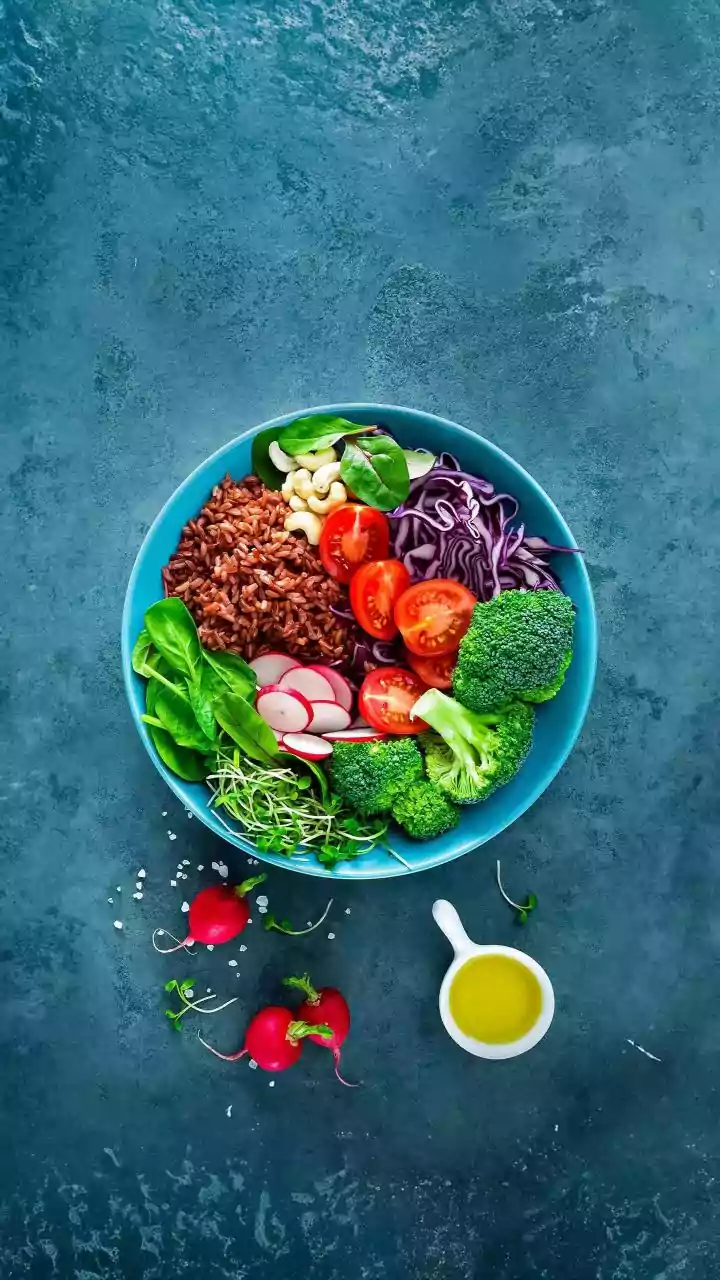
For a healthier but equally satisfying crunch, look no further than the produce aisle. Raw or lightly pickled vegetables provide a refreshing snap that cuts through the richness of other bowl components. Thinly sliced radishes offer a peppery bite, while diced cucumbers and bell peppers lend a cool, crisp freshness. Shredded carrots and cabbage not only add texture but also vibrant colour. Don't underestimate the power of finely chopped celery or snap peas. These vegetables take very little effort to prepare but pay huge dividends in textural variety, making the meal feel more dynamic and filling without adding heaviness.
Get Inspired by Global Flavours
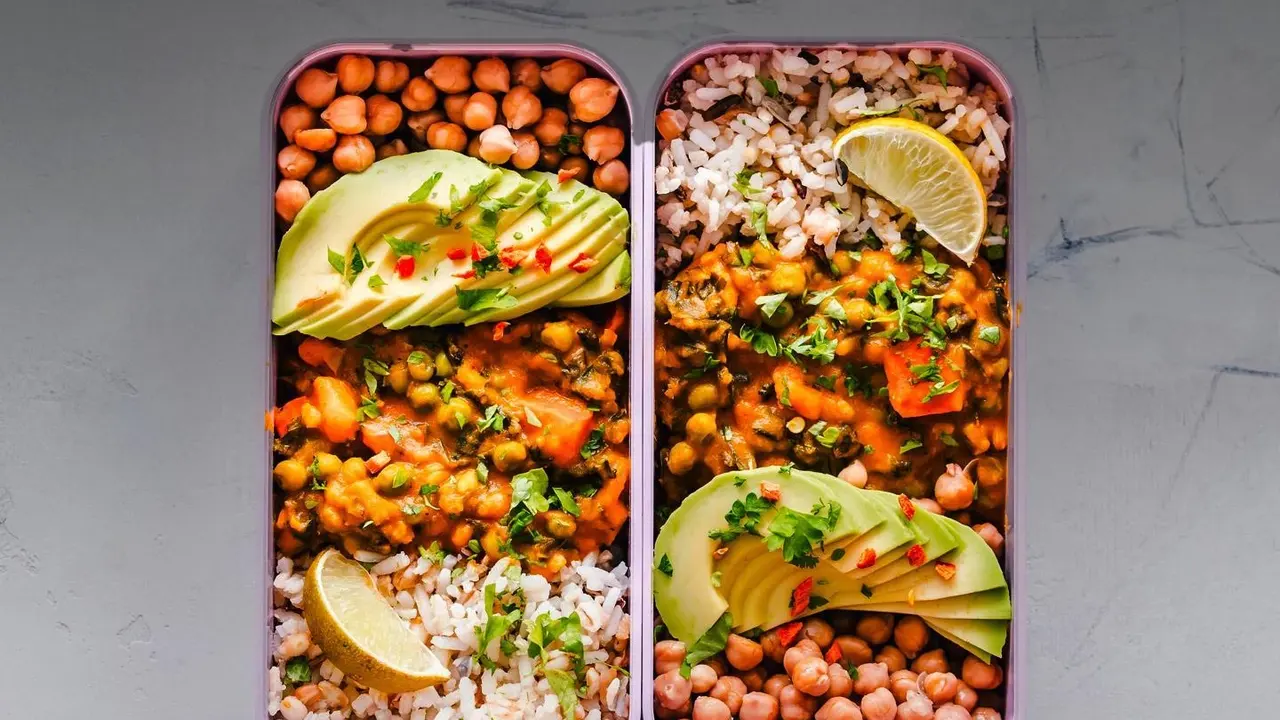
Cultures around the world have long understood the importance of textural play in their rice-based dishes. In Japan, furikake—a dry condiment typically made of toasted sesame seeds, nori, salt, and sugar—is a go-to topping for rice. In Latin-inspired bowls, crushed tortilla chips or toasted pepitas (pumpkin seeds) provide a hearty, satisfying crunch. Taking a cue from Thai cuisine, a sprinkle of crushed roasted peanuts can add a familiar and beloved texture. You can also make your own crispy toppers at home. Roasted chickpeas, tossed with olive oil and spices and baked until golden, are a fantastic and protein-rich addition. By looking at how different cuisines build their flavour profiles, you can find endless inspiration for making your own rice bowls more exciting and texturally complex.