



More Than Just a Holiday Special
When an Indian restaurant announces a special menu for Diwali, Onam, or Durga Puja, it is doing more than just participating in a holiday. It is making a strategic statement about its identity. These menus are not just about driving sales; they are a deep
dive into cultural storytelling. Festivals are intrinsically linked to specific foods that reflect the season, regional produce, and family traditions. By curating a menu around these moments, a restaurant taps into a powerful current of nostalgia and emotion. It offers diners something deeply familiar, a chance to reconnect with their roots through food. This act transforms the restaurant from a simple place to eat into a cultural anchor, a space where community and heritage are celebrated.
Curating an Authentic Regional Identity
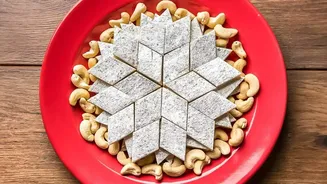
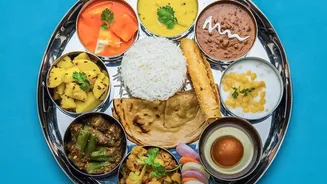
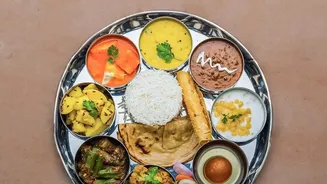
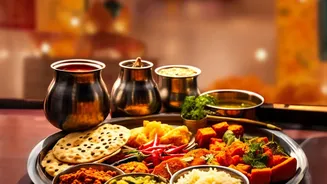
One of the most effective ways festival menus create a sense of place is by showcasing regional specificity. India’s culinary landscape is incredibly diverse, with each region boasting unique festival dishes. A restaurant that offers a meticulously prepared Onam Sadhya, with its 26-plus vegetarian dishes served on a banana leaf, is instantly defining itself as a custodian of Keralite cuisine. Similarly, a Bengali restaurant’s Durga Puja menu, rich with fish preparations and distinct sweets like sandesh, carves out a specific cultural niche. This focus on regional authenticity is a powerful differentiator. In a crowded market, it helps a restaurant move beyond the generic “Indian food” label and build a reputation for a specific culinary tradition, attracting diners who are looking for genuine, hyperlocal flavours.
The Chef as a Cultural Storyteller
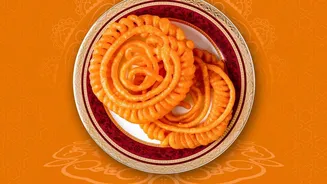
Behind every great festival menu is a chef acting as a cultural guardian. Crafting these menus often involves resurrecting forgotten family recipes and traditional cooking techniques that have been passed down through generations. This process is a labour of love, requiring research, precision, and a deep respect for the ingredients and their history. When a chef presents a dish and shares its story—explaining that a particular sweet is made for Diwali or a savoury snack is essential to Lohri celebrations—they are adding a layer of emotional depth to the dining experience. This storytelling makes the food more memorable and forges a personal connection between the chef, the restaurant, and the guest. The restaurant becomes known not just for its food, but for its role in preserving and sharing culinary heritage.
Building Community and Creating Occasions
Festival menus are, by nature, limited-time offerings. This scarcity creates a sense of novelty and excitement, giving people a reason to visit now. Restaurants can become landmarks for these annual celebrations, with patrons returning year after year for a specific festive meal. These events foster a vibrant, communal atmosphere that turns a simple dinner into a shared cultural experience. The restaurant becomes a hub for community gathering, a place where families and friends come together to mark important occasions. This strategy is a powerful way to build loyalty. By creating these unique, recurring culinary events, restaurants cultivate a dedicated following that feels a personal stake in the establishment's success, viewing it as an essential part of their own festive traditions.