





What is a Smoke Point, and Why Does It Matter?
Every fat, from ghee to groundnut oil, has a smoke point. This is the temperature at which the oil stops looking shimmery and starts smoking. When this happens, it's a sign that the fat is breaking down. This chemical breakdown not only creates a burnt,
unpleasant flavour but also releases harmful compounds. Heating an oil past its smoke point destroys beneficial nutrients and produces free radicals, which are unstable molecules that can cause damage to your body's cells over time. One particularly nasty compound formed is acrolein, which gives burnt food its sharp smell and taste. The goal is to always cook with a fat that remains stable at the temperature you are using, ensuring your food is both delicious and safe.
The Golden Standard: The Stability of Ghee
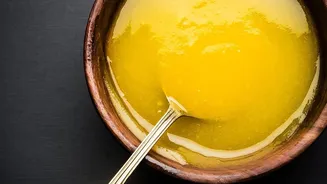
Ghee, or clarified butter, has long been a cornerstone of Indian cooking for a very good reason: it has an exceptionally high smoke point. By removing the milk solids and water from butter, the clarification process leaves behind pure fat that is highly resistant to heat. Good quality ghee can have a smoke point of around 250°C (482°F), which is significantly higher than most other cooking fats, including butter (175°C) and many unrefined oils. This makes ghee an excellent and safe choice for high-heat cooking methods common in Indian kitchens, such as deep-frying puris, searing kebabs, or preparing a sizzling tadka for dal. Its stability means it won't break down easily, preserving the quality of your food.
What Happens When Ghee is Infused?
Infusing ghee with spices and herbs like garlic, rosemary, or chillies can add wonderful layers of flavour. However, it's important to understand how this might affect its performance. Adding any foreign particles, whether they are bits of herbs or spices, can potentially lower the smoke point of the ghee. This is because these solids can burn at a lower temperature than the pure fat itself. While a hot infusion process is often quick, it's crucial not to let the ghee boil, as excessive heat can damage the flavours. If you are cooking with infused ghee, it's wise to be more watchful. Use it for medium-heat applications like sautéing vegetables or flavouring rice, where the risk of reaching the lowered smoke point is minimal.
The Appeal of Cold-Pressed Oils
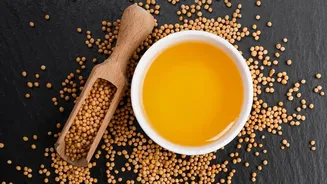
Cold-pressed oils are extracted from seeds or nuts using mechanical pressure without heat, which is why they are often called 'kachi ghani' oils. This gentle process helps the oils retain more of their natural nutrients, antioxidants, flavour, and aroma compared to their refined counterparts, which use heat and chemical solvents. Popular choices in India include groundnut, mustard, sesame, and coconut oil. Because they are unrefined, they contain more natural compounds. While this enhances their nutritional profile, it also generally gives them lower smoke points than refined oils. They are celebrated for their health benefits, including being rich in vitamins and healthy fatty acids.
The Right Oil for the Right Job
The key to cooking safely is matching the oil to the method. Cold-pressed oils aren't meant for extreme-heat cooking. For daily cooking like making a curry base or shallow frying, cold-pressed groundnut oil (smoke point around 160-180°C) and virgin coconut oil (around 177°C) are excellent choices. Cold-pressed mustard oil, with its smoke point of 150-180°C, is perfect for traditional Bengali cooking or tempering, where the goal is to heat it just enough to develop its pungent flavour without burning it. These oils are best used for low to medium-heat cooking, or for drizzling over finished dishes to preserve their delicate nutrients and rich flavours. For high-heat tasks like deep-frying samosas, ghee remains the superior and safer option due to its high smoke point of 250°C.