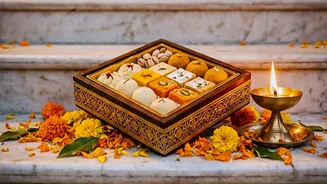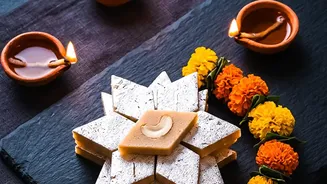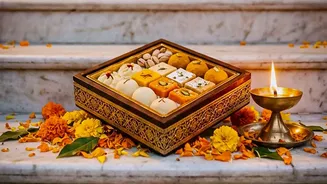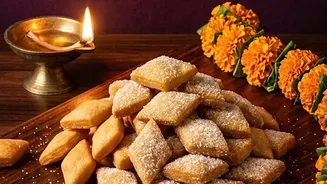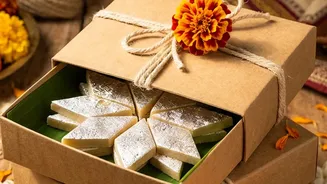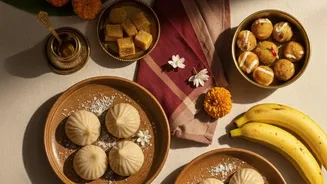




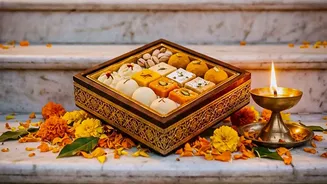
Diwali is a time of joy, light, and delicious indulgence. But as we become more health-aware, the festive table can feel like a challenge. Here’s how you can plan a varied and delightful dessert spread that’s both traditional and mindful.
Embrace Natural Sweeteners
The foundation
of any Indian sweet is, of course, the sweetness. This year, move beyond refined sugar. Jaggery (gur) is a fantastic substitute, offering a rich, molasses-like flavour and minerals like iron. Date syrup or paste made from soaked and ground dates provides sweetness along with fibre and a dense texture, perfect for ladoos and barfis. Other great options include coconut sugar, which has a lower glycemic index, and mishri (rock sugar) for a milder sweetness. For those who need to be extra cautious, plant-based sweeteners like stevia or monk fruit extract can replicate sweetness without calories or a glycemic impact, making them suitable for diabetic-friendly preparations.
Swap Your Grains and Flours
Many traditional sweets use refined flour (maida) or fine semolina (sooji). Give your sweets a nutritional boost by using whole grains and millets. Ragi (finger millet) flour can be used to make a delicious and fibre-rich halwa or ladoo. Oats and other millet flours like bajra can be incorporated into barfis and laddoos, adding a rustic texture and wholesome nutrients. Even classics like motichoor ladoo can be made with a base of besan (gram flour), which is naturally gluten-free and protein-rich. These swaps not only reduce the glycemic load but also introduce a variety of new, earthy flavours to your dessert table.
Prioritise Healthy Fats
Fat is essential for flavour and texture in mithai, but the source matters. Pure ghee, when used in moderation, is a traditional and beneficial choice. Nuts and seeds are your best friends here. Almonds, cashews, pistachios, and walnuts can be ground into flour for barfis or used whole for crunch and richness. Date and nut rolls, bound together without any added sugar, are a perfect example of using the natural fats and sweetness of ingredients to create a decadent treat. Til (sesame seeds) are another excellent ingredient, providing healthy fats and iron, especially in the form of til ladoos sweetened with jaggery.
Bake, Don't Fry
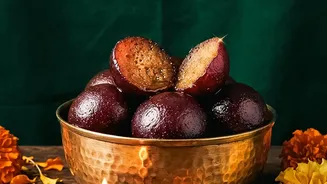
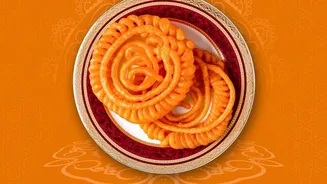
Many beloved festive snacks and sweets are deep fried. The good news is that many of them taste just as delicious when baked. Gujiyas or karanji can be made with a whole wheat crust and baked until golden and crisp, drastically reducing the oil content. Baked modaks, with their traditional coconut and jaggery filling, develop a lovely crust while the inside remains moist. You can even find recipes for baked versions of gulab jamun, which are soaked in a lighter syrup after baking, offering the same beloved flavour with less guilt. This simple switch in cooking method can make a huge difference.
Let Fruits Take Centre Stage
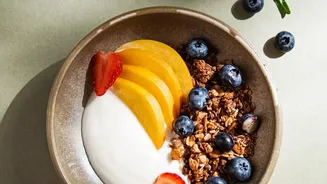
Don't underestimate the power of fruit. A beautifully arranged platter of seasonal fruits adds colour, freshness, and natural sweetness to your dessert table, providing a light counterpoint to richer mithai. You can also incorporate fruits directly into your sweets. Anjeer (fig) barfi, sweetened only with figs and packed with nuts, is a classic healthy option. Apple or quinoa kheer offers a modern, protein packed twist on a traditional favourite. Desserts like gajar ka halwa also rely on the natural sweetness of vegetables, which can be enhanced with dates or jaggery instead of sugar.
Focus on Portion and Presentation
A health conscious approach is not just about ingredients; it's also about how you serve and eat. Create bite sized versions of your sweets. Mini ladoos, small squares of barfi, or tiny cups of kheer encourage portion control. Arrange them on a platter with fresh fruit, roasted nuts, and savoury snacks to create balance. This approach encourages guests to sample a variety of items without overindulging in any single one. A visually appealing, balanced table makes mindful eating a natural and enjoyable part of the celebration.