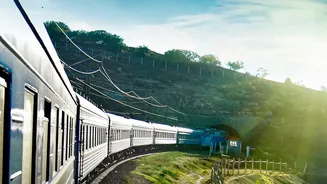





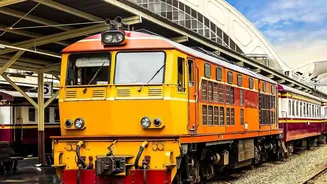
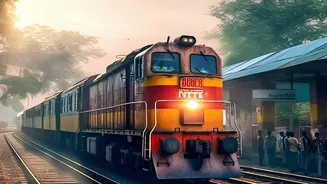

Your Guide to Festive Special Trains
During peak festive periods like Diwali, Chhath Puja, and Holi, the demand for train tickets skyrockets, leaving regular services with impossibly long waitlists. To cope with this surge, Indian Railways introduces hundreds of temporary 'festival special
trains'. These services are designed to add capacity on the busiest routes, connecting major cities like Delhi, Mumbai, and Bengaluru with towns across states such as Uttar Pradesh, Bihar, and West Bengal. For instance, ahead of the 2026 Diwali and Chhath Puja festivals, numerous special services were announced connecting places like Pune, Varanasi, Ayodhya, and Patna. The primary goal is simple: to help more people get home for the holidays.
How to Identify and Book These Trains
Spotting a special train is easy if you know what to look for. Their train numbers are distinct, typically beginning with '0' (e.g., 04209). These trains are not part of the permanent yearly schedule and are announced in phases, sometimes just a few weeks before the festival. Passengers can book tickets through the same channels as regular trains: the official IRCTC website and mobile app, or at computerised reservation counters at stations. However, because they are announced closer to the travel date, they offer a window of opportunity for those who couldn't secure a seat on regular trains, but they also fill up extremely fast.
The Catch: Special Fares and Pricing
While they provide much-needed extra seats, these trains come at a higher cost. They operate under a 'special charges' or dynamic fare system. This means the base fare is typically 10% to 30% higher than on a regular Mail or Express train for the same route, comparable to Tatkal ticket prices. The fare can increase further as demand rises and seats fill up. This pricing model is designed to cover the operational costs of running unscheduled services during periods of high network congestion. Passengers should be aware that senior citizen and other concessions are generally not applicable on these trains.
The Passenger Experience: A Mixed Bag
The main advantage of a special train is clear: it offers a chance to travel when all other options are exhausted. However, the experience can be inconsistent. These trains are often given the lowest priority on the network, leading to frequent delays as they are made to wait for regular scheduled trains to pass. Stories of overcrowding, especially in sleeper and even AC coaches, are common during the peak rush. Furthermore, on-board amenities can be limited; for example, many special trains do not have a pantry car, so passengers are advised to carry their own food and water.
Tips for Smart Festive Travel
If you plan to travel during a festival, planning is crucial. Book regular train tickets as soon as the 120-day booking window opens. If you miss out, monitor the press releases from zonal railways or use alerts to know when special trains are announced for your route. When booking a special train, act fast, as seats on popular routes are gone in hours. Be flexible with your travel dates by a day or two, as special services may run on specific days of the week. For real-time information on train schedules and delays, use the National Train Enquiry System (NTES) app.