





Why Is Everyone Talking About Fibre?
There's a quiet revolution happening on the breakfast table. After years of focusing on convenience, many are now seeking morning meals that do more than just fill a temporary gap. The spotlight has turned to dietary fibre, a type of carbohydrate the body
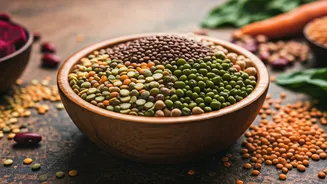
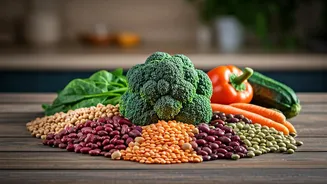
can't digest, found in plants like fruits, vegetables, whole grains, and legumes. This shift is driven by a growing awareness of gut health and a collective fatigue from the quick energy spikes and subsequent crashes delivered by sugary, processed breakfast options. Consumers, especially younger generations, are increasingly interested in foods that support long-term wellness, and fibre is a key player. It’s about choosing foods that provide steady, reliable energy to carry you through the morning and beyond.
The Science-Backed Benefits of a High-Fibre Start
Starting your day with fibre isn't just about preventing constipation; the benefits are far-reaching. Fibre slows down digestion, which helps regulate the body's use of sugars and keeps blood sugar levels stable. This prevents the dreaded mid-morning slump and keeps you feeling alert and focused. Furthermore, fibre adds bulk and helps you feel fuller for longer, which can aid in weight management by reducing the urge to snack. It also acts as a prebiotic, feeding the beneficial bacteria in your gut. A healthy gut microbiome is linked to numerous health advantages, including a stronger immune system, improved heart health by helping to lower cholesterol, and even better brain function.
Indian Breakfasts Packed with Fibre
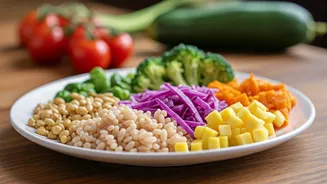
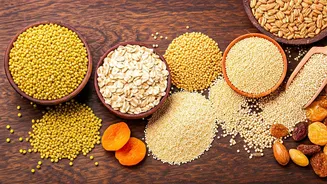
The good news is that a high-fibre breakfast doesn't require imported superfoods. The traditional Indian kitchen is already rich with options. Instead of white rice poha, try brown rice poha, which retains the fibre-rich bran layer. Swapping semolina upma for one made with steel-cut oats, broken wheat (dalia), or millets like ragi and jowar significantly boosts fibre content. Savoury pancakes like moong dal chilla or besan cheela, especially when loaded with vegetables like spinach and carrots, are excellent sources of both fibre and protein. Even the humble idli can be transformed by using millets or brown rice. These meals not only align with local tastes but are also nutritional powerhouses.
Easy Swaps to Boost Your Morning Fibre
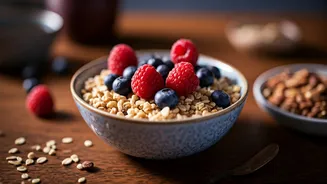
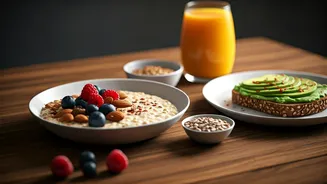
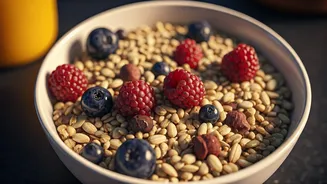
Increasing your fibre intake doesn't have to be drastic. The key is to make small, sustainable changes. If you enjoy oatmeal, opt for rolled or steel-cut oats over instant varieties and top it with nuts, chia seeds, or fresh fruit. For toast lovers, switching to whole-grain bread and topping it with avocado can make a big difference. You can also fortify existing meals; for instance, adding roasted peanuts and boiled sprouts to poha adds fibre and a satisfying crunch. The Indian Council of Medical Research recommends about 40g of dietary fibre per day, but many urban Indians consume much less. Simple swaps, like using multigrain atta for parathas and stuffing them with vegetables like radish or fenugreek, can help close this gap.
How to Make the Switch Smoothly
If your diet has been low in fibre, it's wise to increase your intake gradually to give your digestive system time to adapt. A sudden jump can lead to temporary bloating or discomfort. Start by making one change, like adding a high-fibre option to your breakfast a few times a week. It is also crucial to drink plenty of water throughout the day. Water helps soluble fibre form a gel and helps insoluble fibre move through your system, allowing you to reap all the benefits without the side effects. Listen to your body and find a rhythm that works for you. The goal is to build a consistent habit that supports your health in the long run.