





The Quest for the Perfect Mouthfeel
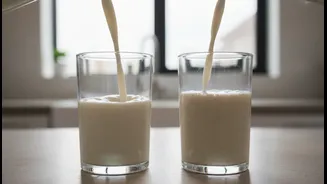
For anyone who has swapped dairy for a plant-based alternative, the moment of truth is often in the texture. A splash in your morning chai or coffee can reveal a lot. Does it blend seamlessly, or does it separate into a sad, watery slick? Does it feel
creamy and satisfying, or thin and disappointing? Texture is king in the world of milk alternatives. Many early and even current options like almond or rice milk struggle to replicate the full-bodied mouthfeel of dairy. Consumers often complain of issues like grittiness, a chalky aftertaste, or a general lack of creaminess. This textural challenge stems from the fundamental composition of plant sources. Creating a stable emulsion that feels rich and smooth is a complex food science puzzle, one that often involves additives like gums and emulsifiers to solve.
Pea Milk: The Protein Powerhouse
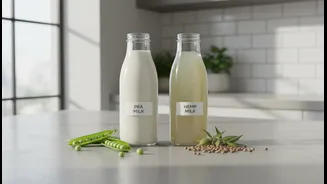
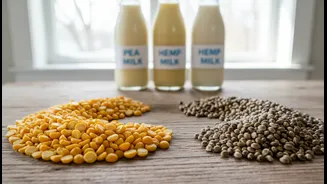
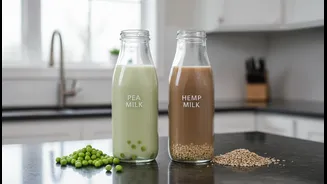
At first glance, 'pea milk' might sound unappealing, conjuring images of a green, vegetable-like drink. However, this dairy-free option is made from yellow split peas, and its textural superiority lies in its high protein content. Unlike many plant milks that are low in protein, commercial pea milk often contains around eight grams of protein per serving, comparable to cow's milk. This protein isn't just for nutrition; it's the key to its creamy texture. Manufacturers isolate the protein from the peas, stripping away the components that cause a 'beany' taste. This purified pea protein is then blended with water and, typically, a fat like sunflower oil. The protein acts as a natural emulsifier, helping to bind the oil and water together, creating a stable, smooth, and impressively thick beverage that resists separating in hot drinks.
Hemp Milk: Naturally Rich and Creamy
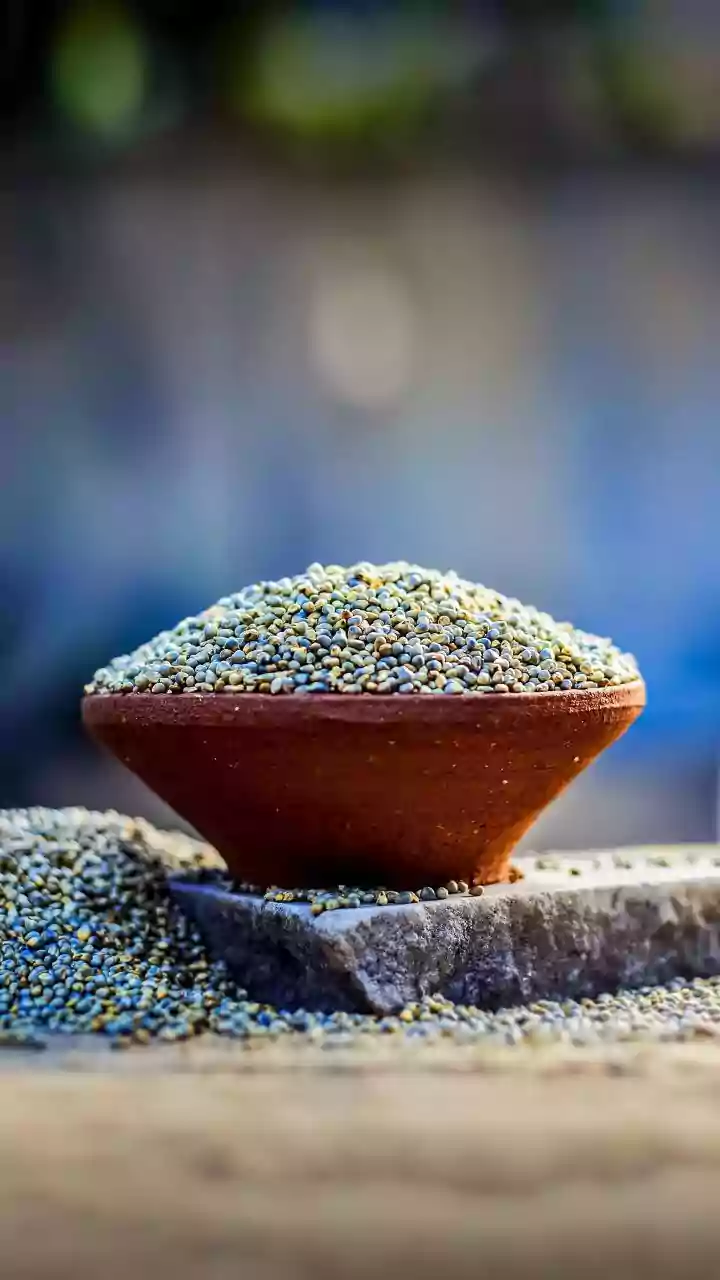
Hemp milk is another rising star, praised for its uniquely rich and creamy consistency. Its secret lies in the natural composition of hemp seeds themselves. The seeds contain a good balance of healthy fats, including omega-3 and omega-6 fatty acids, as well as protein. When hemp seeds are blended with water, these fats and proteins create a naturally thick and creamy liquid without requiring extensive processing or a long list of additives. The result is a milk with a texture often described as richer than skim milk and wonderfully smooth. While homemade versions can sometimes have a slightly earthy or nutty taste, the texture is consistently praised. For an even smoother consistency, the milk can be strained, but many find that a high-speed blender creates a silky product without the need for straining.
A Textural Showdown with Other Milks
When placed alongside their competitors, the textural advantages of pea and hemp milk become clear. Almond milk, while popular, is notoriously thin and watery unless it's fortified with thickeners. Soy milk, a classic alternative, can sometimes have a beany flavor and a texture that some find chalky or gritty. Oat milk has gained massive popularity for its creaminess, which comes from its soluble fiber content, but this can sometimes result in a slightly slimy texture that not everyone enjoys. Pea milk, by contrast, delivers creaminess through protein, avoiding the sliminess of oat milk and the thinness of almond milk. Hemp milk offers a fat-driven richness that feels luxurious and substantial, setting it apart from many nut- and grain-based options. This makes both excellent, versatile choices for everything from cooking and baking to a satisfying glass on their own.