

Identifying an Official Vendor
Your first line of defense against unauthorised sellers is visual verification. Official Indian Railways Catering and Tourism Corporation (IRCTC) staff and authorised vendors are required to carry proper identification. In recent years, IRCTC has introduced
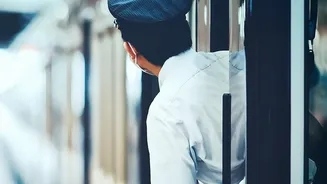
QR code-based ID cards for all onboard catering personnel to curb the menace of illegal vendors. This card displays the vendor's name, designation, and other details which can be scanned for authenticity. They should also be in uniform. Any vendor who cannot produce a valid, verifiable ID card upon request should be treated with suspicion. Remember, no vendor is permitted to sell items on railway premises without prominently displaying their identity card. This simple check is a powerful tool for every passenger.
The Power of the Bill
One of the most effective policies introduced by Indian Railways to combat overcharging is the 'no bill, the food is free' rule. This policy was implemented after numerous passenger complaints about being charged more than the official rate. Authorised vendors, especially those from the pantry car, are now mandated to carry Point of Sale (POS) machines to provide a printed bill for every transaction. This ensures transparency. If a vendor makes excuses like the bill book being unavailable or promises to provide it later, you have the right to refuse payment. Some staff uniforms even carry the slogan 'No Bill – The Food is Free' to raise passenger awareness. Always insist on a bill; it's your proof of purchase and your primary weapon against overcharging.
Know the Official Rates
How do you know if you're being overcharged? Indian Railways and IRCTC have made food menus and rate cards publicly accessible. The 'Menu on Rails' app was launched specifically to show passengers the official prices for food items on various trains, including Mail/Express, Rajdhani, Shatabdi, and Duronto. The prices for standard meals, breakfast, biryani, and beverages are fixed. For example, a vegetarian standard meal on a Mail/Express train has a set price, as does a bottle of Rail Neer packaged water. Before your journey, or even during, you can check these official rates. An informed passenger is less likely to be cheated. If a vendor quotes a price higher than the official rate, you can confidently challenge them by showing the official price list.
Leverage Digital Tools for Orders and Complaints
The safest way to get food on a train is often to bypass the walk-in vendors altogether. IRCTC's e-Catering service, through the 'Food on Track' app and website, allows you to order from a network of over 500 verified and FSSAI-licensed restaurants. You simply enter your PNR number to see which restaurants can deliver to your seat at upcoming stations. This system partners with well-known brands and trusted local eateries, ensuring hygiene and accountability. For complaints, the 'RailMadad' app is your most powerful tool. Whether it's overcharging, poor food quality, or an issue with a vendor, you can file a complaint in real-time, often leading to a swift resolution, including refunds. Passengers can lodge grievances via the app, website, or by calling the helpline number 139.
When in Doubt, Take Action
If a vendor seems suspicious, is not wearing a uniform, refuses to show an ID, or cannot provide a bill, it is best to avoid purchasing from them. Your health and safety are paramount. Unauthorised vendors often sell unhygienic food that can pose serious health risks. Reporting such vendors is also a civic duty that helps improve the system for everyone. You can report unauthorised vendors through the RailMadad app or by informing the Train Ticket Examiner (TTE) or other railway officials on board. Providing details like the train number, coach, and a description of the vendor can help authorities take action. By being vigilant and using the tools available, you contribute to a safer and more reliable catering ecosystem on Indian Railways.