


A Double Harvest from a Single Field
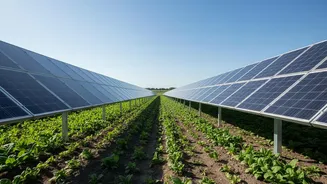
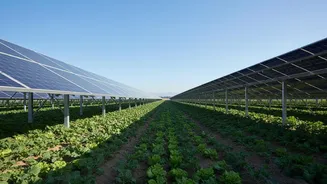
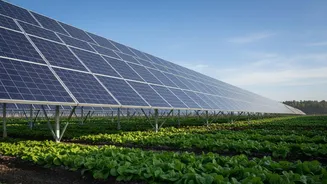
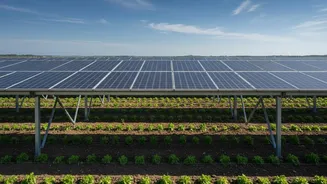
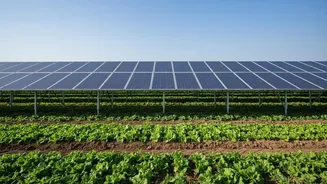
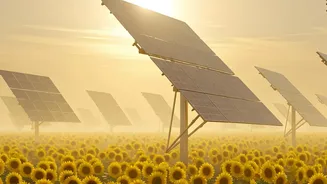
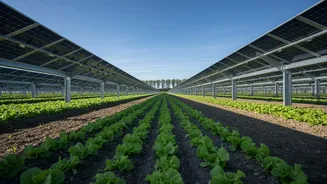
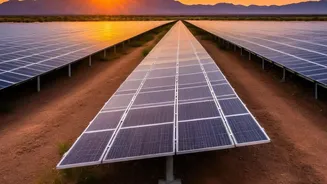
Imagine a farm where crops grow in the soil while, several feet above them, solar panels harvest the sun's energy. This is agrivoltaics, or Agri-PV, a system of dual land use that is gaining serious traction in India. For farmers, it promises two streams
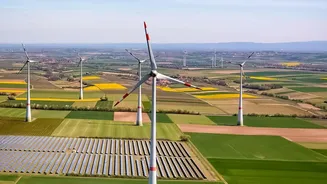
of income from the same plot of land: one from selling their agricultural produce and another from generating and selling solar power. This concept turns fields into power plants without displacing agriculture, addressing the critical land-use conflict between the food and energy sectors. It’s a compelling proposition in a country with ambitious renewable energy goals and a deep reliance on its agricultural backbone.
The Push for Power and Produce
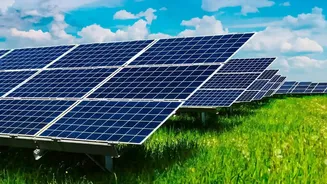
India's latest drive towards agrivoltaics is anchored by government initiatives like the Pradhan Mantri Kisan Urja Suraksha evam Utthaan Mahabhiyan (PM-KUSUM) scheme. This flagship program encourages farmers to install solar power plants on their land, including options for setting them up on stilts over cultivated fields. With components designed to support everything from small standalone solar pumps to megawatt-scale projects on fallow or cultivated land, PM-KUSUM is transforming farmers into energy producers. As India plans for an upgraded PM-KUSUM 2.0 framework, the focus on integrating solar generation directly into the agricultural landscape is set to intensify, making agrivoltaics a key part of the national strategy.
The Critical Question of Shade
While the idea of covering farms with solar panels sounds straightforward, the reality is far more complex. The central challenge, and the key to success, lies in managing shade. Simply installing as many panels as possible to maximize electricity generation (solar capacity) can create too much shadow, drastically reducing crop yields below. This defeats the purpose of a dual-use system. Research shows that the most successful agrivoltaic projects are not the ones with the highest power output, but those that find the optimal balance between sunlight for crops and sunlight for panels. The design, spacing, and height of the solar arrays must be carefully calibrated to the needs of the plants growing underneath.
Finding the Right Crop for the Canopy
The success of an agrivoltaic system is highly dependent on crop selection. Not all plants thrive in partial shade. Extensive research is underway to identify the most suitable crops for Indian agro-climatic zones. Studies have categorized plants based on their shade sensitivity. Shade-tolerant crops like leafy greens (spinach, lettuce), certain root vegetables (radishes, potatoes), and herbs (mint, basil) are excellent candidates. Other crops like fruits and certain vegetables may also benefit from the partial shade, which can protect them from harsh direct sunlight. However, shade-susceptible crops, such as maize, may see significant yield reductions. This makes crop-specific planning essential for any farmer considering this technology.
Beyond Energy: The Hidden Benefits
The benefits of a well-designed agrivoltaic system go beyond dual income. The shade provided by the panels reduces water evaporation from the soil, meaning crops may require less irrigation—a massive advantage in water-scarce regions of India. This microclimate effect can also protect plants from extreme heat and weather events like hailstorms. Furthermore, by providing farmers with a reliable, decentralized source of power, these systems reduce dependence on erratic grid electricity and costly diesel for irrigation pumps. This creates a more resilient and sustainable farming operation, strengthening rural economies and promoting climate-smart agriculture.