



The Superfood Power of Ragi
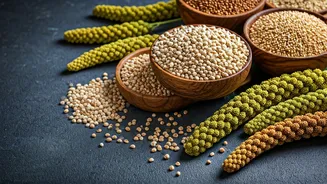
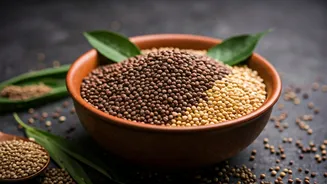
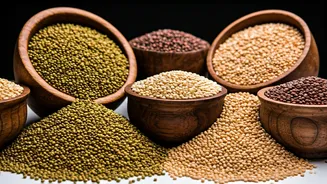
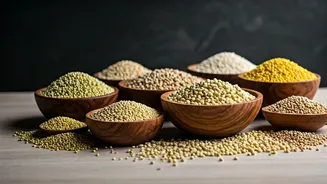
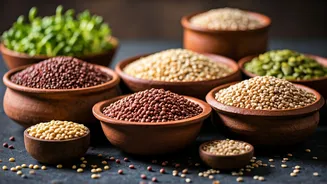
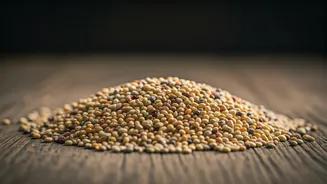
Ragi, also known as finger millet, has been a staple food in India for centuries, and for good reason. [4] This tiny, unassuming grain is a nutritional powerhouse. It is exceptionally rich in calcium, containing 5 to 30 times more than other cereals,
making it fantastic for bone health. [2] It’s also loaded with iron, protein, and dietary fibre. [5] The high fibre content aids in digestion, helps you feel full for longer, and supports weight management. [3] Furthermore, ragi is naturally gluten-free, making it an excellent choice for those with gluten sensitivities. [4] Its complex carbohydrates and phytochemicals help in slowing down digestion, which can assist in controlling blood sugar levels, making it a favourable ingredient for diabetics. [6]
Why Pudding Cups Are a Perfect Choice
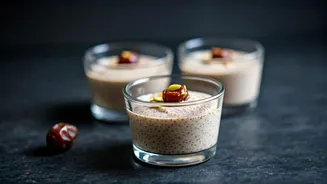
There's an inherent charm to single-serving desserts. Pudding cups offer perfect portion control, making it easy to enjoy a sweet treat without overindulging. They are simple to prepare, can be made ahead of time, and are easy for the whole family to grab and enjoy. This format turns a simple pudding into a convenient and elegant dessert, perfect for weeknight treats, packing in lunchboxes, or even serving to guests. The individual cups also allow for customised toppings, so everyone can personalise their own delightful dessert.
Achieving the Perfect Creamy Texture
The key to a luscious ragi pudding is achieving a smooth, creamy consistency without any lumps. The secret lies in the preparation. Always start by mixing the ragi flour with a small amount of cold water or milk to form a smooth paste before introducing it to more liquid or heat. [12, 19] This simple step prevents the flour from clumping together. Once you begin cooking, use a whisk and stir continuously over a low to medium flame. [14] Patience is crucial here; as you stir, the mixture will slowly thicken and develop a glossy sheen, indicating that the ragi is cooked through. [16] This process usually takes about 8 to 10 minutes. For an extra creamy texture, using full-fat milk or a blend of milk and coconut milk works wonderfully. [10]
The Art of Sugar-Free Sweetness
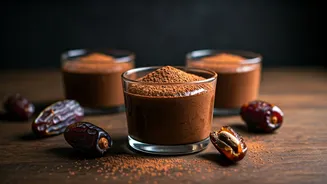
Creating a delicious pudding without refined sugar is easier than you think. Nature provides a wealth of options that add sweetness along with nutritional benefits. Medjool dates, soaked and blended into a paste, offer a rich, caramel-like flavour and a good dose of fibre. [17, 18] Mashed ripe bananas can also provide sweetness and a creamy texture. For a more traditional Indian touch, finely grated jaggery (gud) can be used; it's an unrefined sugar that contains minerals like iron. [7] Other options include plant-based sweeteners like stevia or monk fruit, which are zero-calorie and don't raise blood sugar levels, making them ideal for those monitoring their sugar intake. [11, 17] Each sweetener brings its own unique flavour profile, allowing you to experiment.
A Simple Recipe to Get You Started
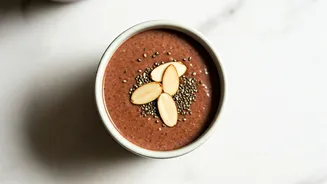
Here is a basic template for creating your own sugar-free ragi pudding. In a bowl, whisk 1/4 cup of ragi flour with 1/2 cup of milk (dairy or plant-based) until no lumps remain. In a saucepan, gently heat another 1.5 cups of milk. Once warm, slowly pour in the ragi mixture, whisking constantly. [12] Continue to cook on low heat, stirring until the pudding thickens, about 8-10 minutes. Remove from the heat and stir in your chosen sweetener. You can use 1/2 cup of date paste, 1 mashed ripe banana, or a few drops of stevia, adjusting to your taste. For a chocolate version, whisk in two tablespoons of unsweetened cocoa powder with the ragi flour at the beginning. [9] Pour the pudding into individual cups and let it cool before refrigerating for at least an hour to set.
Elevate Your Pudding with Toppings
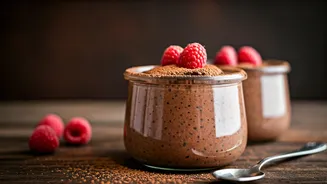
The final touch that takes these pudding cups from simple to spectacular is the toppings. A sprinkle of toasted nuts like almonds or pistachios adds a delightful crunch. [10] Fresh fruit, such as sliced bananas, pomegranate arils, or berries, brings a burst of freshness and natural sweetness. For a hint of aromatic spice, a pinch of cardamom or cinnamon powder mixed into the pudding or sprinkled on top works wonders. [15] You can also add a spoonful of toasted sesame seeds or a drizzle of melted dark chocolate for extra texture and flavour. These additions not only enhance the taste but also add more nutrients to your dessert.