



A Return to Timeless Wisdom
For generations, clay pots were the cornerstone of Indian kitchens, used for everything from storing water to simmering flavourful curries. While modern cookware offers convenience, it has often come at the cost of nutritional value and environmental
health. The revival of interest in earthenware is more than just nostalgia; it's a conscious choice to embrace a cooking method that is both gentle on the planet and beneficial for our bodies. These vessels, crafted from natural earth, connect us to a tradition of slow, mindful cooking that our ancestors perfected.
The Wellness Benefits of Cooking with Clay
One of the most significant advantages of earthenware lies in its interaction with food. Clay is naturally alkaline, which helps to neutralize the pH of acidic ingredients like tomatoes and curd. This can make meals gentler on the stomach and easier to digest, potentially reducing issues like acid reflux. Furthermore, the porous nature of clay pots allows for slow and even heat distribution. This gentle cooking process helps retain delicate, heat-sensitive nutrients like vitamins and minerals that can be destroyed by the high, direct heat of metal pans. The slow circulation of steam and moisture also means that less oil is required for cooking, supporting heart health and low-fat dietary goals.
An Unmatched Enhancement of Flavour
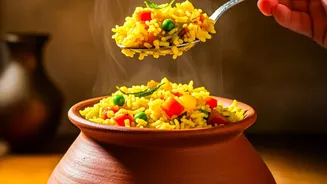
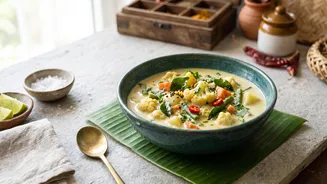
Anyone who has tasted dal or biryani cooked in a clay pot knows the unique, earthy aroma and depth of flavour it imparts. This isn't just a perception; it's a result of the pot's porous walls. They allow moisture and heat to circulate evenly, essentially letting the food breathe and cook in its own juices. This process keeps ingredients tender and succulent while allowing spices to penetrate deeply, creating a richer and more aromatic dish than what's achievable in metal or non-stick pans. The ability of clay to retain heat also means food stays warm long after it's been taken off the flame, perfect for serving family-style meals.
A Truly Sustainable Kitchen Choice
In an era of conscious consumerism, earthenware stands out as a genuinely eco-friendly option. Clay is a natural, abundant, and renewable resource. Unlike plastic or synthetic materials that persist in landfills for centuries, clay pots are completely biodegradable and return to the earth without releasing harmful chemicals. The production process for traditional, handmade pottery often has a lower carbon footprint compared to the energy-intensive manufacturing of metal and non-stick cookware. By choosing durable, long-lasting clay vessels, consumers can reduce waste and move away from a culture of disposable kitchen items.
Integrating Earthenware into the Modern Home
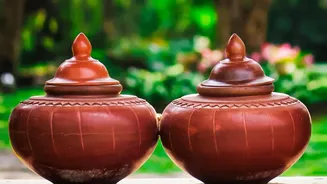
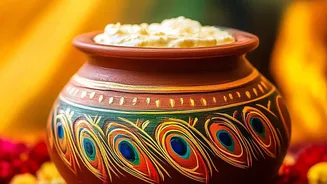
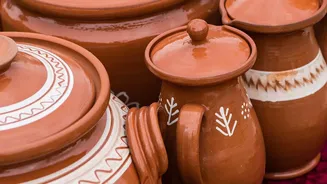
Adopting earthenware doesn't require a complete overhaul of your kitchen. Start small with a few key pieces. A clay 'matka' or pot for storing water is a great starting point, as it cools water naturally through evaporation and imparts a refreshing, earthy taste. A clay curd-setter provides the perfect environment for fermenting thick, delicious curd due to its consistent temperature retention. For cooking, a 'handi' is versatile enough for slow-cooking dals, curries, and vegetable preparations, bringing out the best in traditional Indian recipes. These heritage pieces are not relics of the past but functional, beautiful, and wise additions to any contemporary kitchen focused on wellness and sustainability.