







Why Humidity Wreaks Havoc on Your Skin
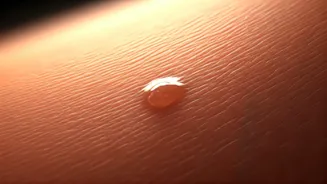
High humidity means there's a lot of moisture in the air. This environment triggers several responses from your skin. Firstly, your sebaceous glands go into overdrive, producing more sebum (oil). [15] Secondly, sweat doesn't evaporate as quickly from your skin's
surface. [6, 27] This combination of excess oil and sweat creates a sticky film that traps dirt, pollutants, and dead skin cells, leading to clogged pores. [2, 20] This warm, moist, and congested environment is an ideal breeding ground for the bacteria and fungi that cause acne and other infections. [7, 12, 17]
The Acne and 'Fungal Acne' Connection
For many, humidity leads to a spike in common acne (acne vulgaris), characterized by whiteheads, blackheads, and painful pimples. [4] The surge in oil production clogs pores, allowing acne-causing bacteria like *P. acnes* to thrive. [29] However, sometimes the issue isn't bacterial acne but a fungal one. A condition called Malassezia folliculitis, often dubbed 'fungal acne', is caused by an overgrowth of yeast that naturally lives on the skin. [20, 27] This condition thrives in hot, humid conditions and often appears as small, uniform, itchy bumps on the chest, back, and forehead. [27] It won't respond to traditional acne treatments, which is why correct identification is key. [20]
Other Common Humid-Weather Infections
Beyond acne, the dampness of monsoon or humid seasons encourages other skin infections. Folliculitis, an inflammation of the hair follicles, becomes more common due to trapped sweat and friction from clothing. [7, 19] This can result in tender red bumps, sometimes with a white head. [26] Fungal infections like ringworm and athlete's foot also flourish in these conditions, often appearing as red, itchy, and scaly patches in skin folds, between the toes, or in the groin area. [7, 21, 23]
Your Skincare Survival Guide
Managing your skin in high humidity is about controlling moisture and keeping pores clear. Start by cleansing your face twice a day, and especially after sweating, with a gentle cleanser. [5, 14] Look for products containing salicylic acid, a beta-hydroxy acid (BHA) that exfoliates inside the pores to remove oil and debris. [3, 8] Don't skip your moisturiser, as dehydrated skin can overcompensate by producing even more oil. [3] Opt for a lightweight, gel-based, and non-comedogenic (pore-clogging) formula. [14, 18] Lastly, sunscreen is non-negotiable. Choose an oil-free or mineral-based sunscreen to protect your skin without contributing to breakouts. [3, 4]
Smart Product Ingredients to Look For
When updating your routine for humid weather, certain ingredients are particularly effective. Niacinamide (a form of Vitamin B3) is a powerhouse ingredient that helps regulate oil production, reduce the appearance of pores, and calm irritation. [8, 24] For tackling breakouts and clogged pores, retinoids can be very effective, but they can increase sun sensitivity, so use them at night and be diligent with SPF. [16] Ingredients like hyaluronic acid and glycerin are excellent for providing lightweight hydration without feeling heavy or greasy. [9, 10]
Lifestyle Tweaks for Clearer Skin
Your daily habits can make a big difference. Wear loose-fitting clothes made from breathable fabrics like cotton to reduce trapped sweat and friction, which can help prevent body acne and folliculitis. [3, 22] Change out of sweaty workout clothes or wet swimsuits immediately. [4, 5] Try to avoid touching your face, as your hands can transfer oil and bacteria. [2] Regularly changing your pillowcases and bedsheets is also a good habit, as they can accumulate sweat, oil, and bacteria. [3]