





Fresh, aromatic coriander, or dhaniya, is a staple in Indian kitchens. Imagine having a fresh supply year-round, grown right in your home without any soil. This is possible with hydroponics, and the secret lies in the water itself.
The Soilless Advantage
Growing plants without
soil, known as hydroponics, offers several compelling benefits for the home gardener. This method provides nutrients directly to the plant's roots through water. As a result, plants often grow faster—some estimates suggest 30% to 50% quicker than in soil—because they don't have to expend energy developing extensive root systems to search for food. This controlled environment also means you can say goodbye to soil-borne pests, diseases, and the tedious task of weeding. Furthermore, hydroponic systems are incredibly water-efficient, using up to 90% less water than traditional soil gardening because the water is recirculated instead of draining away. For urban dwellers, it's a space-saving solution that makes it possible to grow fresh herbs like coriander in a small apartment or on a balcony, regardless of the season.
Understanding Hydroponic Systems for Herbs
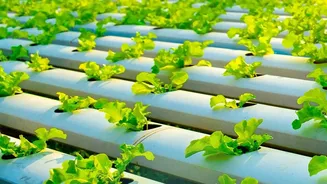
While there are several types of hydroponic setups, a few are particularly well-suited for growing coriander at home. The Deep Water Culture (DWC) system is a great starting point. In a DWC setup, the plant's roots are suspended in a reservoir of oxygenated, nutrient-rich water. Another simple and effective option is the Kratky method, a passive system that doesn't require any pumps or electricity. For those looking to have a continuous supply, the Nutrient Film Technique (NFT) is a popular choice, where a thin film of nutrient solution flows over the ends of the roots. Each system has its merits, but all share a common principle: delivering a precise diet directly to the plant.
The Heart of the System: Your Nutrient Solution
In traditional gardening, soil acts as a buffet of minerals for plants. In hydroponics, that buffet is replaced entirely by the nutrient solution. This liquid feed must contain all 13 essential mineral elements a plant needs to thrive, which are broadly divided into macronutrients and micronutrients. For a leafy herb like coriander, the most important macronutrients are Nitrogen (N), Phosphorus (P), and Potassium (K). Nitrogen is especially crucial as it fuels lush, leafy growth. The solution must also contain secondary macronutrients like Calcium, Magnesium, and Sulfur, along with a host of trace micronutrients like iron and zinc. Without a complete and balanced mix, your plants will show signs of deficiency and fail to grow properly.
Getting the Nutrient Mix Right
For beginners, the easiest way to ensure a balanced diet for your coriander is to use a preformulated, two part commercial hydroponic nutrient, often labelled 'A' and 'B'. These are designed to be mixed into water separately to prevent essential minerals from reacting and becoming unavailable to the plants. Look for a formula designed for leafy greens, which will have a higher nitrogen ratio. As you become more experienced, you can explore mixing your own nutrients from raw salts, but a good quality commercial mix is a reliable way to start. Remember that young seedlings require a weaker solution, typically half the strength recommended for mature plants, to avoid 'nutrient burn' on their delicate roots. The goal is to provide everything the plant needs for vigorous, healthy growth.
Essential Monitoring for Success
Mixing the nutrients is just the first step; maintaining the solution is critical. Two key measurements you'll need to monitor are pH and Electrical Conductivity (EC). The pH level determines how well the plant can absorb nutrients. For hydroponic coriander, the ideal pH range is between 5.5 and 6.5. If the pH is too high or too low, certain nutrients get 'locked out', and the plant can't access them even if they are present in the water. EC measures the total concentration of nutrients (or salts) in your solution. For coriander, the target EC is generally between 1.2 and 1.8 mS/cm. Seedlings prefer the lower end of this range, while mature plants can handle a slightly stronger solution. Regularly checking and adjusting these levels with pH testing kits and an EC meter will ensure your coriander is always perfectly fed.
Managing Your System and Common Issues
One of the biggest challenges when growing coriander is its tendency to 'bolt'—prematurely flowering, which makes the leaves bitter. This is usually triggered by heat stress. Keeping the air and water temperature cool, ideally between 18°C and 24°C, is crucial to prolonging the leafy, vegetative stage. Ensure good air circulation and don't place your system in direct, intense heat. Also, be mindful of root rot, which can occur if the water is too warm or not sufficiently oxygenated. A simple air stone connected to an aquarium pump can solve this in a DWC system. Finally, harvest your coriander regularly by snipping the outer leaves, which encourages bushier growth and can also help delay bolting.