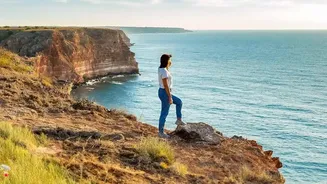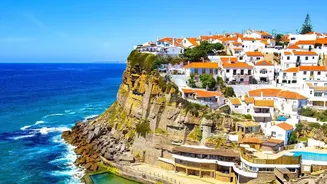

The Algarve’s coastline is a spectacle of golden cliffs and turquoise water. Capturing its dramatic beauty is a rewarding goal for any visitor, and on calm days, the photographic opportunities are truly exceptional. Here’s how to plan for them.
Why Calm Days Are a Photographer’s Dream
The 'calm'
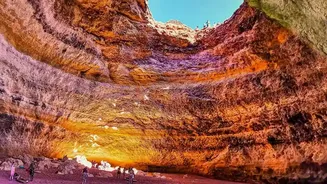
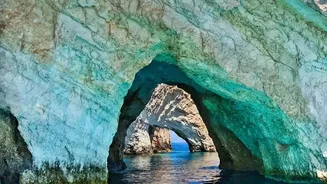
in the Algarve refers to days with minimal wind and gentle seas. These conditions are a gift to photographers for several reasons. Firstly, tranquil water creates glassy surfaces, perfect for capturing mirror-like reflections of the golden cliffs and blue sky, adding a layer of symmetry and serenity to your compositions. Secondly, accessing the region's famous sea caves and grottoes by boat or kayak is safer and more pleasant when the Atlantic swell is low. Calm conditions allow boat operators to navigate closer to the rock formations and even glide inside caves like Benagil, offering unique perspectives that are impossible on rougher days. The serene atmosphere also translates into the mood of your photographs, creating images that feel peaceful and immersive.
Iconic Locations for Your Shot List
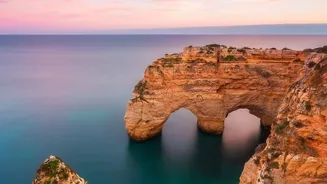
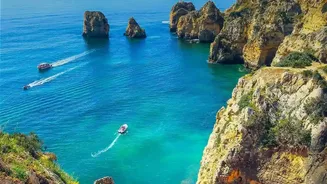
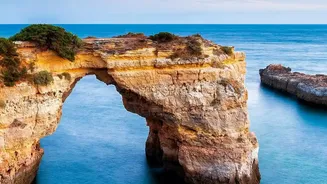
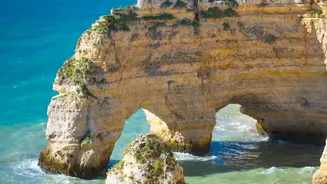
The Algarve coastline is dotted with world-class photo locations. Ponta da Piedade, near Lagos, is arguably the most famous. Its dramatic sea stacks, natural arches, and hidden grottoes offer endless compositions. For the best light, visit at sunrise when the cliffs glow and the crowds are thin. Another must-see is Praia da Marinha, frequently listed among Europe's most beautiful beaches. Its iconic double-arch rock formation, often called the 'M rock', is best photographed from the clifftop trail above. From a specific angle on the cliffs, this formation and an adjacent one align to form the shape of a heart. For the famous Benagil Cave, timing is everything. To truly capture its magic, with sunlight streaming through the circular opening in its roof, you'll want to visit between roughly 10 a.m. and 1 p.m. Note that visitors are not permitted to land on the beach inside, so all photos must be taken from a boat or, for a better angle, a kayak.
Mastering the Algarve's Golden Light
Beyond location, light is the most crucial element in photography. The 'golden hours'—the first hour after sunrise and the last hour before sunset—are magical in the Algarve. During these times, the sun is low in the sky, casting a soft, warm light that makes the ochre and red cliffs glow intensely. Shadows are longer and softer, adding depth and dimension to the landscape. Sunsets at Cape St. Vincent, the southwesternmost point of mainland Europe, are particularly spectacular as the sun sinks directly into the Atlantic. Don't pack up your camera right after the sun disappears. The 'blue hour' that follows offers a cooler, more ethereal palette of blues and purples, providing a different but equally stunning mood for your seascapes.
Essential Gear for Coastal Shots
While any camera can capture memories, a few key pieces of gear will elevate your coastal photography. A sturdy tripod is essential, especially for shooting in the low light of sunrise and sunset. It also allows you to use Neutral Density (ND) filters for long exposures, which can smooth the water into a silky, mystical surface and capture the movement of clouds. A polarising filter is also highly recommended to reduce glare from the water's surface and deepen the blue of the sky. In terms of lenses, a wide-angle (like a 16-35mm) is perfect for capturing the vast landscapes and dramatic cliff lines, while a telephoto lens (such as a 100-400mm) helps isolate distant details like rock formations or even surfers. Finally, always bring a lens cloth and protect your gear from sand and salt spray, which can be corrosive.
Finding Your Unique Perspective
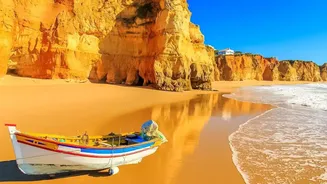
While the iconic spots are popular for a reason, the Algarve rewards exploration. Walk the coastal trails, such as the Seven Hanging Valleys Trail, which connects Praia da Marinha to Praia de Vale Centeanes. This path offers countless viewpoints looking down on hidden coves and dramatic sinkholes. Look for compositions beyond the grand vista. Focus on the textures of the limestone cliffs, the patterns of waves on the sand, or the colourful fishing boats in villages like Ferragudo. Some of the most compelling images come from finding a unique angle on a familiar scene or capturing an intimate detail that tells a larger story about the place. By combining visits to famous landmarks with a spirit of personal discovery, your photographic itinerary will yield a collection of images that are both stunning and uniquely yours.