





The Tale of Two Processes
At the heart of the matter are two vastly different extraction methods: traditional cold-pressing and modern industrial refining. You might know cold-pressing by its traditional Indian name, ‘kachi ghani’. This method involves mechanically crushing oilseeds
like mustard or groundnuts at very low temperatures, typically below 50°C. Because it avoids high heat and chemical solvents, the oil that is extracted is pure, aromatic, and full of its original nutrients. On the other hand, refining is an industrial process designed for mass production. It uses high heat, often exceeding 200°C, and chemical solvents like hexane to extract the maximum amount of oil. Afterwards, the oil is bleached and deodorized to create a neutral, shelf-stable product. While efficient, this harsh process strips the oil of its natural character and, crucially, its most beneficial compounds.
What's Lost in the Heat?
The high temperatures and chemical treatments of refining are devastating for delicate micronutrients. The most significant loss is in antioxidants—the protective compounds that fight cellular damage in our bodies. Refined oils can lose a substantial portion of their vitamin E (tocopherols), polyphenols, and carotenoids. One study noted that the refining process can destroy over 90% of an oil's vitamin E content. For mustard oil, this means losing compounds that contribute to its well-known anti-inflammatory and immune-boosting properties. For groundnut oil, the loss includes not just vitamin E but also resveratrol, a powerful antioxidant linked to heart and brain health.
The Antioxidant Power of Cold-Pressed Mustard Oil
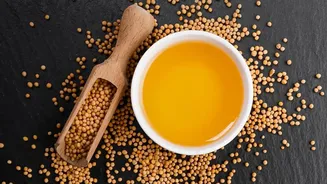
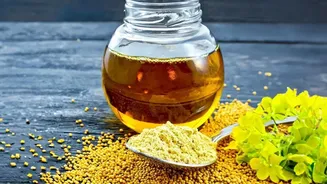
Cold-pressed mustard oil retains a potent blend of antioxidants that are otherwise destroyed by heat. It's a rich source of vitamin E and beneficial fatty acids, including a healthy balance of omega-3 and omega-6. These compounds work together to combat inflammation, support cardiovascular health by helping to manage cholesterol levels, and bolster the immune system. The oil’s characteristic pungency comes from a compound called allyl isothiocyanate, which has natural antimicrobial properties that help protect the body from certain infections. By choosing cold-pressed, you are getting the full spectrum of these protective benefits, just as nature intended.
The Hidden Benefits in Cold-Pressed Groundnut Oil
Cold-pressed groundnut oil offers its own unique antioxidant profile. Beyond being a good source of vitamin E, it contains a special polyphenol called resveratrol. Resveratrol is a celebrated antioxidant that helps protect the body against oxidative stress from free radicals, which are unstable molecules linked to chronic diseases. Studies suggest resveratrol has significant anti-inflammatory effects and plays a role in protecting cardiovascular health, partly by helping to maintain healthy blood pressure. When groundnut oil is refined, much of this valuable compound is lost. Opting for the cold-pressed version ensures you get more of these natural protective benefits in every spoonful.
Making the Healthier Choice
Switching to cold-pressed oils is a simple step towards a more nutrient-dense diet. When shopping, look for labels that explicitly state "cold-pressed," "kachi ghani," or "wood-pressed." These oils will have a more vibrant colour and a distinct, natural aroma compared to the pale, odourless refined versions. While they often have a lower smoke point than refined oils, cold-pressed mustard and groundnut oil are still versatile enough for everyday Indian cooking, from tadkas to light sautéing. Their rich, authentic flavour can also elevate the taste of your dishes. Though they may cost a bit more, the preserved nutritional value makes them a worthwhile investment in your health.