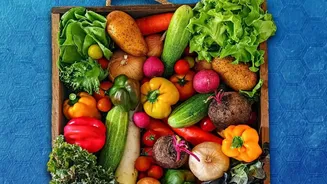








The Chilling Problem of Food Waste
India is one of the world's largest food producers, yet it faces a staggering problem of post-harvest loss. According to the Food and Agriculture Organization (FAO), a significant amount of the country's produce is wasted, with estimates for fruits and vegetables
ranging from 30% to 40%. This translates into an annual loss worth thousands of crores, a major blow to farmers' incomes and a paradox in a nation still battling hunger. A primary culprit for this wastage is the lack of a continuous, efficient, and standardised cold chain—the system of refrigerated storage and transport that preserves perishable goods from the farm to the consumer. Breaks in this chain, from inadequate pre-cooling facilities at the farm gate to poor temperature management during transit, cause spoilage and reduce the shelf life of everything from produce and dairy to meat and pharmaceuticals.
What New Oversight Could Entail
In response, government bodies are signalling a move towards more stringent oversight. While a single, comprehensive reform package is still emerging, recent actions from agencies like the Food Safety and Standards Authority of India (FSSAI) and the Ministry of Food Processing Industries (MoFPI) point to a multi-pronged approach. This includes tightening standards for contaminants and residues, which indirectly pressures the supply chain to maintain quality from the start. More directly, there is a push for mandatory registration and stricter compliance for cold storage facilities, potentially linking them to government subsidy schemes like the Pradhan Mantri Kisan Sampada Yojana (PMKSY). The focus appears to be on standardisation—ensuring that a 'cold' facility in one part of the country meets the same technical and safety specifications as another, a problem in the currently fragmented sector. This push includes updated safety codes and a move towards more environmentally friendly refrigerants.
Impact on Farmers and Businesses
For businesses, tighter regulations present both a challenge and an opportunity. The immediate impact will be on operational costs. Upgrading facilities, implementing real-time temperature monitoring, and investing in better-refrigerated transport will require significant capital. Many small and medium-sized operators may struggle to meet these new standards without financial support. However, the long-term benefits could be substantial. A more reliable cold chain reduces spoilage, which is a direct financial loss. It also enables businesses to serve a wider market, including lucrative export opportunities where strict quality and traceability standards are a prerequisite. For farmers, a more efficient cold chain could mean better prices and less pressure to engage in distress sales to avoid spoilage. Access to reliable cold storage at or near the farm gate is crucial for them to get fair value for their produce.
The Road to a Modern Supply Chain
While government support through subsidies for cold storage projects exists, the core challenge lies in creating an integrated network rather than just isolated facilities. The industry still suffers from an uneven distribution of infrastructure, with capacity concentrated in some areas while vast production belts lack adequate support. Technology is seen as a key enabler. IoT-enabled sensors for real-time temperature tracking, blockchain for traceability, and advanced analytics for route optimisation are no longer niche ideas but essential tools for a modern cold chain. The government's push for digitisation and risk-based inspections aligns with this technological shift, encouraging operators to invest in systems that not only ensure compliance but also improve efficiency. The reforms are not just about food; the pharmaceutical sector, a major user of the cold chain for vaccines and biologics, is also facing a similar regulatory overhaul to ensure product efficacy.