






The Journey Home and Hardware Teardown
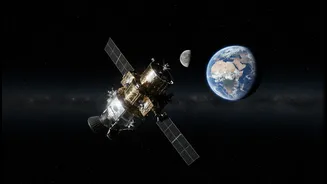
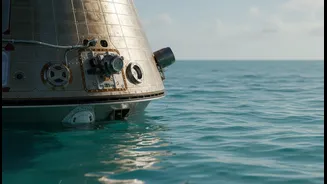
After a nearly 10-day, 700,000-mile journey around the Moon, the Orion spacecraft, named 'Integrity' by its crew, splashed down in the Pacific Ocean. The recovery was just the first step in a long and detailed inspection process. Once aboard the USS John
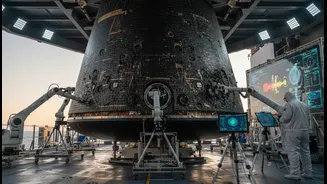
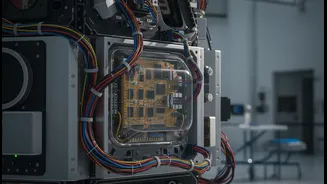
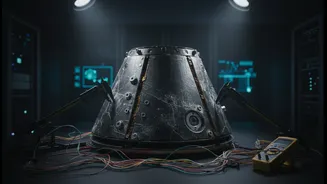
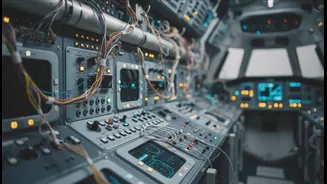
P. Murtha, technicians immediately began examining the capsule. The spacecraft was then transported to NASA's Kennedy Space Center for a full teardown. This isn't just a routine check-up; it's a comprehensive forensic analysis. Engineers will remove and inspect reusable components like avionics and seats, along with items used by the crew, to assess their performance and condition after a deep space flight. Every switch, seal, and structural component is scrutinized to understand how it held up to the harsh environment beyond low Earth orbit.
The All-Important Heat Shield
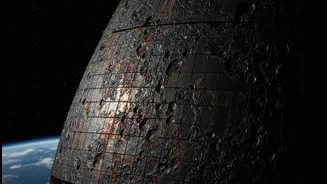
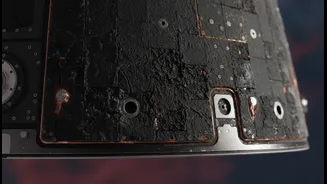
A major focus of the post-flight inspection is Orion's 16.5-foot-wide heat shield. During reentry, the capsule slammed into the atmosphere at nearly 24,000 mph, with temperatures reaching around 5,000 degrees Fahrenheit. The uncrewed Artemis I mission in late 2022 had revealed unexpected erosion and charring on over 100 locations of its heat shield, a serious concern that could pose a risk to crew safety. For Artemis II, NASA modified the reentry trajectory to mitigate these issues. Initial inspections after splashdown showed that this change was successful, with the char loss seen on Artemis I being significantly reduced. However, engineers are now conducting a much more detailed examination, analyzing airborne imagery taken during reentry and physically inspecting the shield to fully validate its performance before clearing a similar design for future crewed missions.
A Deep Dive into the Data
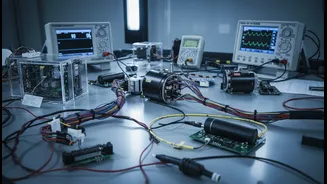
Artemis II was fundamentally a test flight, designed to validate that Orion’s systems could support astronauts in deep space. The mission generated a torrent of data that teams are now sifting through. This includes critical performance metrics from the life support systems, which are responsible for providing breathable air and managing the cabin environment for the crew—a full suite of which was being tested for the first time. They are also analyzing navigation and communication system data, as well as the performance of the Space Launch System (SLS) rocket that propelled Orion into orbit. Even minor issues, like a small helium leak in the service module, provide invaluable data for engineers to refine and improve the spacecraft for the much more complex missions to come.
Understanding the Human Element
Beyond the hardware, Artemis II was an irreplaceable opportunity to study how the human body reacts to deep space. For the first time since the Apollo era, researchers collected data on astronauts exposed to the higher radiation environment and isolation beyond Earth's protective magnetic field. The crew of four provided regular biological samples—blood, urine, and saliva—before, during, and after the flight. These samples are being analyzed to track everything from immune system changes and nutritional status to whether dormant viruses reactivate in space. Wearable sensors monitored sleep patterns and stress levels, while cognitive tests assessed performance. This human health data is crucial for developing countermeasures and planning for long-duration missions to the Moon and, eventually, Mars.
Informing the Next Giant Leap
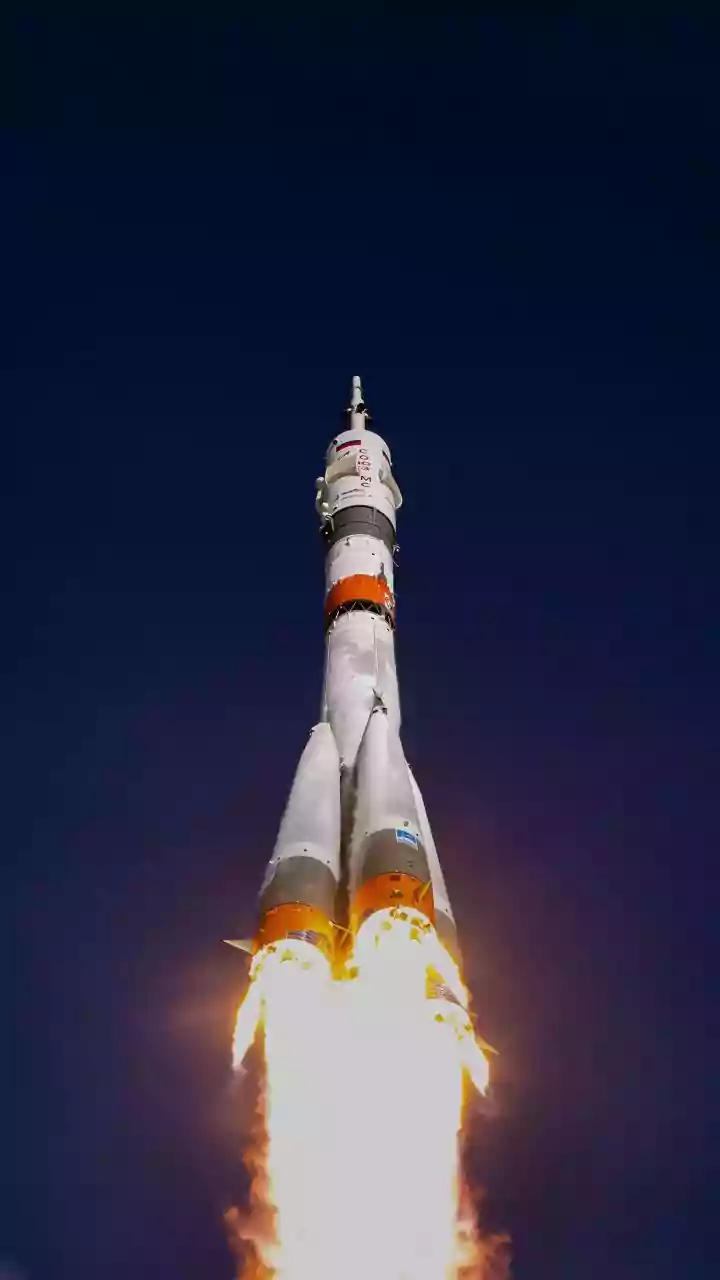
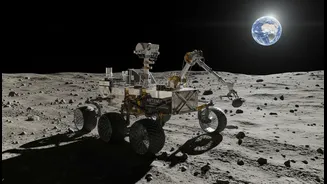
Every piece of data and hardware analysis from Artemis II feeds directly into preparations for Artemis III and IV. The findings will validate models, confirm engineering solutions, and reveal any necessary modifications before NASA attempts a crewed lunar landing. For example, understanding how the heat shield performed will confirm the safety of the reentry plan, while data from the life support systems will ensure they can reliably sustain a crew for longer durations on the lunar surface. The geological observations made by the crew of lunar features will help scientists refine targets for future surface missions. This meticulous post-flight process ensures that when the next astronauts step out onto the Moon, they are doing so in a vehicle that has been tested and proven to be as safe and reliable as possible.