



The Boom in Tier 2 Cities
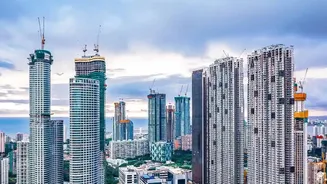
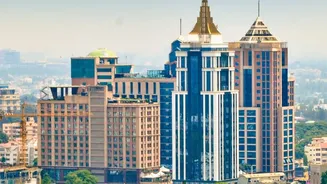
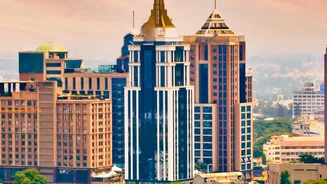
India is in the midst of a massive urban shift. As megacities like Mumbai and Delhi reach saturation, the real story of growth is unfolding in Tier 2 cities such as Pune, Lucknow, Jaipur, and Visakhapatnam. These urban centres are the new engines of economic
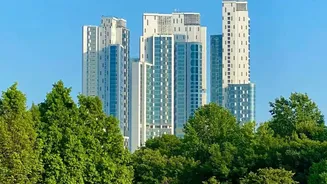
development, attracting investment, industry, and a wave of new residents seeking opportunity. This rapid, often unplanned, expansion involves transforming natural landscapes—green fields, water bodies, and open soil—into a dense matrix of roads, buildings, and commercial complexes. While this growth signals progress, it comes with an invisible environmental cost that is fundamentally reshaping local climates.
Creating an Urban Heat Island
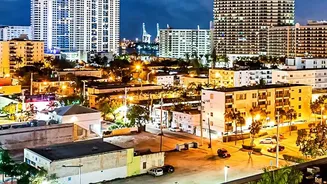
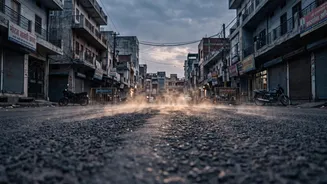
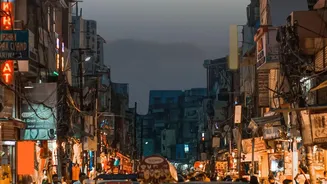
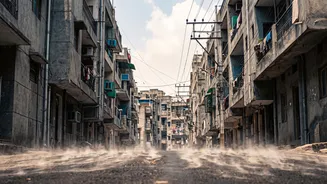
This transformation of the landscape gives rise to a phenomenon known as the 'urban heat island' effect. Materials like concrete, asphalt, and metal absorb and retain significantly more solar radiation than natural surfaces. During the day, our cities bake in the sun. At night, when rural areas cool down by releasing this heat back into the atmosphere, urban areas do the opposite. The stored heat radiates from buildings and pavements, creating a 'microclimate' that keeps the city several degrees warmer than its surrounding countryside. This effect is often more pronounced in rapidly developing Tier 2 cities where green spaces are quickly disappearing to make way for new construction.
The Science of Sleep and Heat
This persistent, radiating heat has a profound and direct impact on our ability to get restorative sleep. To initiate and maintain sleep, our core body temperature needs to drop slightly. This temperature dip is a crucial biological signal for the brain to transition into the deeper, more restorative stages of sleep, namely slow-wave sleep (SWS) and Rapid Eye Movement (REM) sleep. When the ambient temperature of your bedroom remains high, your body struggles to shed this heat, making it difficult to cool down. The result is delayed sleep onset, more frequent awakenings throughout the night, and significantly less time spent in those critical deep sleep stages.
Why Deep Sleep Matters
Losing out on deep sleep is not a minor inconvenience; it's a serious health concern. SWS and REM sleep are when your body and brain perform essential maintenance. This includes repairing tissues, consolidating memories, regulating metabolism, and strengthening the immune system. When heat consistently fragments your sleep architecture, you wake up feeling unrefreshed, groggy, and fatigued, even after spending eight hours in bed. Over the long term, this chronic sleep disruption is linked to an increased risk of serious health issues, including cardiovascular disease, diabetes, and mental health disorders.
Building a Cooler Future
The connection between urban planning and public health is undeniable. As India’s Tier 2 cities continue to grow, there is a critical opportunity to build them differently. The good news is that solutions exist and are being implemented in some areas. Strategies like increasing urban green cover by planting trees and developing parks help provide shade and cooling through evapotranspiration. Restoring water bodies like lakes and ponds also helps moderate local microclimates. On a building level, implementing 'cool roofs'—using reflective paints or materials—can lower indoor temperatures significantly. By integrating this blue-green infrastructure into urban planning, cities can mitigate the heat island effect and create healthier, more liveable environments for residents.