







The Weight of Going Green Alone
Many of us have been there. You diligently segregate your waste, carry your own cloth bags, and refuse plastic straws, yet the mountains of garbage outside seem to grow. This feeling—a mix of anxiety, guilt, and helplessness about the environment—is often
called 'eco-anxiety'. When we try to tackle this global problem as isolated individuals, the burden can feel immense and our efforts, insignificant. This often leads to burnout, where the initial enthusiasm for sustainable living fades under the weight of perceived futility. The truth is, individual actions are vital, but they were never meant to be carried out in a vacuum. The journey towards a greener lifestyle becomes unsustainable itself when it’s a lonely one. True, lasting change requires a shift in perspective: from 'me' to 'we'.
Why Community Action Works
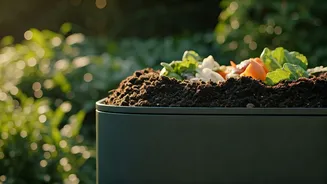
When we team up with our neighbours, Resident Welfare Association (RWA), or local groups, the dynamic changes completely. A shared goal creates momentum that individual efforts can't match. Firstly, it amplifies impact. One household composting is good; an entire apartment building composting diverts tonnes of waste from landfills. Secondly, it creates a support system. Confused about which plastic is recyclable? Ask the WhatsApp group. Need help setting up a rainwater harvesting system? Someone in the community might have the expertise. This shared knowledge and encouragement make the process less daunting. Social motivation is another powerful driver. When you see your neighbours participating in a clean-up drive or a tree-planting event, you’re more likely to join in. It transforms a personal chore into a shared, positive community activity.
Inspiration From Our Own Backyards
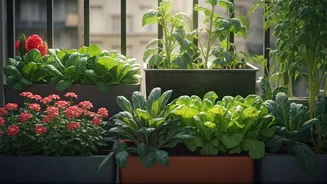
Across India, communities are already proving this model works. In several Bengaluru housing societies, residents have collaborated to create comprehensive waste management systems, turning their organic waste into valuable compost for community gardens. They didn’t wait for municipal perfection; they built their own solution. In Mumbai, citizen-led groups have adopted stretches of beaches like Versova and Dadar, organising weekend clean-ups that have removed thousands of kilograms of plastic and debris, transforming public spaces. In many Delhi neighbourhoods, residents have reclaimed neglected parks and barren public lands, planting native trees and creating green lungs for their localities. These aren’t stories of superheroes; they are examples of ordinary people achieving extraordinary things by deciding to work together on a problem that affects them all.
Starting Small, Starting Together
The idea of mobilising your entire neighbourhood might sound intimidating, but it always starts with a single, simple step. Begin by identifying a common, visible problem. Is it the overflowing garbage bin at the end of the street? The rampant use of single-use plastic by local vendors? Once you have a focus, find a few like-minded neighbours. A conversation in the lift or a message on a society chat group is all it takes to find your initial allies. Propose one small, achievable project. Don't start with a plan to make the entire neighbourhood zero-waste overnight. Instead, suggest a weekend plogging (picking up litter while jogging) session, or a workshop on how to make bio-enzymes from kitchen scraps. The goal is to secure an easy win that builds confidence and shows everyone that collective action gets results.
From a Project to a Habit
Once you have that first success, the key is to maintain momentum. Communication is crucial. Share photos of the clean-up. Put up a chart in the lobby showing how much waste has been composted. Celebrating these small victories keeps everyone engaged and motivated. From there, you can slowly introduce new, slightly more ambitious goals. Maybe the plogging group can evolve into a gardening club. Perhaps the success of a waste segregation drive can lead to a community-wide ban on thermocol plates for events. The most successful community initiatives are not rigid; they evolve with the interest and capacity of the residents. The aim isn't to create a perfect, eco-conscious society overnight but to foster a culture where thinking and acting green together becomes the new normal.