

The Contenders: A Quick Introduction
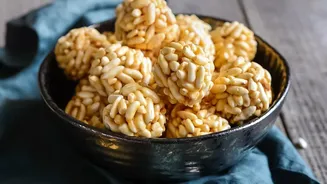
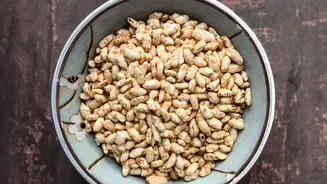
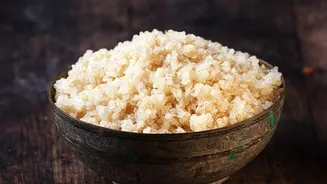
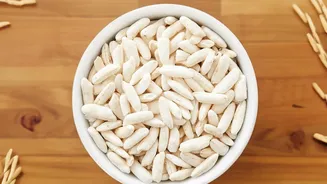
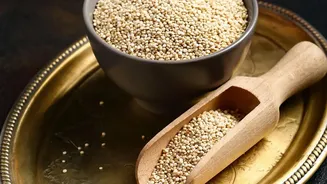
Puffed rice, known affectionately in India as 'murmura', is a familiar, lightweight snack made from rice kernels. It's a staple in countless households, forming the base of bhel puri and other popular chaats. Quinoa puffs, on the other hand, are a newer
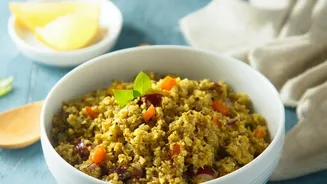
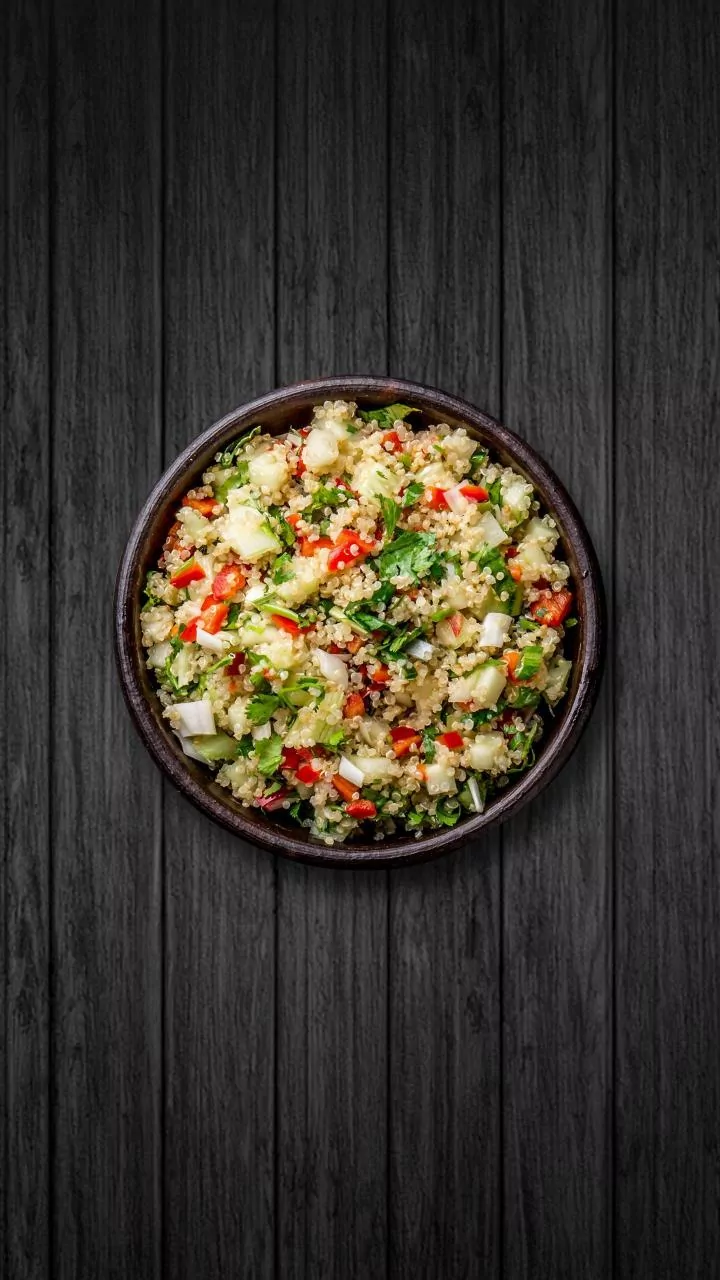
entrant in the health food scene. They are made from quinoa, a seed often mistaken for a grain, which is celebrated for its impressive nutritional credentials. While both are created by causing the grain or seed to expand, their fundamental ingredients and resulting health profiles are quite different.
The Nutritional Showdown
This is where the two snacks really diverge. Quinoa puffs are a nutritional powerhouse compared to puffed rice. Quinoa is a complete protein, meaning it contains all nine essential amino acids, which is rare for a plant-based food. A serving of quinoa puffs offers significantly more protein and dietary fiber than the same amount of puffed rice. For instance, some comparisons show quinoa providing up to four times more protein and fourteen times more fiber. Puffed rice, especially if made from white rice, is primarily a source of simple carbohydrates and calories, offering very little in terms of protein, fiber, or essential minerals. Quinoa puffs also have higher levels of important minerals like iron and magnesium.
The Whole-Grain Question
A 'whole grain' contains all three parts of the kernel: the bran, the germ, and the endosperm. Quinoa, technically a pseudocereal or seed, is naturally a whole food. So, puffs made from whole quinoa retain this status. The story with puffed rice is more complex. If it's made from brown rice, it is a whole grain because brown rice keeps the bran and germ intact. However, most common puffed rice is made from white rice, which has had its bran and germ removed, meaning it is not a whole grain and lacks the associated fiber and nutrients. Always check the packaging to see if you're getting puffed brown rice to ensure you are getting a whole-grain product.
How Are They Made? The Puffing Process
The puffing process for both involves applying heat and pressure to make the kernels or seeds expand. Commercial methods often use high-pressure steam to puff the grains uniformly. While this creates the light, airy texture we love, the high heat can impact nutritional value. Another common method, especially for traditional puffed rice, involves hot salt or sand frying, where parboiled rice is tossed in pre-heated salt until it pops. Quinoa can be puffed in a dry pan at home, much like popcorn, or through commercial pressure methods. Some processes may even involve deep-frying, which can add unnecessary fats and calories, so it's wise to read labels carefully.
Blood Sugar and Glycemic Index
The glycemic index (GI) measures how quickly a food raises blood sugar levels. Due to its higher protein and fiber content, quinoa has a relatively low GI, typically around 53. This means it provides a more sustained release of energy. The protein and fiber act as a buffer, slowing down the digestion of carbohydrates. Puffed rice, especially from white rice, has a much higher GI. The puffing process makes its starch highly digestible, leading to a faster spike in blood sugar. This makes quinoa puffs a better option for those managing blood sugar levels or looking for a snack that provides lasting fullness.
The Verdict: Which Puff is for You?
Choosing between quinoa puffs and puffed rice depends entirely on your health goals. If you are looking for a nutrient-dense snack that is high in protein, fiber, and essential minerals, quinoa puffs are the clear winner. They are excellent for post-workout recovery, adding to yogurt or salads for a protein boost, or for anyone wanting a more filling and nutritionally complete snack. Puffed rice, especially made from brown rice, serves a different purpose. It is a low-calorie, low-fat filler that provides crunch and volume to snacks without adding significant density. It's perfect for light, airy snacks like bhel puri or as a low-calorie breakfast cereal, but it shouldn't be relied upon for its nutritional content.