




Rediscovering What Was Always There
For generations, the Indian beverage landscape has been dominated by two mainstays: milky, sweet chai and, more recently, urban-centric filter coffee. While comforting and culturally ingrained, this narrow focus has overshadowed a richer, more diverse
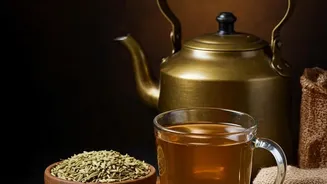
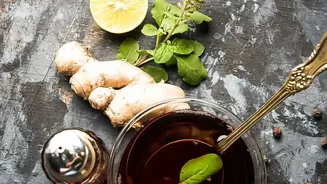
tradition of regional drinks. Long before the British popularised black tea with milk, Indian households relied on 'kadhas' and herbal infusions for both wellness and refreshment. These brews, often linked to Ayurveda, were made from local herbs, spices, and flowers, and were almost always prepared without milk. Now, driven by a growing, global interest in holistic health and authentic products, consumers are starting to look past the familiar and rediscover these forgotten gems. This isn't about a fleeting trend; it's a reconnection with a deeply rooted philosophy of food as medicine.
The Treasures of the Foothills
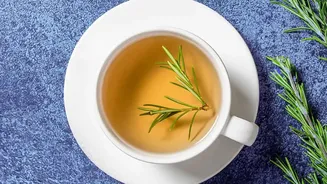
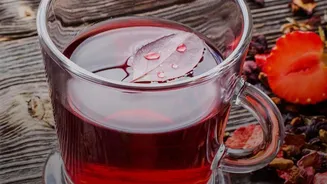
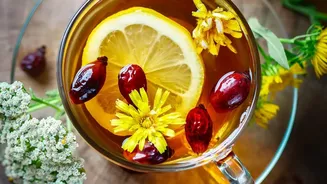
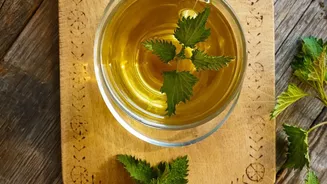
The term 'foothill brews' often refers to tisanes made from botanicals grown in the pristine, high-altitude regions of the Himalayas. These are not teas in the traditional sense, as they don't contain leaves from the Camellia sinensis plant. Instead, they are naturally caffeine-free infusions of flowers, leaves, berries, and roots that thrive in harsh mountain conditions. Among the most celebrated are Buransh (Rhododendron) tea, known for its vibrant red flowers and heart-health benefits, and Sea Buckthorn tea, a berry-based brew packed with Vitamin C and rare Omega-7 fatty acids. Other notable ingredients include Himalayan nettle, wild basil (ban tulsi), and mullein leaf, each with a long history of use in local folk medicine for everything from boosting immunity to aiding digestion. These plants develop a high concentration of protective compounds to survive, which translates into potent wellness benefits when brewed.
From Local Ritual to Modern Wellness
The shift back toward these herbal brews is being driven by several factors. The COVID-19 pandemic significantly increased consumer anxiety around caffeine intake and spurred a search for immunity-boosting alternatives. Questions like 'Which tea can help me sleep better?' became common, leading people towards calming, caffeine-free options like chamomile and lavender. This aligns with a broader wellness movement that favours natural, functional ingredients over processed ones. Modern consumers are more informed, reading labels and seeking products with clear health benefits and transparent sourcing. Herbal infusions, with their links to Ayurvedic principles of balancing the body, fit perfectly into this new paradigm of conscious consumption. They offer tangible benefits—from stress relief and detoxification to better sleep and respiratory health—without the side effects of overstimulation.
The Brands Leading the Revival
This renewed interest has been met by a new wave of Indian brands dedicated to reviving and re-popularising these traditional brews. Companies are focusing on sourcing high-quality, whole herbs directly from mountain communities, ensuring both authenticity and sustainability. Brands like Pahari Haat, based in Uttarakhand, work with women-led farming groups to wild-harvest rare botanicals like rhododendron and nettle. Other companies such as Dharmsala Tea Company and Himalayan Brew are leveraging their long-standing presence in regions like Kangra to offer certified organic herbal blends alongside their traditional teas. These brands are not just selling a product; they are telling a story of origin, craftsmanship, and regional heritage that resonates deeply with modern Indian consumers who are seeking a connection to the products they consume.