


The Allure of the November Window
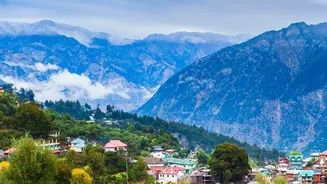
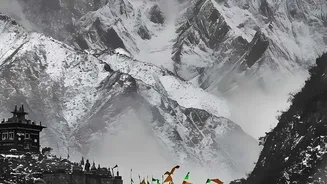
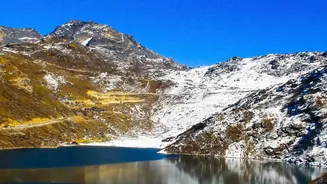
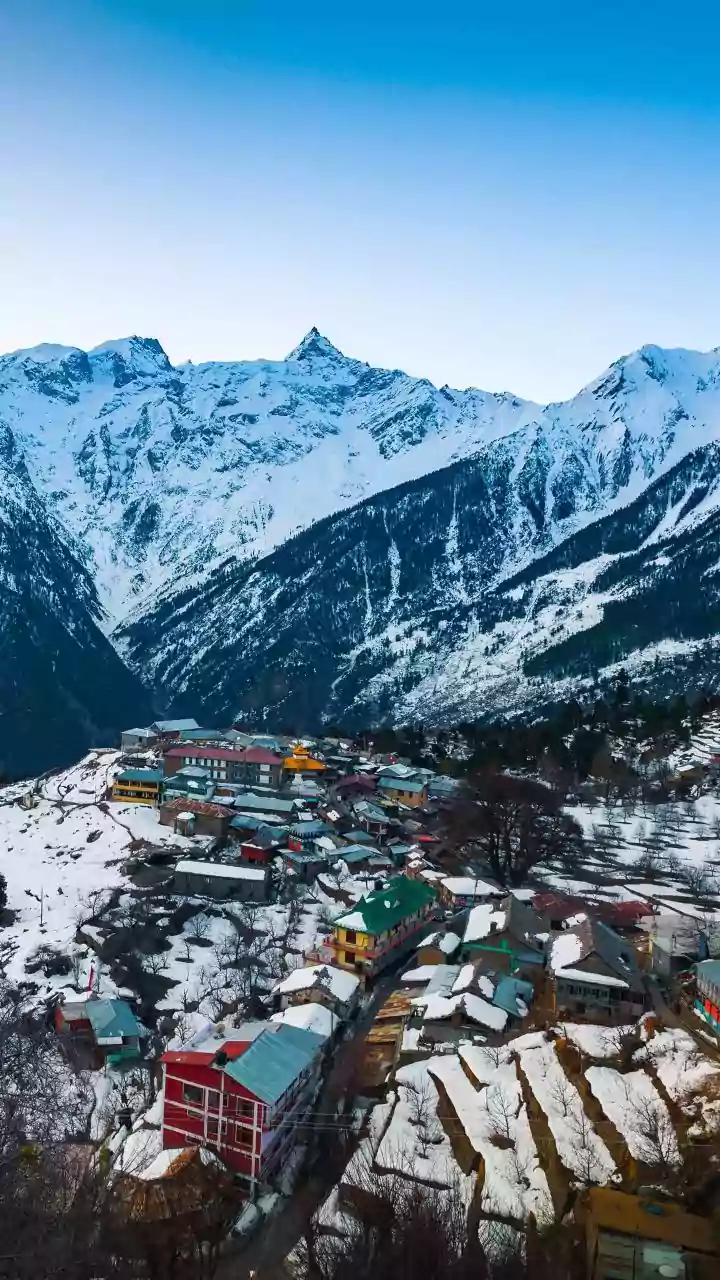
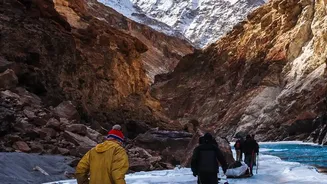
November is often considered a 'sweet spot' for Himalayan travel. The monsoon has washed the landscape clean, leaving behind vibrant scenery and breathtakingly clear views of snow-capped peaks. It's a time of pleasant daytime temperatures, ideal for trekking
and sightseeing, before the harsh winter fully sets in. This perfect convergence of conditions means that while it's technically the shoulder season, demand from discerning travellers remains high. Many seek to experience places like Ladakh, Spiti, Sikkim, or Nepal in their most serene state. However, this popularity within a narrow timeframe puts pressure on a finite resource: dependable transport.
The Unpredictable Nature of Mountain Weather
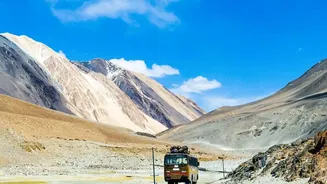
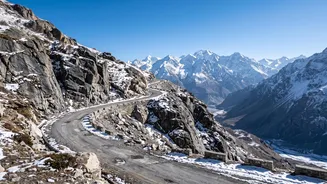
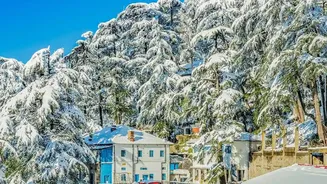
The primary reason to book transport early is the weather's volatility. November marks the transition from autumn to winter, and conditions can change rapidly. Early snowfall is a significant risk at high-altitude passes. Key routes like the Manali-Leh Highway and roads to high passes such as Rohtang Pass often face closures with little notice during this month. While a route might be open in the first week, a single overnight snowfall can shut it down by the second. Booking early gives you access to experienced local drivers who are adept at navigating these uncertainties. They have real-time information, understand viable alternative routes, and are better equipped to make sound safety decisions, unlike a driver you might hire last-minute.
Experienced Drivers Are a Scarce Commodity
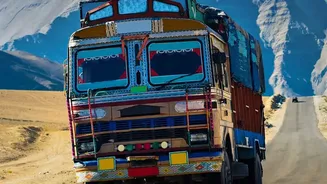
Navigating Himalayan roads, especially with the threat of black ice and sudden weather shifts, is not a job for any driver. It requires immense local knowledge and experience. The best drivers, who prioritise safety and know the terrain intimately, are in high demand. These professionals are often booked weeks or even months in advance by reputable tour operators and well-prepared travellers. Waiting until the last minute, especially in November, often means you are left with less experienced drivers or vehicles that may not be properly maintained for cold, high-altitude conditions. Securing a reliable driver early isn't a luxury; it's a critical safety measure.
Limited Fleet and Closing Operations
As the tourist season winds down, many transport operators, especially in regions like Ladakh and Spiti, begin to reduce their services. Public transport becomes virtually non-existent on major tourist highways like Manali-Leh. Many hotels, guesthouses, and ancillary services also start to close for the winter. This means the available pool of quality vehicles and drivers shrinks considerably. By booking in advance, you not only reserve a vehicle but also ensure your driver and their support network are operational and prepared for your trip. Last-minute arrangements can lead to frantic searches, inflated prices, and compromises on vehicle quality.
Cost and Itinerary Stability
While you might assume last-minute deals are cheaper, the opposite is often true for specialised services like Himalayan transport in November. With high demand and shrinking supply, 'surge pricing' is common for the few reliable vehicles and drivers still available. Booking early often locks in a better rate. More importantly, it provides itinerary stability. With confirmed transport, you can plan your accommodation and activities with confidence. A last-minute transport failure can have a domino effect, causing you to miss non-refundable hotel bookings and lose precious days of your trip while scrambling for an alternative. An early booking acts as the foundational piece of a well-planned, stress-free Himalayan adventure.