


India’s Next Interplanetary Leap
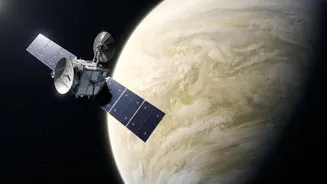
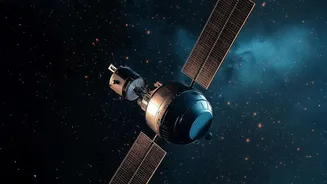
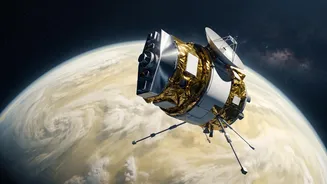
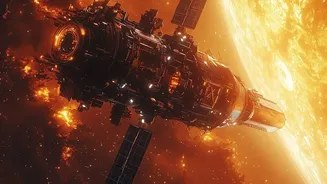
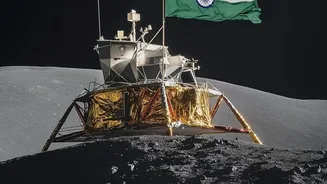
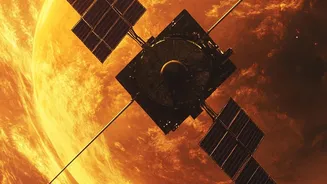
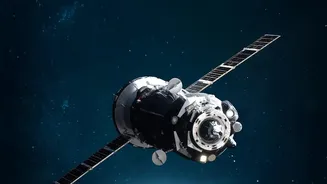
Shukrayaan, which translates to 'Venus Craft,' represents the Indian Space Research Organisation's (ISRO) first-ever mission to our closest planetary neighbour. Following the celebrated successes of Chandrayaan (Moon) and Mangalyaan (Mars), this ambitious
Venus Orbiter Mission marks the next frontier in India's planetary exploration programme. The mission was officially approved by the Union Cabinet in September 2024, signalling a firm commitment to expanding our understanding of the solar system. With a planned launch in early 2028, Shukrayaan is poised to join a new wave of global interest in Venus, positioning India as a key player in 21st-century space science. The mission isn’t just about planting a flag; it’s about answering fundamental questions about how planets evolve and what makes a world habitable.
The Mystery of Earth’s ‘Evil Twin’
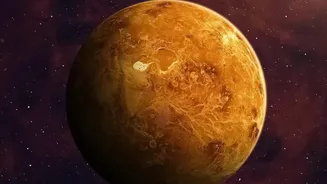
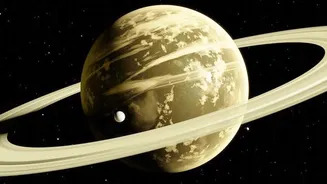
Venus is often called Earth’s twin, and for good reason. Both planets are nearly identical in size, mass, and composition, and they formed in the same neighbourhood of the solar system. But that’s where the similarities end. While Earth became a haven for life, Venus devolved into a veritable inferno. It boasts a crushing surface pressure, a toxic atmosphere composed almost entirely of carbon dioxide, and clouds of corrosive sulfuric acid. Surface temperatures are hot enough to melt lead. Scientists are deeply puzzled by this divergence. Why did two so similar worlds follow such drastically different paths? Understanding the runaway greenhouse effect that grips Venus could provide invaluable insights into climate change and the delicate balance that makes a planet like Earth habitable.
Peering Through the Veil
The greatest challenge in studying Venus is its impenetrable cloud cover. This is where Shukrayaan’s cutting-edge sensor suite comes in. The mission's headline instrument is a high-resolution Synthetic Aperture Radar (SAR). Unlike a standard camera, radar can 'see' through the thick atmosphere, allowing scientists to map the Venusian surface in unprecedented detail, day or night. This will be crucial for identifying landforms, studying geological features, and searching for tell-tale signs of active volcanoes. For the first time on a Venus mission, Shukrayaan will also carry a subsurface radar sounder. This instrument is designed to penetrate the ground itself, probing up to a kilometre deep to reveal hidden geological structures, buried lava channels, and maybe even clues about the planet's ancient past.
Unlocking Venus’s Deepest Secrets
Armed with these powerful tools, Shukrayaan aims to tackle some of the biggest questions about Venus. The mission's primary objectives are to investigate the planet’s surface and subsurface geology, analyse its complex atmospheric dynamics, and study its interaction with the solar wind. The data collected will help scientists determine if Venus is still geologically active today—a long-standing mystery. By mapping the surface, the orbiter could spot recent lava flows or other volcanic features. Furthermore, a suite of atmospheric instruments, some developed with international partners like Sweden and Russia, will analyse the composition and circulation of the clouds, helping us understand the extreme weather and chemistry of this hostile environment. The mission will also re-examine past claims of phosphine—a potential biosignature gas—in the atmosphere, seeking definitive answers.
The Journey Ahead
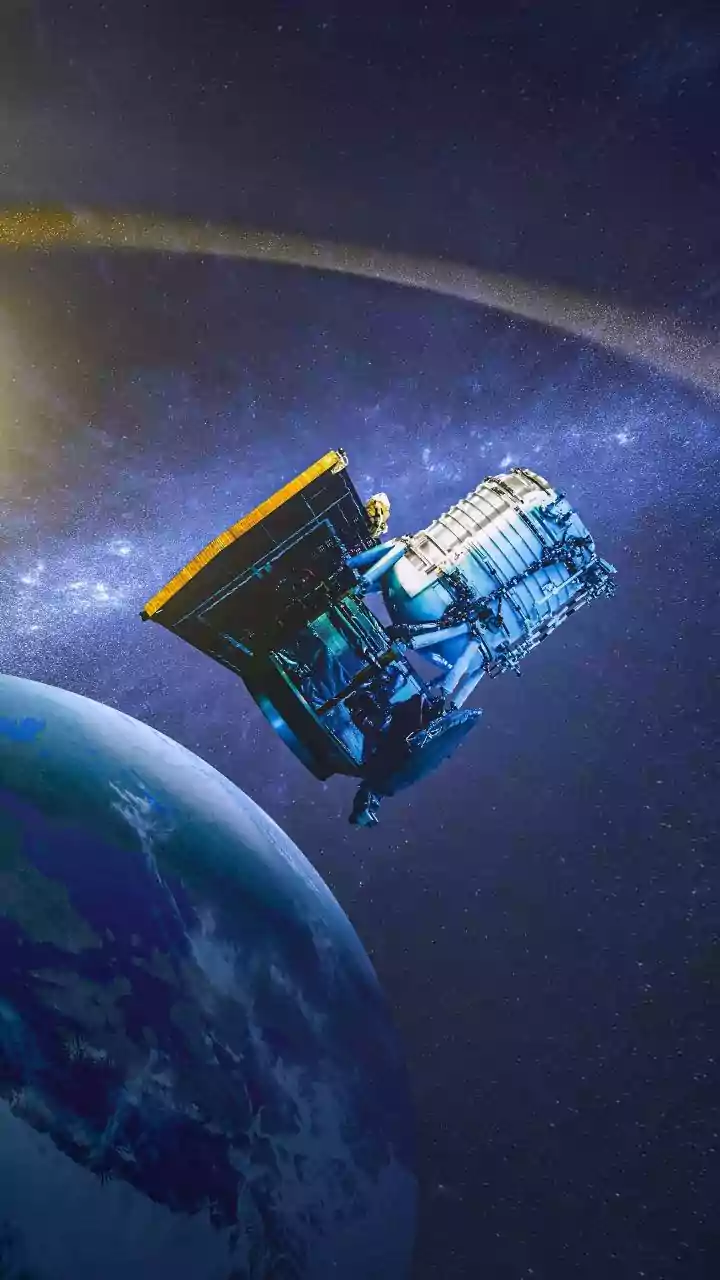
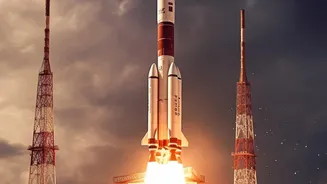
The Shukrayaan spacecraft is scheduled to launch aboard ISRO's powerful LVM-3 rocket on March 29, 2028. After a journey of about four months, it is expected to enter a highly elliptical orbit around Venus in July 2028. This specific orbit, ranging from 500 km at its closest to 60,000 km at its farthest point, is a strategic choice. It allows the spacecraft to gather high-resolution data when close to the planet and make wider, contextual observations of the atmosphere and its interaction with space from a distance. The mission is designed to operate for at least four years, providing a long-term, continuous stream of data that will fundamentally reshape our view of Venus. For the first time, ISRO also plans to use an aerobraking technique—skimming the planet's upper atmosphere to adjust its orbit—demonstrating another new capability for India’s space program.