






The Promise and Peril of Neem Oil
Neem oil is a favourite among organic gardeners, and for good reason. Extracted from the seeds of the neem tree, it's a natural and effective way to manage a wide range of pests like aphids, spider mites, and whiteflies, and even some fungal diseases.
It works by disrupting insect feeding and reproduction, offering a plant-safe alternative to synthetic chemicals. However, this popular remedy comes with a significant risk if not used correctly. The same oil that suffocates pests can also harm your plants, leading to a condition called phytotoxicity, or leaf scorch. This happens when the oil coats the leaves, essentially 'cooking' them in the sun or when the mixture is too concentrated.
What Is Leaf Scorch?
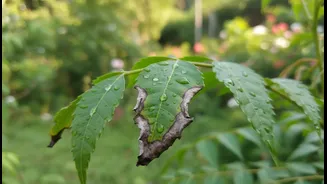
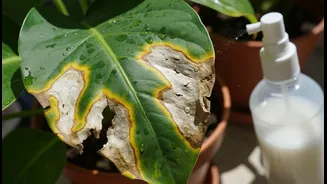
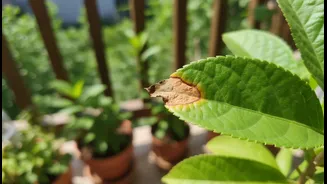
Leaf scorch from neem oil looks exactly like a sunburn. You might see yellowing, brown or black splotches, or crispy, wilting edges on the leaves. This damage occurs because the oil film can magnify the intensity of sunlight, heating the leaf tissue to damaging temperatures. It can also happen if the oil concentration is too high, which can block the leaf's stomata—tiny pores the plant uses to breathe—leading to cellular damage. Plants that are young, have delicate leaves like herbs and ferns, or are already stressed from drought are particularly vulnerable. The tragic irony is that in an attempt to help your plants, you can cause severe, sometimes irreversible, damage.
Your Safety Net: The Patch Test
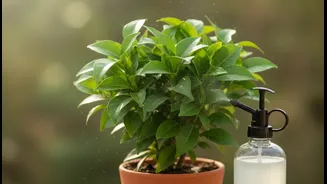
This is where patch testing comes in as an essential, non-negotiable step. Just as you would test a new skincare product on a small patch of skin, you should test any spray on a small part of your plant before applying it everywhere. This simple precautionary measure allows you to see how a specific plant will react to your neem oil solution without risking the entire plant, let alone your whole balcony garden. It's a five-minute task that can save you weeks of heartache and help you dial in the right concentration and application method for your green space.
A Step-by-Step Guide to Patch Testing
Patch testing is incredibly simple and requires no special equipment. Here’s how to do it correctly: 1. Prepare Your Solution: Mix your neem oil according to the product's instructions. A common dilution is about 5 ml of neem oil per litre of water, with a few drops of a mild, non-degreasing liquid soap to help the oil and water emulsify. Always mix a fresh batch right before you plan to use it. 2. Select a Leaf: Choose one or two inconspicuous leaves on the plant you intend to spray. An older, mature leaf near the bottom of the plant is ideal. 3. Apply the Spray: Spray the test leaf thoroughly, making sure to cover both the top and underside, just as you would with a full application. 4. Wait and Watch: This is the most crucial step. Leave the plant for at least 24 to 48 hours and observe the treated leaf closely. During this time, keep the plant out of direct, intense sunlight if possible.
Interpreting the Results
After the waiting period, it's time to check your work. If the leaf looks exactly as it did before—green, healthy, and free of spots or discoloration—your plant can tolerate the spray. You can now proceed with confidence to treat the entire plant. However, if you see any signs of damage like yellowing, brown spots, or wilting on the test leaf, the solution is too strong or the plant is too sensitive. In this case, you should not spray the rest of the plant. You can try diluting the mixture further and conducting another patch test, or seek an alternative pest control method for that particular plant. Some plants, like certain ferns and herbs, are known to be more sensitive.
Best Practices for Full Application
Once a patch test is successful, you're ready to spray. But there are still rules to follow for safe application. Always apply neem oil in the early morning or, preferably, late evening. This avoids direct sunlight on freshly oiled leaves, which is the main cause of scorch. Ensure you get good coverage, especially on the undersides of leaves where pests love to hide. Shake the sprayer frequently to keep the oil and water mixed. And remember, even after a successful test, never spray plants that are stressed from heat or lack of water.