






A Country of Two Weather Stories
To understand September travel in India is to understand the monsoon's withdrawal. This process is not like flipping a switch; it's a slow, staggered retreat that starts in the northwest and moves southeast over several weeks. This means that while one
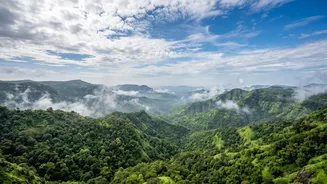
part of the country is basking in dry, sunny weather, another might still be experiencing significant rainfall. The result is a travel month where your experience is highly dependent on your destination. The upside is that landscapes are exceptionally green and vibrant after months of rain, and temperatures are generally pleasant.
North India: Clear Skies and Greener Vistas
For many, September is the perfect time to explore North India. In states like Rajasthan, the heavy rains have typically subsided, leaving behind a surprisingly green countryside and full lakes. Temperatures are more moderate than the scorching pre-monsoon summer, with daytime highs often around 30-33°C, and humidity levels drop considerably. This makes it an excellent time to visit the iconic cities of the Golden Triangle—Delhi, Agra, and Jaipur—with fewer crowds and clearer skies. In the Himalayan states like Himachal Pradesh and Uttarakhand, the monsoon is also tailing off. While some late-season showers are possible, especially early in the month, the weather generally becomes more stable, opening up opportunities for trekking and sightseeing with magnificent mountain views.
South India: Lingering Showers, Lush Beauty
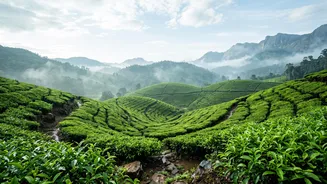
The story is quite different in the south. The southwest monsoon's withdrawal from this region is slower. In Kerala and along the western coast, including Goa, September still sees a fair amount of rain. However, the downpours are usually not continuous but come in intense, short bursts, often followed by sunshine. In Kerala, the landscape is at its most lush and verdant, and the famous backwaters are full and vibrant. It's a good time for those who don't mind a bit of rain and prefer to see the region in its greenest state. Over on the southeastern coast, Tamil Nadu is in a brief dry spell between the retreating southwest monsoon and the upcoming northeast monsoon, which typically arrives in October, making September a relatively good month for temple exploration.
West India: A Gradual Transition to Dry Days
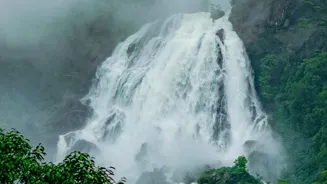
Western states like Goa and Maharashtra experience a distinct transition during September. The month begins with weather similar to the peak monsoon but gradually becomes drier and sunnier as the weeks progress. While you should still pack for rain, you can expect more sunshine hours compared to July and August. The early part of the month can still see rough seas, but conditions often improve towards late September. The biggest advantage is that the region is breathtakingly beautiful, with waterfalls in full flow and hillsides covered in green. It's a shoulder season where you can enjoy post-monsoon beauty with fewer tourists than in the peak winter months.
East and Northeast India: Plan with Caution
The monsoon tends to linger longer in East and Northeast India. States like West Bengal, Sikkim, Assam, and Meghalaya can still receive substantial rainfall throughout September. While this keeps the landscapes incredibly lush, it can also lead to travel disruptions, including landslides and road closures, particularly in mountainous areas like Sikkim and Arunachal Pradesh. Trekking is generally not advisable during this time. For travellers keen on this region, it is often better to wait until October, when the skies clear and the main tourist season begins. If you do travel here in September, it's crucial to have a flexible itinerary and check local conditions frequently.