



The Iconic Sweet: Gajar ka Halwa
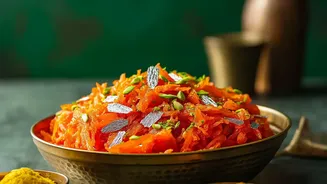
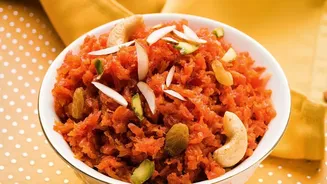
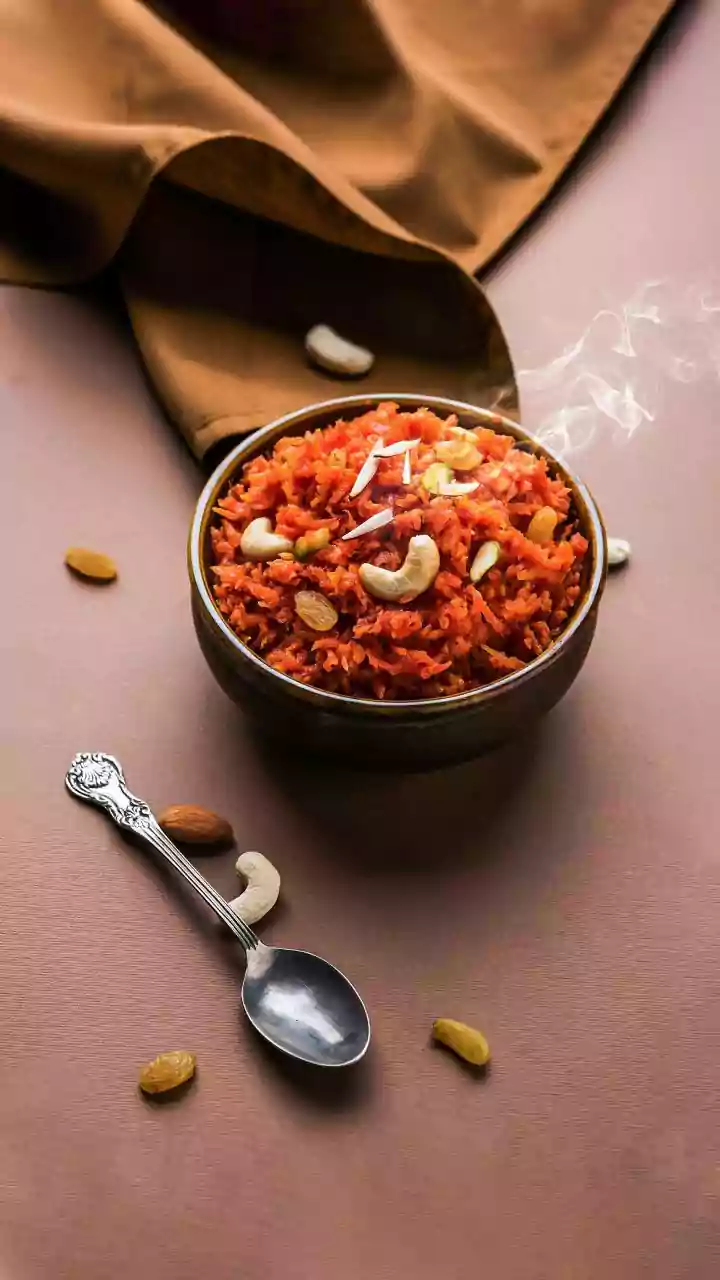
No conversation about Indian carrot dishes is complete without mentioning Gajar ka Halwa. This iconic dessert, especially popular during winter, transforms grated carrots into a rich, decadent pudding. The carrots are slow-cooked in milk until tender,
then sweetened with sugar and enriched with ghee. The process is a labour of love, as the mixture is stirred continuously until the milk evaporates and the halwa thickens to a luscious consistency. Aromatic notes of cardamom powder are infused towards the end, and the dish is often garnished with a generous scattering of fried nuts and raisins like almonds and cashews, which add a delightful crunch and richness. It’s a comforting, festive sweet that showcases the carrot's inherent sweetness, making it the star of the show.
The Homely Side: Gajar Matar Sabzi
A staple in many North Indian homes, Gajar Matar Sabzi is a simple, comforting, and nutritious dry curry. This dish pairs the subtle sweetness of carrots with the fresh pop of green peas, creating a beautiful contrast in both colour and flavour. The preparation is straightforward: chopped carrots and peas are sautéed with a tempering of cumin seeds, ginger, and sometimes garlic and green chillies. Spices like turmeric and coriander powder lend it a gentle, earthy flavour without overpowering the vegetables. Typically cooked until the vegetables are tender but still retain a slight bite, this sabzi is a perfect weeknight meal accompaniment, pairing wonderfully with hot rotis, parathas, or as a side with dal and rice.
The Tangy Preserve: Gajar ka Achar
Carrots also shine in the world of Indian pickles. Gajar ka Achar, or carrot pickle, is a fantastic way to preserve the vegetable's crunch while infusing it with bold, tangy, and spicy flavours. Carrot batons are mixed with a potent blend of spices, which often includes coarsely ground mustard seeds, fennel seeds, fenugreek seeds, and turmeric. The mixture is then typically preserved in mustard oil, which adds its own characteristic pungent flavour. Some recipes call for a period of sunning, which allows the flavours to mature and deepen, while instant versions can be ready in minutes. This pickle serves as an excellent condiment, adding a burst of excitement and complexity to simple meals like dal-rice or parathas.
The Refreshing Salad: Gajar Koshimbir
Moving from cooked to raw, Gajar Koshimbir is a refreshing Maharashtrian salad that highlights the carrot's crisp texture and fresh taste. It's a quick and simple preparation involving grated carrots, often mixed with other ingredients like chopped tomatoes or fresh coconut. The salad is seasoned with salt, a pinch of sugar to balance the flavours, and a squeeze of lemon juice for tanginess. What truly elevates this dish is the 'tadka' or tempering. Hot oil or ghee is infused with mustard seeds, cumin seeds, asafoetida, and curry leaves, and this aromatic mixture is poured over the carrots, creating a delightful sizzle and infusing the salad with flavour. Garnished with roasted peanuts and fresh coriander, it's a light, crunchy, and healthy side dish.
The Southern Staple: Carrot Thoran/Poriyal
In South Indian cuisine, particularly in Kerala and Tamil Nadu, carrots are frequently used to make a delicious stir-fry known as Thoran or Poriyal. This dish involves finely chopped or grated carrots cooked with a fragrant tempering of mustard seeds, urad dal, and curry leaves in coconut oil. A key element of this preparation is the generous use of freshly grated coconut, which is added towards the end of the cooking process. The coconut adds a subtle sweetness and a lovely texture that complements the carrots perfectly. The dish is cooked quickly, ensuring the carrots remain tender-crisp and don't turn mushy. It’s a simple, healthy, and flavourful side that is an essential part of a traditional South Indian meal or 'sadhya'.