


Is It Really Jealousy?
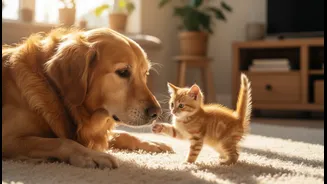
When your resident dog pushes in, whines, or growls as you pet your new companion, it's easy to label it as jealousy. In reality, dogs are often exhibiting what behaviourists call resource guarding. You, your attention, the best spot on the sofa, and
your affection are all valuable resources worth protecting. This behaviour can manifest in several ways: nudging their way in for pets, becoming excessively clingy, performing tricks to steal your focus, or even growling at the other dog. In some cases, a dog might withdraw and sulk, or even begin misbehaving around the house. Understanding this behaviour as a competition for resources, rather than a complex human emotion, is the first step toward solving it.
The Foundation: Fairness Over Equality
The idea of giving 'equal' attention can be a trap. If you spend ten minutes petting one dog, do you need to set a timer for the other? Not exactly. A better goal is fairness, which means meeting each dog's individual needs. One dog might crave a long, sniff-filled walk, while the other prefers a five-minute-long belly rub. The goal isn't to make everything identical; it's to ensure each dog feels secure, loved, and has their needs met. Trying to be perfectly equal can sometimes increase anxiety, as dogs may become hyper-aware of what the other is getting. Instead, focus on providing quality, individualised experiences that fill each dog's cup.
Schedule Individual 'Dog Dates'
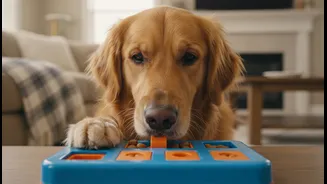
The most powerful tool in your harmony toolkit is one-on-one time. This dedicated, separate time strengthens your bond with each dog individually and reduces their need to compete for your attention. These 'dates' don't have to be elaborate. A 10-15 minute session of focused activity is often enough. Take one dog for a short solo walk while the other stays home with a long-lasting chew. Play a game of fetch with one in the backyard. Engage in a brief training session focused on fun tricks. While one dog is having their special time, ensure the other is comfortably occupied, perhaps in a separate room or crate with a high-value treat. This teaches them that being alone is also a rewarding experience.
Manage Group Interactions and Resources
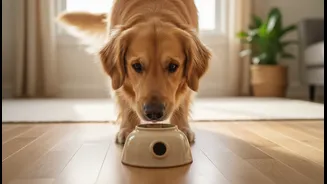
Peace in a multi-dog home is built on clear rules and management, especially around potential conflict zones like food, toys, and affection. Feed your dogs in separate rooms or in crates to prevent any tension during meals. High-value items like new bones or special chew toys should be given when the dogs are separated to prevent guarding. Your attention is also a resource. If you're petting one dog and the other pushes in, avoid rewarding the pushy behaviour. Gently block the interrupting dog or guide them away. Only provide attention when they are calm and respecting the other dog's space. This reinforces polite behaviour.
Train for Calmness and Patience
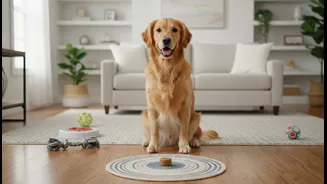
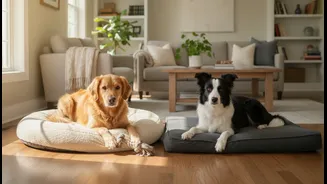
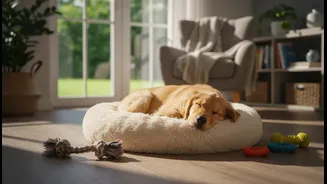
Positive reinforcement training is essential. Reward the behaviours you want to see more of. When both dogs are lying calmly near each other, praise them and offer a small treat. This teaches them that calm coexistence leads to good things. Strong obedience cues are your best friend. A solid 'place' or 'stay' command allows you to ask one dog to wait patiently on their bed while you interact with the other. Teaching a 'leave it' command is also crucial for managing shared spaces and toys. Don't let the dogs 'figure it out on their own,' as this can lead to escalating conflicts. Your role is to be a calm and consistent leader who provides clear instructions.