







The Hidden Danger in Plain Sight
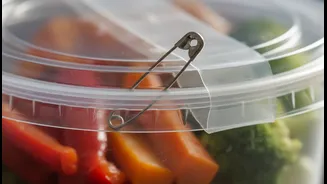
For decades, the humble staple pin has been the go-to solution for countless food vendors, restaurants, and bakeries to quickly seal packages. It's cheap, fast, and seemingly effective. From local sweet shops to bustling takeaway counters, stapler pins
are used to secure everything from paper bags and snack pouches to cake boxes. However, this widespread practice introduces a dangerous foreign object into the food supply chain. The problem is that these small metal fasteners can easily become dislodged during transit or when a customer opens the package, falling unnoticed into the food itself. This transforms a simple meal into a serious safety risk.
From Physical Hazard to Health Emergency
The risks associated with ingesting a staple pin are severe and varied. According to medical experts and food safety authorities, if a pin is accidentally swallowed, it can cause significant physical injury. These include cuts to the mouth, throat, and gums, as well as painful lacerations to the food pipe and digestive tract that may require emergency medical intervention. In some cases, a pin can become a choking hazard, particularly for children. If it enters the windpipe, it can obstruct breathing and create a life-threatening situation. Beyond the immediate physical trauma, there are also concerns about contamination. Pins can carry rust or germs, potentially leading to infections like tetanus if they cause a wound.
Regulatory Clampdown: FSSAI’s Clear Directive
Recognizing these dangers, the Food Safety and Standards Authority of India (FSSAI) has taken a firm stance. Following numerous reports of metallic pins being found in food items, the regulator has issued a directive prohibiting all Food Business Operators (FBOs) from using staples, metal pins, or wires for packaging. This ban applies to all sectors of the food industry, including restaurants, bakeries, and delivery services. The FSSAI has been clear that these metallic objects are a physical hazard and their use renders food unsafe. The authority has warned that businesses found violating this directive will face penal action under the Food Safety and Standards Act, 2006. This move is part of a broader effort to strengthen food packaging regulations, which also includes rules against using newspaper to wrap food due to ink contamination.
The Push for Safer Alternatives
The FSSAI's ban necessitates a shift in industry practice, but viable alternatives are readily available. For businesses, the primary challenge is finding solutions that are as cost-effective and convenient as the staple pin. Safer options include food-grade adhesives and tapes, heat sealing, and designing packaging with integrated closures like flaps and tabs. Adhesive paper seals not only secure the package but can also serve as a tamper-evident band, increasing consumer confidence. While some of these methods may require a slightly higher initial investment in equipment or materials, the cost of non-compliance—both in terms of legal penalties and damage to brand reputation—is far greater.
A Shared Responsibility for Safety
Ultimately, ensuring food is free from physical contaminants like staples is a shared responsibility. Food businesses have a legal and ethical obligation to adopt safer packaging protocols and train their staff accordingly. The FSSAI's directive provides the regulatory framework, but its success depends on widespread compliance and enforcement. Consumers also play a crucial role. By being aware of the risks, they can inspect packaging and report non-compliant businesses to the authorities. Choosing to patronise establishments that prioritise safety sends a powerful market signal. This collective effort is essential to eliminate a preventable hazard and ensure that the food we buy is safe from the packaging down to the last bite.