



The Science of a Monsoon Break
Meteorologists refer to a period of weak or no rain during the monsoon season as a 'break'. During these breaks, the typically dense cloud cover thins out or disappears entirely. Without this natural shield, more direct solar radiation reaches the Earth's
surface, causing land and air temperatures to climb. This effect is not just about the absence of cooling rain; it's about the increased intensity of the sun hitting the ground. Forecasts for September 2026 suggest that below-normal rainfall is expected, which could lead to more frequent and prolonged break conditions. This pattern is often influenced by larger climate phenomena like El Niño, which is known to suppress monsoon rainfall over India.
From Less Rain to More Heat
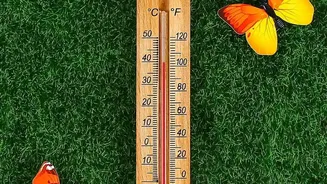
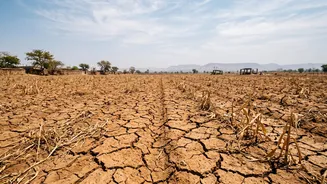
The relationship between rainfall and temperature is a delicate balance. Rain and the associated cloud cover have a cooling effect. When rainfall is deficient, two things happen. First, as mentioned, there's more direct sunlight. Second, there's less moisture in the soil and the air. Evaporation from moist soil is a cooling process. When the ground is dry due to a lack of rain, this natural air conditioning is switched off. Compounding the issue is humidity. During a monsoon break, the air can still be very humid. This combination of high heat from the sun and high humidity creates a dangerous form of heat stress, where the body cannot cool itself effectively through sweating. As a result, 'feels-like' temperatures can soar, posing significant health risks even if the dry bulb temperature isn't at record highs.
The Ripple Effect on Daily Life
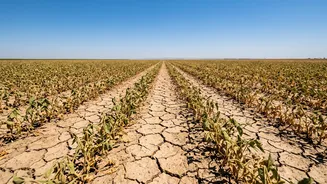
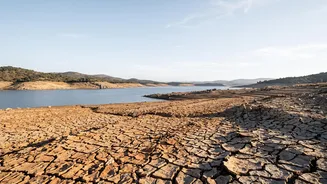
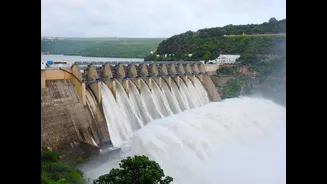
The impact of a weak monsoon extends far beyond just feeling uncomfortable. It is a major economic event. A significant portion of India's agriculture is rain-fed, meaning crops are entirely dependent on monsoon showers. Deficient rainfall can delay the sowing of crucial kharif crops like rice, cotton, and soybeans, leading to lower yields and potential food price inflation. This directly affects the livelihoods of millions of farmers and can slow down the entire rural economy, weakening demand for goods and services. Furthermore, our water reservoirs, which supply drinking water and generate hydropower, depend on a healthy monsoon for replenishment. Less rain means more pressure on already stressed water resources, impacting everything from urban water supply to electricity generation.
A Glimpse into Our New Climate Reality
This pattern of hotter days during monsoon breaks is becoming a more pronounced feature of India's weather. Studies have shown that instances of uncompensable heat stress—where the body physically cannot cool down—are projected to increase during the monsoon season as the climate warms. While previously a major concern for the pre-monsoon summer, this dangerous humid heat is now a growing threat from July to October, particularly in the Indo-Gangetic Plain and northwestern India. This isn't just a temporary anomaly; it's part of a larger shift. Experts note that while extreme rain events are becoming more intense, they are punctuated by these dry, intensely hot spells. This creates a punishing cycle of either deluge or oppressive heat, forcing us to adapt to a more volatile and challenging climate reality.