


Beware the Wide-Angle Lens
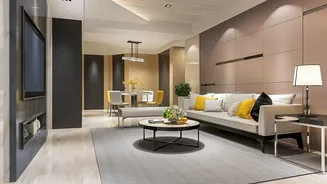
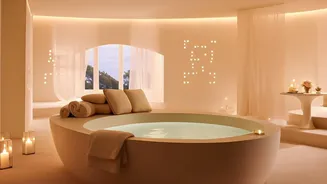
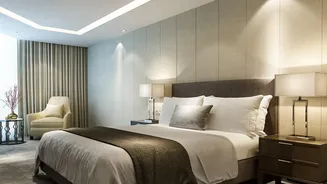
The single most common tool in a hotel photographer’s kit is the wide-angle lens. This lens makes small spaces look vast by distorting perspective, making the distance between the bed and the far wall seem much greater than it is. If a room looks impossibly
spacious or furniture seems to float in an expansive void, you’re likely seeing this effect. Look for tell-tale signs of distortion, like curved lines at the edges of the frame where walls or furniture should be straight. While great for capturing more of the room in one shot, overuse of this lens is a red flag that the hotel might be trying to create a false sense of space. A stated square footage, if available, can be a useful reality check against these exaggerated images.
Compare All Room Categories
Don’t just look at the photos for the room category you intend to book. A crucial step is to browse the images for every type of room the hotel offers, from the most basic standard room to the premium suites. This provides a baseline and helps you understand what the hotel considers an “upgrade.” You can see the actual differences in size, decor, and amenities. Sometimes, the only difference between a standard and a deluxe room is a slightly better view or a coffee machine. Expedia notes that properties using unique photos for each room type see higher conversion rates, as it helps travelers distinguish between them. If a hotel uses the same few generic photos for multiple, differently priced room categories, be wary. It suggests a lack of transparency.
Search for Signs of Scale
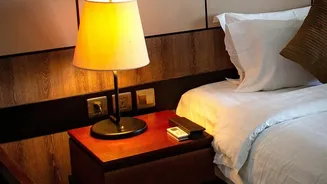
To get a true sense of a room’s size, ignore the wide, empty spaces in a photo and focus on the objects within it. These are your signs of scale. How much space is there between the side of the bed and the wall? Is there a full armchair, or just a small stool tucked into the corner? A standard interior door is a reliable reference point, as is the size of the pillows on the bed. If a photo shows a desk, is it large enough for a laptop and a notebook, or is it just a narrow shelf? Look at the bedside tables; if they are tiny, it’s often to save space in a cramped room. These small details provide far more accurate clues about the real dimensions of the room than a sweeping, wide-angle shot.
What the Photos Don’t Show
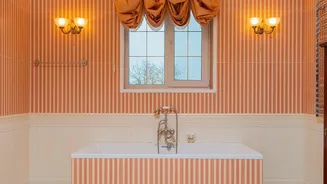
Sometimes, what a hotel chooses not to show is the most revealing information. If the photo gallery is missing a clear, well-lit shot of the bathroom, it’s often because the bathroom is dated or tiny. An absence of exterior shots might hide an unappealing facade or a less-than-desirable neighborhood. A confident hotel will show you everything, including the less glamorous but functional parts of the room. If you only see tight, cropped shots of decorative details but no full corner-to-corner view of the room, the layout may be awkward. Similarly, a close-up of a treadmill doesn't mean there's a full gym; it might be the only piece of equipment.
Cross-Reference with Guest Photos
Official hotel photos are marketing materials. For the unfiltered truth, seek out pictures taken by actual guests. Review sites like TripAdvisor, Google Maps, and the booking platforms themselves are invaluable resources for finding these candid shots. These images are the antidote to professional staging and lighting. A guest’s phone photo will show you the real view from the window (not the one from the single best balcony), the actual size of the room without a wide-angle lens, and any signs of wear and tear that are edited out of promotional images. While amateur photos may be less polished, they are far more honest and provide a realistic preview of what you can expect upon arrival.