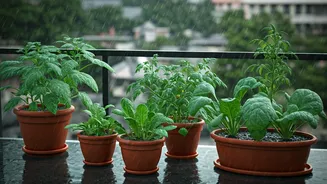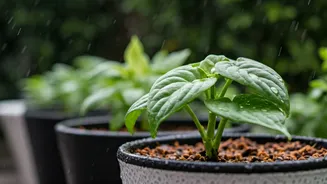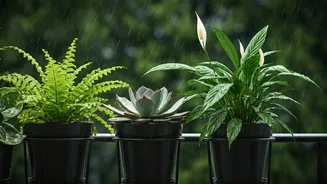





1. Balsam (Impatiens balsamina)
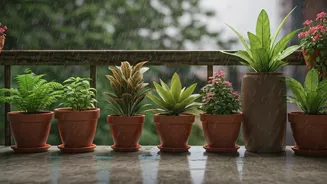
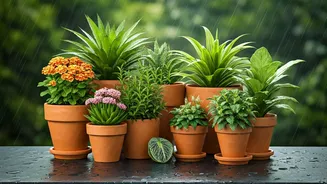
Often called the 'monsoon flower', Balsam is a classic choice for a reason. These plants absolutely thrive in the humid, wet conditions of the Indian rainy season. They produce a profusion of delicate, cup-shaped flowers in shades of pink, purple, red,
and white, bringing a welcome splash of colour to grey days. Balsam has a relatively shallow root system, making it perfectly happy in smaller pots. Its succulent stems hold water, but it also enjoys the consistent moisture the monsoon provides, growing quickly and blooming continuously throughout the season. Just ensure your pot has excellent drainage to prevent the soil from becoming a swamp.
2. Marigold (Tagetes)
Bright, cheerful, and incredibly hardy, marigolds are a fantastic addition to any monsoon garden. Their vibrant orange and yellow flowers feel like little bursts of sunshine. Marigolds are known for their resilience and can tolerate the heavy downpours of the monsoon without much fuss. In fact, the regular watering helps them establish strong roots and produce more blooms. They are also natural pest repellents, which is a huge bonus during the damp season when insects and other pests are more active. Available in various sizes, dwarf varieties of French Marigolds are especially well-suited for small pots on a windowsill or balcony railing.
3. Zinnia
If you want a low-maintenance flower that delivers a big impact, look no further than the Zinnia. These plants are celebrated for their ability to bloom profusely in a wide range of conditions, including the high humidity and wet soil of the monsoon. They come in a rainbow of colours and their sturdy stems hold up well against wind and rain. Zinnias are fast-growers, so you can sow seeds at the beginning of the monsoon and enjoy flowers in just a few weeks. They are also magnets for butterflies, adding another layer of life and movement to your balcony garden. Choose a smaller variety like the 'Profusion' or 'Zahara' series for compact pots.
4. Coleus (Plectranthus scutellarioides)
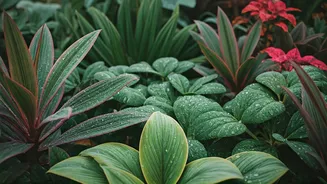
For those who want colour without relying solely on flowers, Coleus is the answer. This plant is grown for its stunningly patterned and vibrantly coloured foliage, with leaves in shades of burgundy, lime green, pink, and deep purple. Coleus loves the shade and consistent moisture, making it an ideal plant for a balcony that doesn't get direct, harsh sunlight. During the monsoon, the high humidity and regular moisture keep its leaves lush and vibrant. It grows vigorously in pots and can be easily propagated from cuttings. Just pinch back the tips regularly to encourage a bushier, more compact shape suitable for a small container.
5. Dwarf Hibiscus
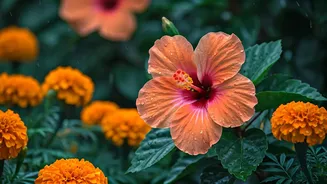
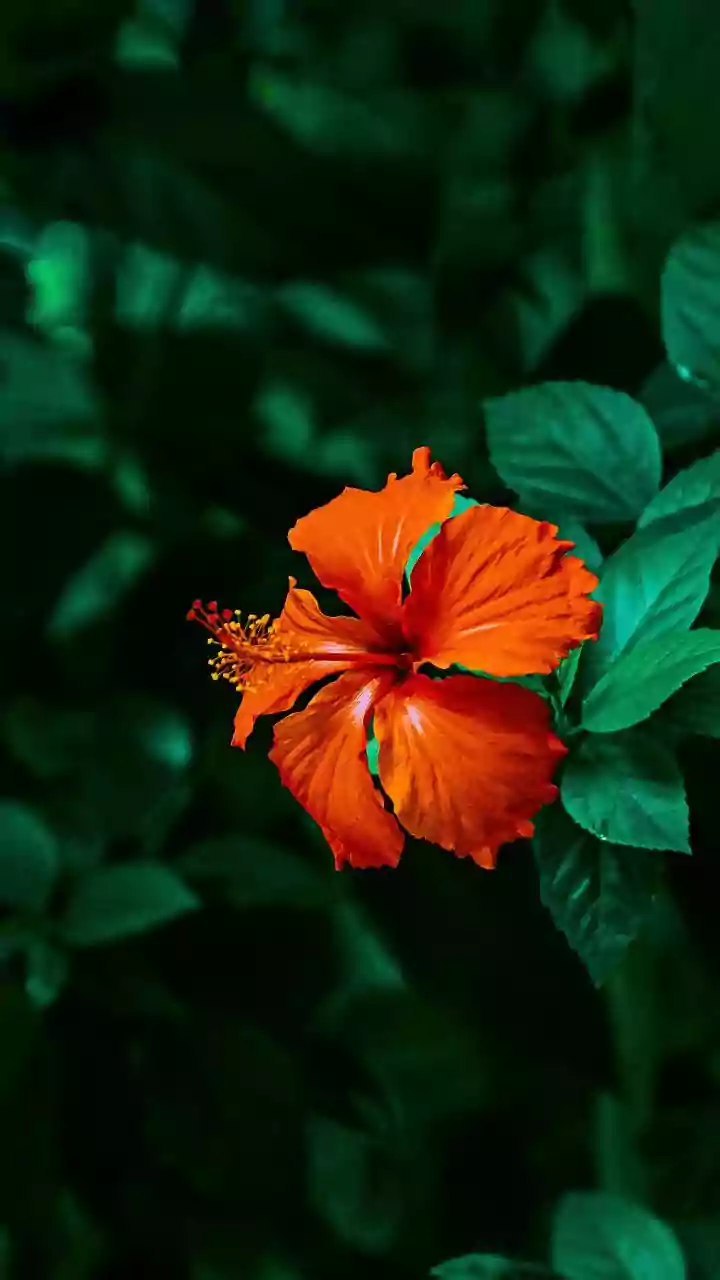
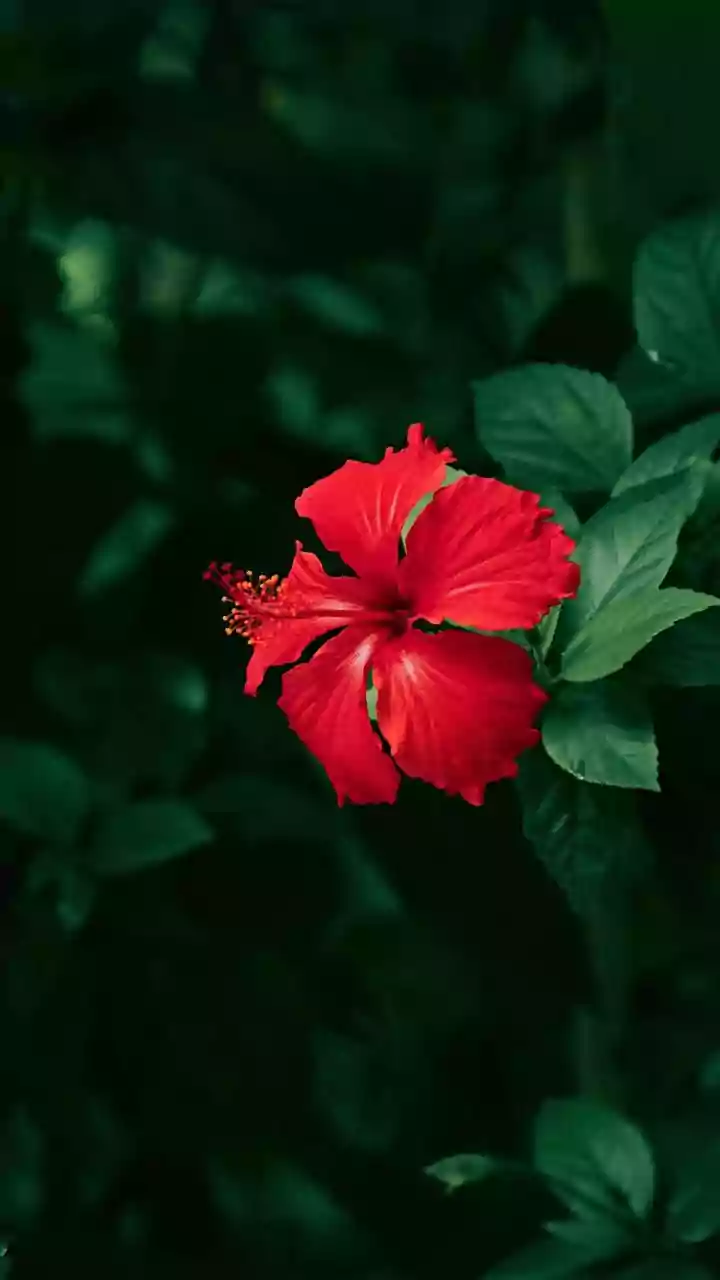
While you might picture Hibiscus as a large shrub, numerous dwarf and compact varieties are perfect for pot culture. Hibiscus loves water and will reward you with large, spectacular blooms throughout the rainy season. The key is to provide it with enough nutrients to support its flowering habit. The consistent moisture from the rain is beneficial, but like all potted plants, it needs a way for excess water to escape. These tropical beauties can handle the humidity and will add an exotic, dramatic flair to your small space garden. Look for varieties specifically sold as 'dwarf' or 'patio' hibiscus at your local nursery.
Tips for Monsoon Potting Success
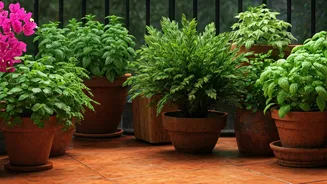
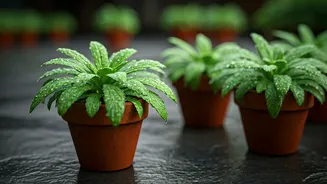
No matter which plants you choose, a few basic rules will ensure your potted garden thrives during the rains. First, drainage is non-negotiable. Ensure every pot has at least one, preferably more, drainage holes at the bottom. Elevate pots on small 'feet' or bricks to allow water to escape freely and prevent them from sitting in a puddle. Second, use a light, well-draining potting mix. A mixture of cocopeat, compost, and perlite is much better than heavy garden soil, which compacts and becomes waterlogged. Finally, keep an eye out for fungal diseases and pests, which are more common in damp weather. Good air circulation between pots can help mitigate this.