

The Power Problem Plaguing Petals
In the agricultural belts surrounding Bengaluru, a stable supply of electricity is far from guaranteed. For farmers cultivating high-value floriculture crops like roses, this is a critical business risk. The region often experiences frequent power cuts
and voltage fluctuations that can disrupt the sensitive operations required to grow perfect blooms. Rose cultivation, particularly in protected environments like greenhouses, depends on consistent power for essential systems such as irrigation, fertigation (mixing fertilizer with water), and climate control. An unexpected outage can halt water pumps, leaving delicate plants to wilt in the heat. This unreliability forces many farmers to depend on expensive and polluting diesel generators as a backup, eating into their profits and increasing their carbon footprint.
A Solution Grown Under the Sun
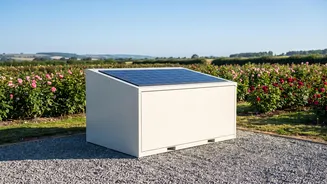
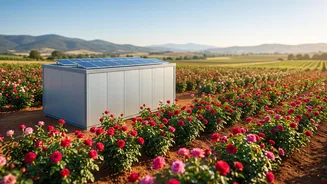
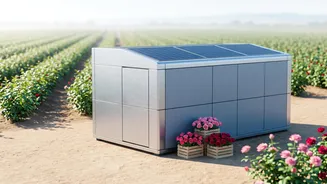
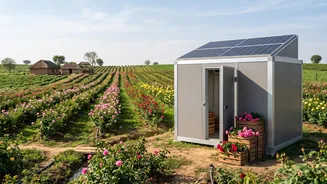
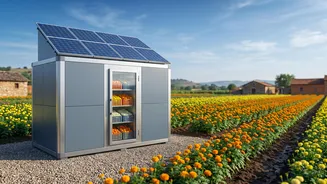
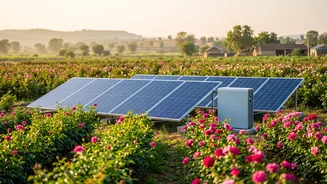
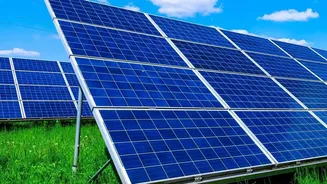
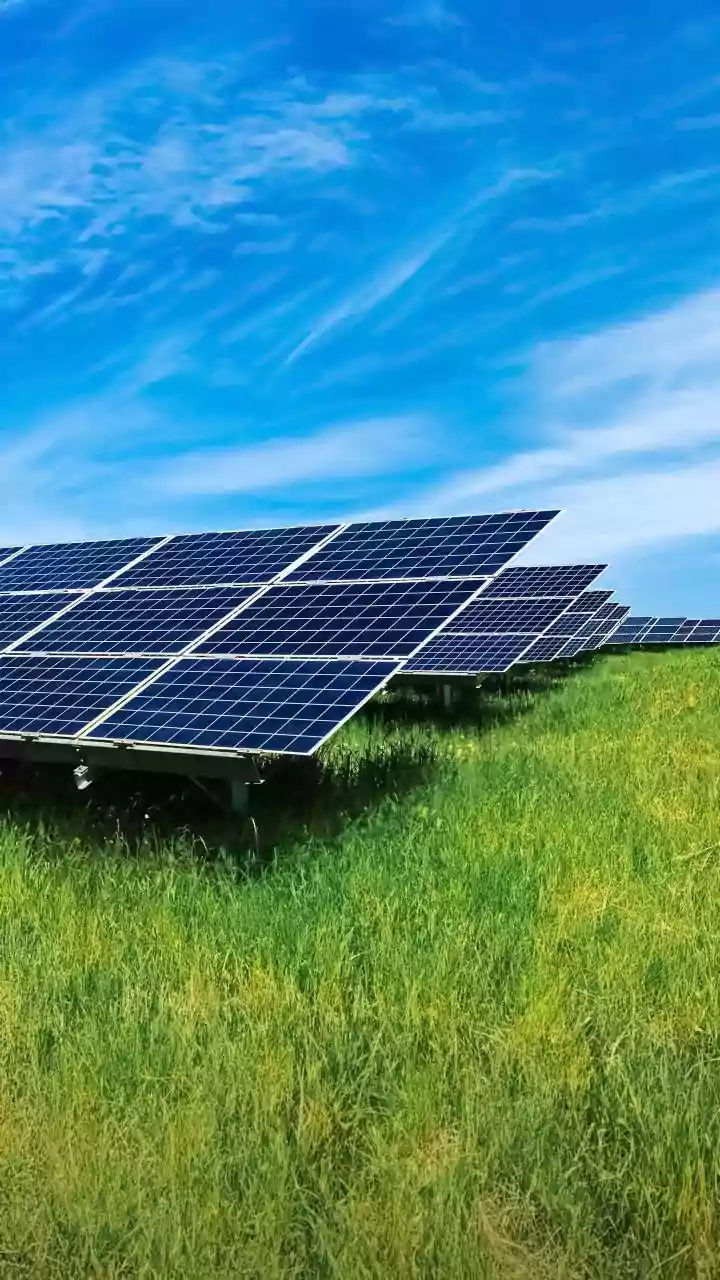
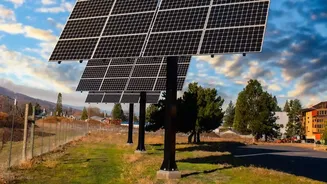
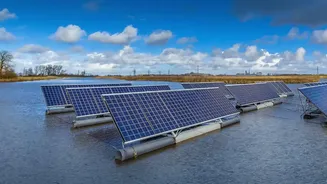
In response to these energy challenges, a growing number of rose farms are disconnecting from the grid's unpredictability and embracing energy independence. The solution is an off-grid solar power system integrated with battery energy storage (BESS). This setup works by using solar panels to generate electricity during the day. This power runs the farm's equipment directly, while any excess energy is used to charge a bank of batteries. When the sun goes down or during cloudy periods, the batteries provide a seamless and stable supply of power. Unlike grid-tied systems, these off-grid solutions operate completely independently, offering true energy security for remote or poorly-served agricultural sites.
From Unpredictability to Profitability
For the rose farmers making the switch, the benefits are transformative. The most immediate impact is the elimination of reliance on costly diesel fuel, which is subject to volatile pricing. By generating their own free power from the sun, farmers significantly lower their daily operating expenses. This newfound energy reliability also leads to better crop quality and more consistent yields. With a 24/7 power supply, automated irrigation and nutrient-delivery systems can run on precise schedules, ensuring each plant gets exactly what it needs to thrive. This reduces the risk of crop loss and boosts the farm's overall productivity and profitability. The peace of mind that comes from knowing the power will stay on is an invaluable, if unquantifiable, asset.
More Than Just a Rosy Outlook
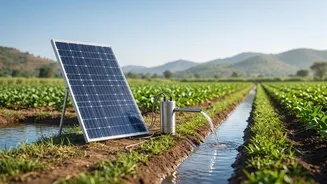
The success of off-grid solar in Bengaluru's floriculture sector serves as a powerful model for other industries across India. Agriculture consumes a massive share of the nation's water and energy, often relying on subsidized but erratic grid power that contributes to groundwater depletion. Solar-powered pumps and operations offer a way to break this unsustainable cycle. This technology is not just for large farms; it is scalable for small and medium-sized enterprises (SMEs), from weavers in rural districts to local hotels and bakeries that are also hampered by frequent power outages. By demonstrating a viable path to energy independence, these rose farms are providing a blueprint for a more resilient rural economy.
The Future of Green Farming
While the benefits are clear, the widespread adoption of off-grid solar storage faces hurdles, primarily the high upfront installation cost. Batteries can account for a significant portion of the initial investment. Government support, such as the PM-KUSUM scheme for solar pumps, is helping to make the technology more accessible to farmers. However, these subsidies often focus on grid-tied systems or pumps alone, not always comprehensive off-grid storage solutions for whole-farm operations. As battery technology becomes more affordable and financing options improve, this transition will likely accelerate. The move by Bengaluru’s rose growers highlights a crucial shift, where investing in sustainable infrastructure is not just an environmental choice but a strategic business decision for a more profitable and secure future.