



Why Batch Cooking Is a Game Changer
The main appeal of steel-cut oats—their hearty, chewy texture—comes from the fact that they are the least processed type of oat, which also means they take the longest to cook, often up to 30 minutes. This is hardly ideal for a hectic weekday morning.
By cooking a large batch once a week, you transform this slow-food breakfast into a fast-food convenience. You get all the nutritional benefits, like sustained energy and high fibre, without the daily stress. A single cooking session on a Sunday can set you up with delicious, ready-to-heat porridge for the entire work week.
The Key Ratio for Perfect Texture
The secret to successful batch-cooked oats lies in the liquid ratio. While a single serving might use a 1-to-3 ratio of oats to water, batch cooking requires a bit more liquid. This is because the oats will continue to absorb moisture as they sit in the refrigerator. A good starting point for a batch is 1 cup of steel-cut oats to 4 cups of liquid (like water, milk, or a mix). This might seem slightly loose at first, but it ensures your porridge will still have a creamy, not-too-stiff texture by day five. Always add a pinch of salt to the liquid to enhance the nutty flavour of the oats.
Choose Your Cooking Method
You can batch cook oats using several methods. The traditional stovetop approach involves simmering the oats for 20-30 minutes, stirring occasionally. For a more hands-off option, a slow cooker is excellent; simply combine oats and liquid and cook on low for 6-8 hours overnight. A pressure cooker or Instant Pot is fastest: combine 1 cup of oats with 3 cups of liquid, cook on high pressure for about 3-4 minutes, and allow the pressure to release naturally for at least 15 minutes. Regardless of the method, avoid over-stirring, as this releases too much starch and can make the porridge gummy.
Cooling and Storing for Success
Proper cooling is crucial. Once cooked, let the oats cool down for about an hour before transferring them to an airtight container. This prevents condensation from making them watery. You can store a large batch in one container or portion it out into individual servings for grab-and-go ease. The porridge will keep well in the refrigerator for up to five days. For longer storage, you can freeze it. A popular trick is to freeze portions in a muffin tin. Once solid, pop the 'oatmeal pucks' out and store them in a freezer bag for up to three months.
Reheating for a Fresh-Made Feel
Reheating is simple and restores the creamy texture. For a refrigerated portion, place it in a bowl and add a splash of milk or water. This is the key to loosening the oats back into a porridge consistency. Microwave for 90 seconds to 2 minutes, stirring halfway through, until hot. You can also reheat the oats on the stovetop over low heat, stirring gently with the added liquid until warmed through. Frozen oatmeal pucks can be reheated in the same way, though they will need a little extra time in the microwave.
Keep It Interesting with Toppings
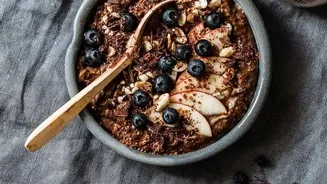
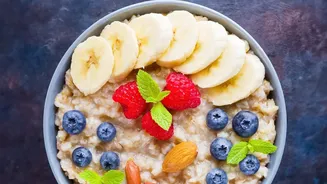
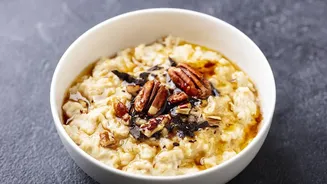
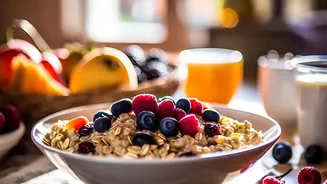
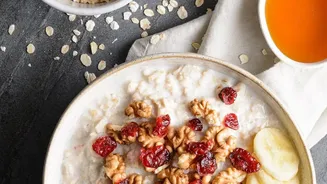
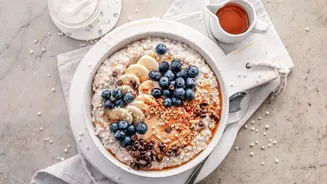
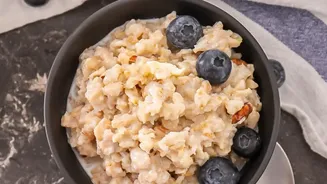
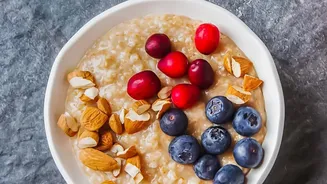
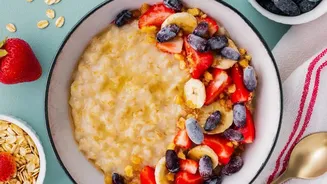
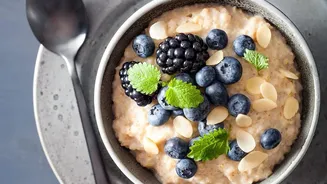
The beauty of a plain batch of oats is that it's a blank canvas. By adding toppings each morning when you reheat, you can have a different breakfast every day. For sweetness and flavour, swirl in maple syrup, honey, or fig preserves. Add texture and nutrition with fresh fruit like berries or sliced banana, toasted nuts, or seeds. A spoonful of nut butter or whole-milk yoghurt can make it even creamier and more satisfying. For a savoury twist, try cooking the oats in broth and topping with a fried egg and some greens.