
A Delicious New Dialogue
Something exciting is happening in Indian kitchens and bakeries. A quiet revolution is taking place, not with loud proclamations, but with the gentle whisk of cream and the fragrant aroma of cardamom meeting chocolate. Bakers, patissiers, and home chefs
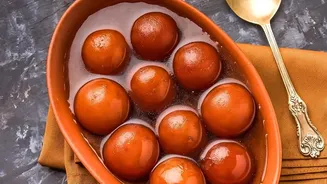
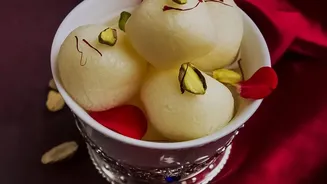
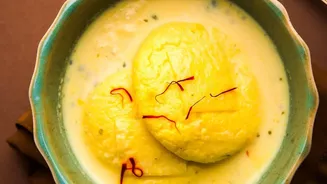
are no longer just recreating Western cakes or traditional mithai; they are fostering a delicious dialogue between the two. This trend goes far beyond simply placing a Gulab Jamun on a cake. It involves a thoughtful deconstruction and reconstruction of flavours and textures. Think of Rasmalai Tres Leches, where the milky, saffron-soaked goodness of rasmalai is infused into the structure of a classic Latin American sponge cake. Or consider the Gajar Halwa Crumble Tart, which marries the warmth of spiced carrots with the buttery bite of a French tart shell. It's a movement that respects both origins while creating something entirely new and delightful.
Nostalgia as the Main Ingredient
At the heart of this fusion trend is a powerful sense of nostalgia. Many of these innovative bakers grew up with the distinct tastes and smells of traditional Indian sweets. Their creations are often an homage to those childhood memories, reimagined through the lens of their modern culinary training. The goal isn't to replace the classics but to celebrate them in a new form. This is evident in creations like Motichoor Rabri Parfaits, which layer the textures of crushed laddoos and creamy rabri in a visually stunning glass, or Paan Panna Cotta, which captures the refreshing, complex flavours of paan in a silky Italian dessert. These desserts connect with a younger generation that appreciates global food trends but still craves the comfort of familiar flavours. It's a way of saying, "I love the taste of home, but I also love to explore."
Masters of Technique and Flavour
This movement is led by skilled chefs who possess a deep understanding of both Indian flavours and international pastry techniques. They are not just mixing ingredients; they are applying scientific principles to create balanced and harmonious desserts. For example, creating a successful Gulab Jamun Cheesecake requires more than just adding the sweet to the batter. Bakers must balance the sweetness of the syrup-soaked jamun with the tang of the cream cheese and ensure the texture remains velvety, not cloying. Similarly, a Chai Crème Brûlée needs to infuse the delicate spice blend of masala chai into the custard without overpowering it, all while achieving the perfect crackly sugar top. This level of precision and artistry is what elevates these desserts from mere novelties to sophisticated culinary creations, championed by pastry artists who are gaining national and international recognition.
A Taste of Modern India's Confidence
Ultimately, this fusion dessert trend is a reflection of a larger cultural shift in India. It mirrors a newfound confidence in our own culinary heritage and a willingness to present it on the global stage, not just as something ancient and traditional, but as something dynamic and evolving. By integrating Indian flavours into globally recognized dessert formats, these bakers are challenging the notion that Western pastry is the only standard of sophistication. They are crafting a unique culinary identity that is unapologetically Indian yet universally appealing. From Chocolate Samosas served with ice cream to Besan Ladoo Truffles, these creations are more than just food. They are edible expressions of a modern, confident India—an India that cherishes its roots while embracing the possibilities of the future.