






Eat Your Water with Hydrating Foods
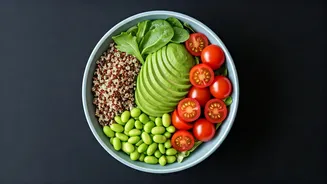
A significant portion of your daily fluid intake, around 20%, comes from the food you eat. [5, 14, 27] Incorporating water-rich fruits and vegetables is an effective and delicious way to boost hydration. Cucumbers lead the pack with a water content of about
95-97%. [2, 4] Other excellent choices include celery, tomatoes, and leafy greens like romaine lettuce. [4, 5, 19] For a sweet, hydrating snack, turn to watermelon (92% water), strawberries (91% water), and cantaloupe (90% water). [4, 19] These foods don't just provide water; they are also packed with vitamins, minerals, and fibre that contribute to overall health. [2, 4]
Understand the Role of Electrolytes
Hydration isn't just about water; it's about fluid balance, which requires electrolytes. These essential minerals—including sodium, potassium, and magnesium—carry an electric charge and help regulate processes like muscle function and fluid retention. [17, 20] You lose electrolytes through sweat, so it's especially important to replenish them after intense exercise or on hot days. [1, 26] While sports drinks are an option, you can get electrolytes from a balanced diet. [17, 20] Potassium-rich foods include bananas, spinach, and avocados, while nuts, seeds, and whole grains are good sources of magnesium. [20] A little bit of salt (sodium) can also aid hydration by helping your body hold onto water. [7, 20]
Consider Milk for Rehydration
It may sound surprising, but research suggests milk can be more effective for rehydration than water, especially after exercise. [1, 3, 7] Milk contains a natural blend of carbohydrates, protein, and electrolytes like sodium and potassium. [7, 10] This combination helps slow the emptying of fluid from the stomach, promoting hydration over a longer period. [7] The protein in milk also aids in muscle repair, making it a powerful post-workout recovery drink. [1, 13] Studies have shown that low-fat or skim milk can restore fluid balance as effectively as, or even better than, commercial sports drinks. [3, 13]
Sip Strategically Throughout the Day
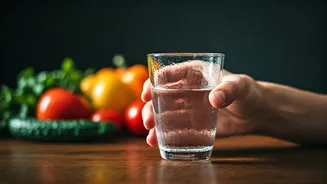
The common advice to drink water only when you feel thirsty is often too late; by the time thirst hits, you are already slightly dehydrated. [11, 28] A better approach is to sip fluids consistently throughout the day. [12, 24] Keeping a reusable water bottle with you can serve as a constant reminder. [15, 25] Some experts recommend drinking a glass of water first thing in the morning to replenish fluids lost during sleep and another glass with each meal. [18, 23] Pacing your intake helps your body absorb the fluids more efficiently, rather than chugging large amounts at once, which can lead to more frequent urination without full absorption.
Look Beyond Plain Water
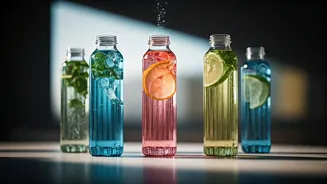
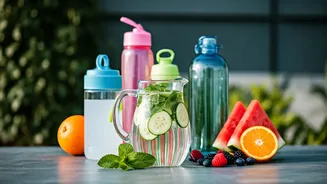
If you find plain water boring, there are many other healthy options that contribute to your fluid intake. Unsweetened herbal teas, whether hot or iced, are excellent choices; peppermint, hibiscus, and chamomile are refreshing options. [8, 9] Broth-based soups can also be very hydrating, particularly during cooler months. [8] You can also naturally flavour your water by adding slices of citrus fruits like lemon or orange, or by infusing it with berries and mint. [15] While they count towards your fluid goals, it's wise to limit sugary sodas, and fruit juices should be consumed in moderation due to their high sugar content. [12]
Listen to Your Body’s Cues
Thirst isn't the only sign of dehydration. Your body sends several signals that it needs more fluids. Common indicators include fatigue, headaches, dizziness, and muscle cramps. [9, 28] One of the most reliable visual cues is the colour of your urine; a pale, straw-like yellow indicates good hydration, while a darker yellow or amber colour is a sign you need to drink more. [24, 28] Paying attention to these early warnings can help you prevent dehydration before it negatively impacts your mood, concentration, and physical performance. [9]