



Behind every flight is a complex, unseen system of technology and people ensuring your safety. Now, that system is undergoing its most significant upgrade in decades, moving away from aging tools to embrace a digital-first future for air travel.
The Unseen Digital Backbone
America's
National Airspace System (NAS) is one of the most complex transportation networks on Earth, managing over 45,000 flights every single day. For decades, this intricate ballet has been managed by Federal Aviation Administration (FAA) air traffic controllers using a mix of reliable, but aging, technologies. In some facilities, processes have relied on systems developed in the 1980s, including, remarkably, floppy disks for vital information like weather reports. These legacy systems, while a testament to their durability, have become increasingly difficult and costly to maintain. Spare parts are scarce, and the fundamental architecture wasn't designed for the volume and complexity of modern air traffic, which now includes drones and commercial space vehicles. The need for modernization is no longer optional; it's a critical step to maintain the safety and efficiency of the skies.
From Floppy Disks to Digital Dashboards
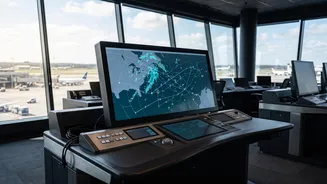
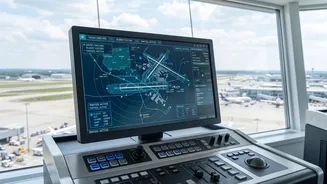
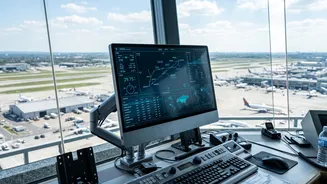
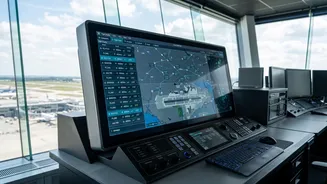
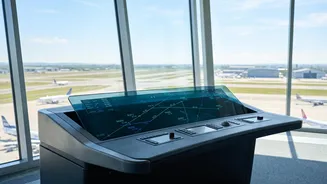
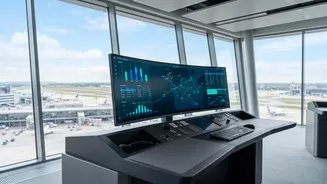
The modernization effort is a multi-faceted initiative, with one of the most recent and tangible changes being the rollout of the Enterprise Information Display System (E-IDS). Announced in November 2026, this system is set to be installed in over 400 FAA facilities by the end of 2028. It will replace four separate legacy systems, some of which still used floppy disks to transfer data. Instead of juggling different screens and manual processes for weather updates, equipment outage reports, and flight alerts, controllers will now have a single, consolidated digital dashboard. This provides faster, more secure access to real-time information, allowing for quicker decision-making. This is part of a broader push to eliminate outdated practices, which also includes replacing the paper flight strips traditionally used to track an aircraft's progress with electronic versions.
The NextGen Foundation
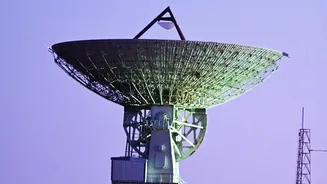
This upgrade is a core component of a larger, long-term program known as the Next Generation Air Transportation System, or NextGen. The goal of NextGen is to transition from a ground-based radar system to a more precise satellite-based navigation and surveillance system. Key technologies already being implemented include En Route Automation Modernization (ERAM) and Data Communications (DataComm). ERAM serves as the high-powered computing backbone for high-altitude traffic control, capable of tracking more aircraft over larger areas. Think of it as the central processing unit of the entire system. DataComm, meanwhile, acts like a text messaging service between pilots and controllers, supplementing traditional voice communication to reduce frequency congestion and minimize misunderstandings. Together, these systems create a more robust and data-rich environment for managing the airspace.
Safer Skies and Fewer Delays
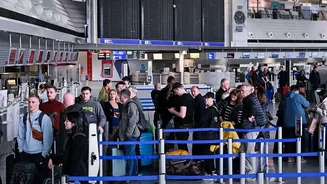
For the flying public, the benefits of this technological overhaul are significant. The primary advantage is enhanced safety. Modern systems provide controllers with better situational awareness and predictive tools, reducing the risk of human error. Incidents linked to aging technology, such as communication outages from old copper wires or near-misses caused by printer failures, highlight the urgency of these upgrades. Beyond safety, the new systems promise greater efficiency. Satellite-based navigation allows for more direct and fuel-efficient flight paths, which can lead to shorter travel times and reduced carbon emissions. Better traffic flow management on the ground and in the air, enabled by systems like the Terminal Flight Data Manager (TFDM), aims to cut down on taxiing time and departure delays, making travel more predictable for passengers.
The Challenge of a Live Upgrade
Upgrading a system that operates 24/7 without ever shutting down is a monumental task. The FAA has been working on elements of the NextGen program for over a decade, with timelines often shifting due to the complexity of development and implementation. The rollout is phased, meaning for a time the U.S. will operate a dual system, with nextgeneration capabilities in some areas and legacy infrastructure in others. This gradual transition is necessary to ensure stability but also presents its own integration challenges. Securing consistent and massive funding is another hurdle; the full scope of modernization requires tens of billions of dollars. Despite these challenges, the FAA and the Department of Transportation are pushing an accelerated timeline, aiming to complete major components of the latest modernization push by 2028, signaling a clear commitment to leaving the analog era behind for good.