






What Is the Perseid Meteor Shower?
The Perseid meteor shower is an annual celestial event that occurs when Earth passes through the trail of debris left behind by Comet 109P/Swift-Tuttle. This comet, which takes 133 years to orbit the sun, leaves a dusty, icy path in its wake. As our planet
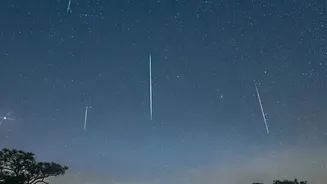
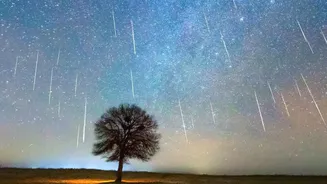
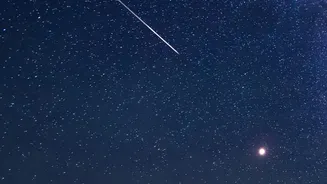
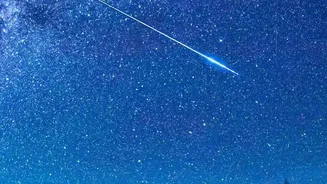
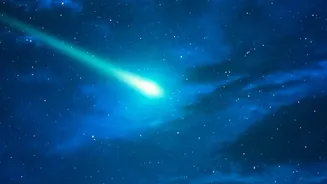
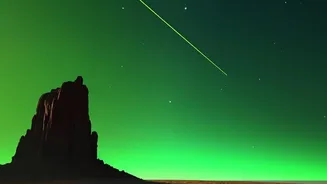
journeys through this cosmic dust cloud, the tiny particles—many no bigger than a grain of sand—burn up upon entering our atmosphere at tremendous speeds. The result is a flurry of bright streaks across the night sky, popularly known as shooting stars. The shower gets its name because the meteors appear to radiate from a point in the constellation Perseus. These meteors are known for being bright and fast, often leaving persistent trails of light and colour.
Why 2026 Is an Exceptional Year for Viewing
The single biggest factor determining the quality of a meteor shower is the brightness of the moon. A full or even partial moon can act like natural light pollution, washing out the fainter meteors and drastically reducing the number you can see. This year, however, skywatchers are in for a treat. The peak of the 2026 Perseid meteor shower coincides perfectly with the new moon on August 12. This means the sky will be completely dark, creating optimal conditions to spot not just the bright fireballs the Perseids are famous for, but also the more numerous, fainter shooting stars. This alignment, which hasn't been this ideal in several years, provides a rare chance to see the shower at its full potential.
When and Where to Look
Mark your calendars for the night of August 12 and the pre-dawn hours of August 13, which is when the shower is expected to peak. While you can see Perseids from mid-July through late August, the highest concentration of meteors will be visible during this peak window. For viewers in India, the best time to watch will be from around 2 AM to dawn on the mornings of both August 12 and 13, when the radiant is high in the sky. The number of meteors generally increases as the night progresses, making the hours just before sunrise the most active. You don't need to look in a specific direction; the meteors can appear anywhere. For the best experience, find a wide-open view of the sky and look generally towards the northeast.
Tips for a Successful Viewing
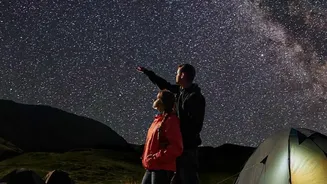
The best part about watching a meteor shower is that you don't need any special equipment like a telescope or binoculars—your naked eyes are the best tool for the job. The key is to find a location as far away from city lights as possible. Rural areas, parks, or even a dark backyard can work well. Once you've found your spot, give your eyes about 20 to 30 minutes to fully adjust to the darkness; this will help you see the fainter streaks. Get comfortable. Lie on a blanket or a reclining chair to avoid neck strain. Patience is crucial. You might see several meteors in a few minutes, followed by a lull. Under ideal conditions, you could potentially see between 50 and 100 meteors per hour.
Viewing in India: Beating the Monsoon
For skywatchers in India, the biggest challenge in August is often the monsoon season, which can bring heavy cloud cover. This makes location planning essential. To increase your chances of clear skies, consider heading to high-altitude, rain-shadow regions. Areas like Ladakh and the Spiti Valley in the Himalayas are excellent choices, as they typically experience less rainfall. The Hanle Dark Sky Reserve in Ladakh, in particular, offers some of the clearest, darkest skies in the country. Alternatively, the arid regions of western Rajasthan or the Rann of Kutch in Gujarat can also provide better viewing opportunities away from the thickest monsoon clouds. Checking local weather forecasts right before you head out will be your most important final step.