






As temperatures drop, you might notice a familiar shift: your hair declares war. Suddenly, you're battling a flaky scalp, unruly frizz, and flyaways with a mind of their own. This isn't your imagination—it's a direct result of winter weather.
The Science of Winter Hair Woes
The primary
culprit behind most winter hair issues is a lack of humidity. Cold air simply cannot hold as much moisture as warm air. When you step outside, the dry, cold air pulls moisture from your hair. Then, you go inside, where indoor heating systems create an even drier microclimate, further stripping moisture from your hair and scalp. This constant cycle of moisture loss causes the hair's protective outer layer, the cuticle, to lift and roughen. A lifted cuticle can't effectively hold onto moisture, leading to a cascade of problems including brittleness, dullness, and breakage.
Why Your Scalp Feels So Dry and Itchy
Your scalp is skin, and just like the skin on your hands, it gets dehydrated in winter. The low humidity causes moisture to evaporate from your scalp more quickly, a process known as transepidermal water loss. This can disrupt the scalp's natural protective barrier, leading to tightness, itchiness, and those familiar white flakes. This isn't necessarily dandruff, but rather a sign of extreme dryness. The constant shift between cold outdoors and heated indoors only exacerbates the problem. Cooler temperatures can also slow blood circulation to the scalp, reducing the delivery of essential nutrients to the hair follicles.
The Frizz Factor: An Uphill Battle
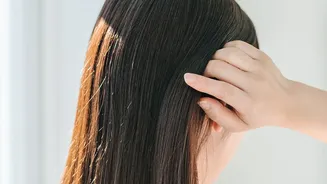
Frizz is often associated with high humidity, but winter frizz is a different beast. It's caused by dryness. When your hair is dehydrated, the cuticle layer becomes rough and raised instead of lying flat and smooth. A raised cuticle allows moisture from the air (even the small amount present) to enter the hair shaft, causing it to swell and appear frizzy and unmanageable. Essentially, your parched hair is desperately trying to grab moisture from anywhere it can, which results in that puffy, unruly texture. This effect is even more pronounced in hair that is already porous from colouring or heat styling.
The Shocking Truth About Winter Static
If your hair seems to have a life of its own in winter, standing on end and clinging to your face, you can blame static electricity. Here’s the simple physics: dry air and friction create an electrical charge. In humid summer months, the moisture in the air helps these charges dissipate. But in dry winter air, the electrical charge builds up on your hair. This charge causes individual strands to repel each other, creating that floating, flyaway effect. Friction from winter accessories like wool hats, scarves, and synthetic fabrics makes the problem even worse by generating more static electricity.
Your Winter Hair Care Survival Guide
Fighting back against winter hair problems is all about restoring and sealing in moisture. Start by switching to a hydrating shampoo and conditioner. Consider washing your hair less frequently to preserve your scalp's natural oils. A weekly deep-conditioning mask or hair oil treatment can provide an intense moisture boost. To combat static and frizz, a leavein conditioner is your best friend, as it adds a protective layer that helps smooth the cuticle. When you can, let your hair airdry or use a heat protectant spray if you must use styling tools. Finally, running a humidifier in your home especially your bedroom can add muchneeded moisture back into the air benefiting both your hair and your skin.