


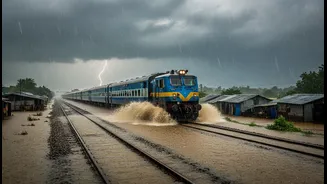


Before You Leave: Preparation is Key
A safe monsoon journey begins before you even step out the door. Always check the weather forecast and local traffic updates for warnings about waterlogging, road closures, or public transport delays. If authorities advise against non-essential travel,
it's best to listen. Charge your mobile phone and a power bank fully, as power cuts and travel delays are common. Pack a small emergency kit with essentials like a raincoat, drinking water, snacks, and any necessary medications. Keeping important documents and electronics in waterproof bags is also a smart move to protect them from damage.
Do's for Drivers and Riders
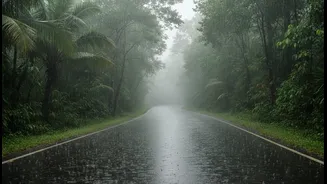
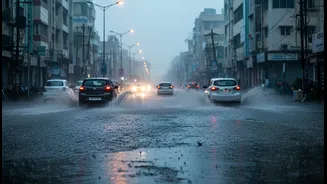
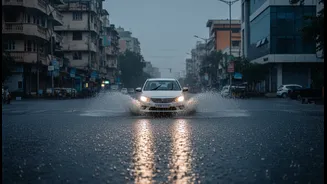
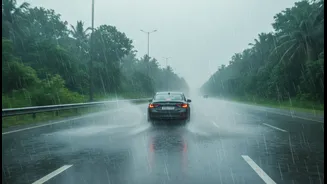
If you must drive, prioritise vehicle readiness. Ensure your tyres have adequate tread, and that your brakes, wipers, and headlights are in top condition. Once on the road, slow down. Wet roads significantly increase braking distances and the risk of skidding. Maintain at least double the usual distance from the vehicle ahead of you. Keep your headlights on a low beam to improve your visibility to others without blinding oncoming traffic. Being extra considerate to pedestrians and two-wheelers is crucial, as they are more vulnerable in these conditions.
Don'ts for Drivers and Riders
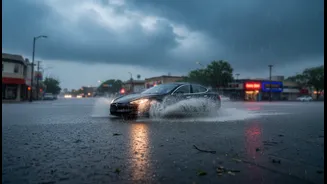
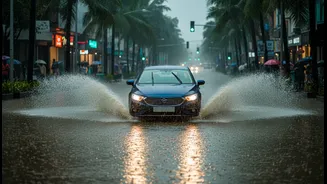
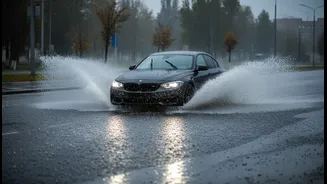
Never attempt to drive through a flooded street or underpass if you cannot gauge the water's depth. What appears to be shallow water can conceal deep potholes, open manholes, or other hazards that can stall or damage your vehicle. A few inches of flowing water can be enough to make you lose control. If you encounter a waterlogged road, find an alternate route or wait for the water to recede. Avoid sudden braking or sharp turns, which can lead to hydroplaning—a dangerous situation where your tyres lose contact with the road. If you do hydroplane, ease off the accelerator and steer straight until you regain control; do not brake suddenly.
Safety for Pedestrians
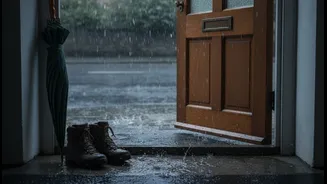
Walking during heavy rain comes with its own set of risks. Wear footwear with a good grip to avoid slipping on wet, slick surfaces. Try to wear brightly coloured or reflective clothing to make yourself more visible to drivers in low-light conditions. Avoid walking through puddles and stagnant water, which can hide open drains and uneven surfaces, and may be contaminated with bacteria. Be extremely cautious of your surroundings, especially downed power lines or loose electrical wires. Report any such hazards to the authorities immediately and keep a safe distance.
Electrical and Health Precautions
The combination of water and electricity is lethal. Never touch electrical switches, appliances, or poles with wet hands or while standing in water. At home, it is wise to unplug non-essential appliances during thunderstorms to protect them from power surges. Health risks also increase during the monsoon. Stagnant water becomes a breeding ground for mosquitoes, increasing the risk of diseases like dengue and malaria. Avoid eating street food, as the chances of contamination are higher during this season, and opt for safe, bottled drinking water.