
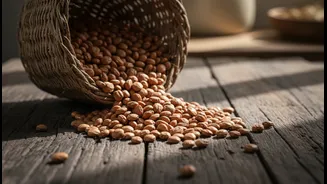


The Heart of the Meal: The Dal
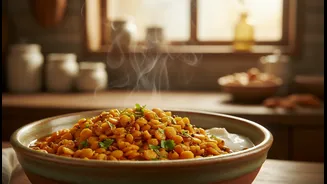
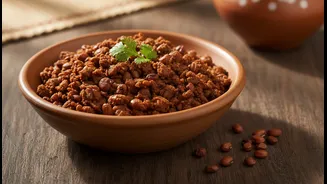
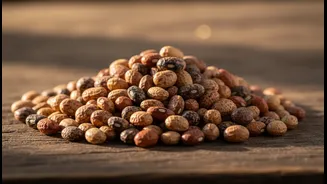
Dal, a stew made from split pulses, is the cornerstone of comfort in Indian cuisine. It’s a fantastic source of plant-based protein and fibre. The beauty of dal lies in its variety and simplicity. For quick weeknight meals, fast-cooking lentils are your
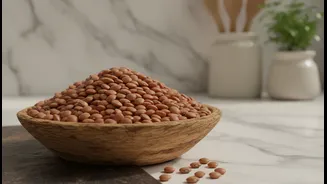
best friend. Masoor dal (red lentils) and moong dal (split yellow lentils) cook in about 15-20 minutes on the stovetop and don't require pre-soaking. Toor dal (split pigeon peas), a slightly heartier staple, benefits from a 30-minute soak but is still easily managed in a pressure cooker. To prepare a basic dal, you simply boil the lentils with water, salt, and turmeric until soft and creamy. The magic, however, comes from the ‘tadka’ or tempering—a final flourish of spices sizzled in hot ghee or oil. A simple tadka might involve cumin seeds, mustard seeds, garlic, and dried red chillies, which are poured over the cooked dal to infuse it with a burst of flavour right before serving.
The Foundational Grain
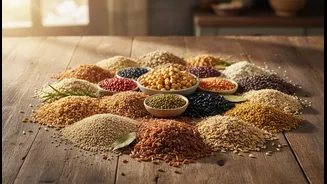
Every satisfying dal needs a companion to soak up its flavour, and that’s where the grain comes in. While steamed basmati rice is the classic and beloved choice, the options are far broader. For a boost in fibre and nutrients, consider alternatives. Brown rice offers a nuttier, chewier texture. Millets, ancient grains that are making a strong comeback in Indian kitchens, are another excellent choice. Varieties like foxtail millet (kangni), pearl millet (bajra), and sorghum (jowar) are naturally gluten-free and packed with minerals. They can be cooked similarly to rice, often in a 1:2 grain-to-water ratio. Even quinoa, a complete protein, pairs beautifully with Indian flavours. And of course, you can always swap a bowl of grains for fresh, hot rotis or chapatis, which are perfect for scooping up every last bit of dal and sabzi.
The Vibrant Vegetable Side
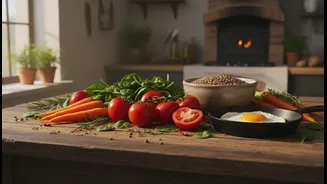
The vegetable component, or sabzi, adds texture, vitamins, and another layer of flavour to your plate. For weeknights, a ‘sukhi sabzi’ (dry vegetable dish) is often the quickest and easiest preparation. This involves stir-frying or sautéing vegetables with spices until tender. Potatoes are a popular base, used in classic combinations like aloo gobi (potato and cauliflower) or aloo methi (potato and fenugreek leaves). Other quick-cooking vegetables that work wonderfully include bhindi (okra), bell peppers (capsicum), cabbage, and spinach. The process is straightforward: heat oil, add spices like cumin seeds, turmeric, and coriander powder, then sauté your chopped vegetables until cooked. A squeeze of lemon or a sprinkle of garam masala at the end can brighten the flavours instantly.
Putting the Template into Action
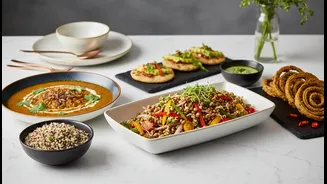
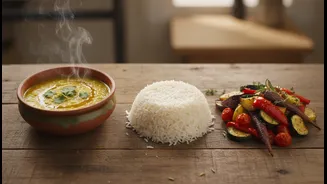
This template isn't a rigid recipe but a flexible formula. The goal is to mix and match based on what you have and what you’re in the mood for. This approach ensures variety and balance without requiring a complex plan. Some classic combinations include: A light and quick Masoor Dal with Basmati Rice and a side of Bhindi (okra) Stir-Fry. A comforting Toor Dal Tadka served with Jowar Roti and a simple Cabbage Sabzi. A creamy Moong Dal paired with Quinoa and a peppery Aloo Gobi (potato and cauliflower). Each combination provides a complete meal with protein from the dal, carbohydrates from the grain, and essential nutrients from the vegetables, creating a balanced and satisfying dinner.
Tips for Maximum Weeknight Efficiency
A little preparation over the weekend can make this template almost effortless during the week. One of the most effective shortcuts is to prepare a large batch of onion-tomato masala or a ginger-garlic paste. This base can be used for both your dal and sabzi, cutting down on chopping and sautéing time. You can also pre-chop sturdy vegetables like carrots, beans, and cauliflower and store them in airtight containers. Some people even cook a large batch of a basic dal to last two or three days; it can then be quickly reheated and a fresh tadka added each night for a new burst of flavour. Even batch-cooking grains like rice or millet can save you a crucial 15-20 minutes on a busy evening.