


The Long Shadow of the Past
To understand the current suspicion, you have to look back. FIFA, world football's governing body, has a well-documented history of corruption that has severely damaged its credibility. The 2015 scandal was a watershed moment, with the US Department of Justice
indicting top officials for bribery, racketeering, and money laundering schemes stretching back decades. These charges were linked to everything from marketing rights to the controversial awarding of the 2018 and 2022 World Cups to Russia and Qatar, respectively. Events like these created a deep-seated culture of mistrust among fans. For many, the default assumption is no longer that the game is clean, but rather a question of how it might be compromised. This historical baggage means that any controversial decision today is instantly viewed through a lens of suspicion.
A Bloated and Risky New Format
The 2026 World Cup is the largest in history, expanding from 32 to 48 teams. While FIFA promoted this as a move for global inclusion, it has created new anxieties. The new structure, featuring 12 groups of four, with the top two teams and the eight best third-placed teams advancing, has been criticised for its complexity and potential for collusion. Critics worry about the increased number of 'dead rubber' games and logistical nightmares across three host nations. There's also a new 'tennis-style' seeding for the knockout rounds, which has been accused of creating a predictable path for top-ranked teams to reach the final stages, shielding them from early high-stakes clashes. Analysts have pointed out that this system has provided a relatively easier journey for giants like Argentina, France, and England, fuelling claims that the tournament is being engineered to keep its biggest stars in contention for as long as possible.
Questionable Calls on the Pitch
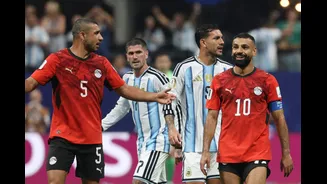
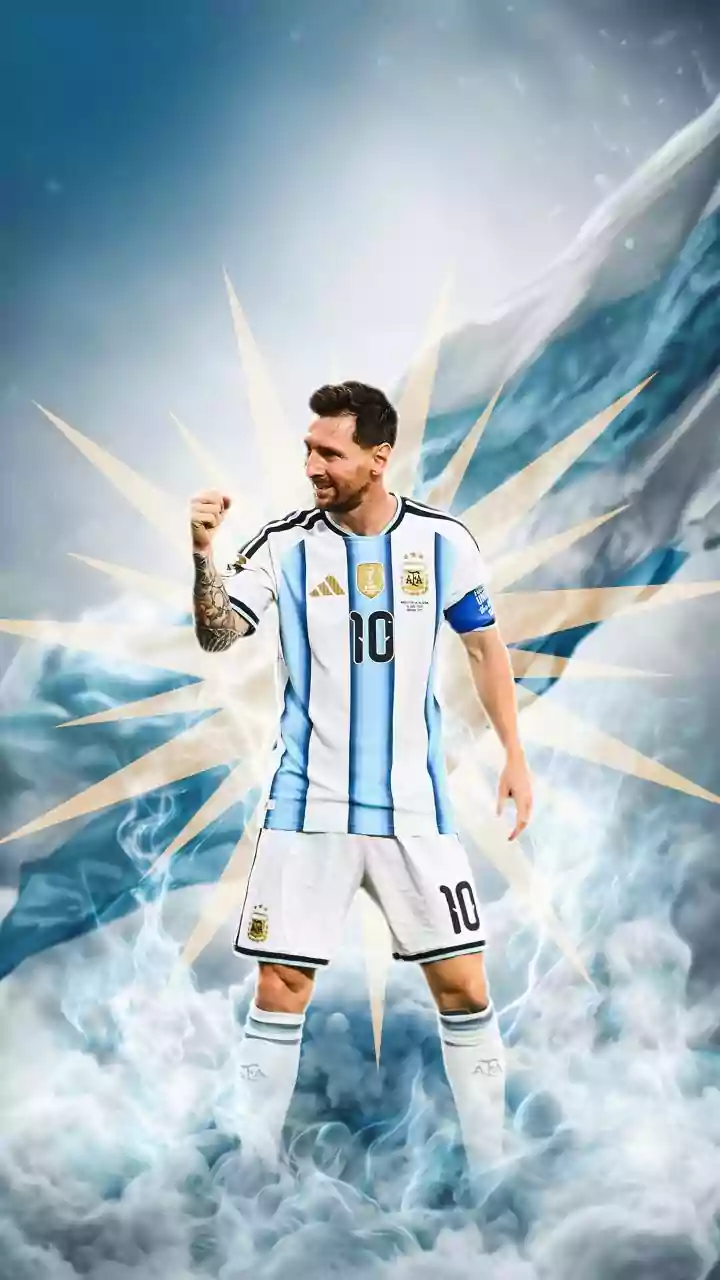
Nothing fuels rigging accusations like controversial refereeing. The 2026 tournament has been plagued by debates over officiating and the use of the Video Assistant Referee (VAR). A major flashpoint was Argentina's dramatic 3-2 comeback win over Egypt in the Round of 16. The Egyptian team and fans were incensed after a goal was disallowed by VAR for a foul that occurred much earlier in the play, while a late penalty appeal for them was denied. The Egyptian FA filed a formal complaint, with their coach suggesting the result was influenced by a desire to keep the defending champions and their star, Lionel Messi, in the tournament. While FIFA's refereeing chief, Pierluigi Collina, has publicly defended the officials' integrity, the perception of bias lingers, especially when a pattern of contentious calls seems to favour the same big teams.
Money, Influence, and Politics
The modern World Cup is a multi-billion-dollar enterprise where sport, commerce, and politics are deeply intertwined. The sheer amount of money involved from broadcasting rights, sponsorships, and betting markets naturally creates an environment where fans question motives. Furthermore, the tournament is a massive platform for soft power, with host nations and political leaders using it for national branding. This year saw controversy when a player's red card was reportedly overturned after a US president intervened, blurring the lines between political influence and sporting governance. Commercial interests also play a role, with reports of an extended halftime for the final to accommodate a major musical performance, a move seen by traditionalists as prioritizing entertainment revenue over the sport's integrity.