




The Ranking That Sparked Curiosity
According to Skyscanner's 'Travel Trends Report', Rupsi emerged as the second top trending destination for Indian travellers looking ahead to 2027, surpassed only by Bishkek in Kyrgyzstan. This remarkable 502% year-on-year increase in search volume has
catapulted the western Assam town into the limelight, outshining many well-known global hotspots. The report highlights a growing trend among Indian travellers, particularly Gen Z, to look beyond conventional destinations and seek more authentic, immersive experiences. The sudden interest isn't just a number; it points to a collective desire to explore the unexplored, and Rupsi, it turns out, is the perfect gateway to a region rich in culture, nature, and history.
Rupsi: More Than an Airstrip
So, what exactly is Rupsi? Located in the Kokrajhar district, Rupsi is primarily known for its airport, a historic airfield with roots in World War II. Originally built by the British and used by American forces, the airstrip was a crucial supply point in the China-Burma-India theatre. After decades of being defunct following the collapse of a regional airline in 1984, the airport was revived under the government's UDAN scheme and became fully operational again in May 2021. Its revitalisation has been a game-changer for connectivity in lower Assam, serving the districts of Dhubri, Kokrajhar, Bongaigaon, and Chirang. But the town is more than just a transit point; it's the launchpad for an incredible journey through western Assam.
Gateway to Western Assam's Treasures
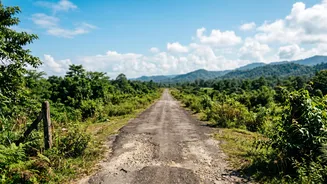
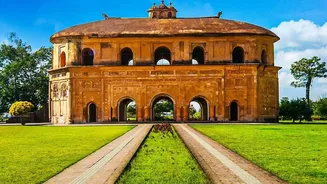
The real magic of Rupsi lies in what surrounds it. The airport provides easy access to a diverse cluster of attractions that offer a blend of spirituality, heritage, and nature. A short drive away is the historic town of Dhubri, situated on the banks of the mighty Brahmaputra. Here, you'll find the Gurudwara Sri Guru Tegh Bahadur Sahib Ji, a significant pilgrimage site established by the ninth Sikh Guru in the 17th century. About 30 km from the airport is the Mahamaya Dham, a revered Shakti Peeth that is a major religious centre in Lower Assam. For history buffs, the Matiabag Royal Palace in Gauripur offers a glimpse into the region's royal past. These sites paint a picture of a land shaped by diverse faiths and a rich history.
A Tapestry of Culture and Nature
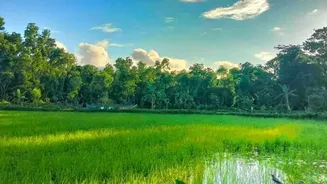
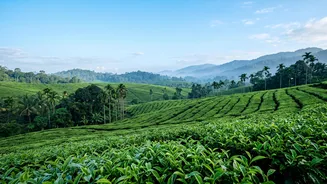
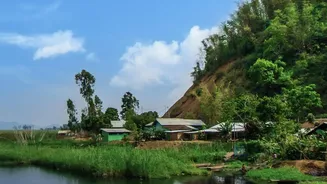
Beyond the historical landmarks, the region is a haven for nature lovers and those interested in traditional crafts. Travellers can visit Asharikandi, a village renowned for its generations of families dedicated to terracotta and pottery crafts. For wildlife enthusiasts, the area is a treasure trove. Rupsi serves as a gateway to Chakrashila Wildlife Sanctuary, famous for its population of golden langurs, an endangered primate. A bit further afield is the sprawling Raimona National Park, another key biodiversity hotspot known for its rich flora and fauna. The riverine landscapes of the Brahmaputra offer their own unique charm, shaping the lives and culture of the people who call its banks home. This combination of vibrant culture and pristine nature is what makes western Assam a compelling destination.
Planning Your Assam Adventure
Thanks to the operational airport, getting to Rupsi is easier than ever, with direct flights connecting it to Guwahati and Kolkata. The best time to visit this part of Assam is between October and March, when the weather is cool and pleasant, making it ideal for sightseeing and exploration. An itinerary of two to three days would allow for a good tour of the key sites around Dhubri and Gauripur, while a longer trip could include excursions to the national parks. While the tourism infrastructure is still developing compared to more established circuits in Assam, this is part of its charm. It offers a more off-the-beaten-path experience for those willing to embrace the journey. The rising search numbers suggest many are ready to do just that.