





A Discovery in the Deep
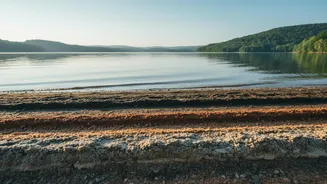
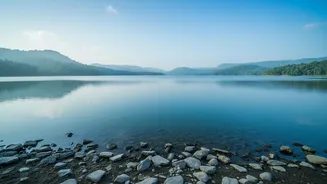
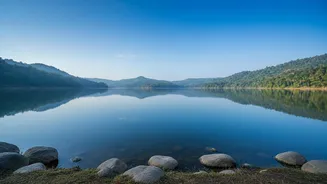
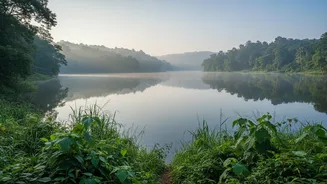
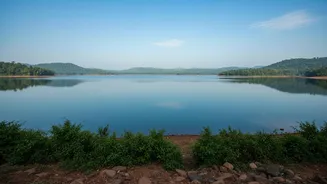
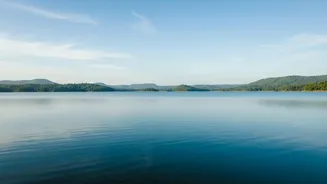
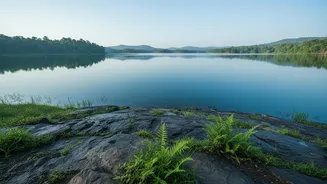
In the Korba district of Chhattisgarh lies Raja Rani Lake, a seemingly ordinary body of water. But for scientists, it holds an extraordinary archive of environmental history. Researchers from the Birbal Sahni Institute of Palaeosciences (BSIP) in Lucknow
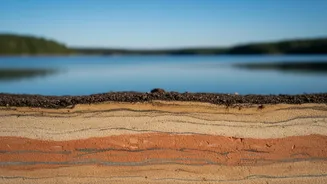
extracted a 40-centimetre-long sediment core from the lakebed. This core, a vertical slice of accumulated mud and organic matter, contains a layered record of the region's past stretching back about 2,500 years. Hidden within these layers are microscopic pollen grains, shed by plants that grew in and around the lake for millennia. By studying these tiny remnants, scientists can reconstruct the landscape and climate of a bygone era with remarkable precision.
The Science of Reading Pollen
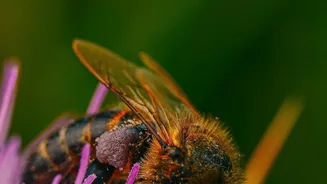
The study of ancient pollen, known as palynology, works on a simple premise: different plants thrive in different climates. Pollen grains from each plant species have a unique and durable shape, allowing scientists to identify them under a microscope thousands of years later. Their tough outer walls allow them to be preserved in the oxygen-poor environment of lake bottoms. When researchers find an abundance of pollen from forest-loving plants that need ample water, it points to a warm, humid climate with strong rainfall. Conversely, a higher concentration of pollen from grasses and herbs suggests a drier, more arid period. By meticulously counting and identifying the pollen in each sediment layer, scientists can build a timeline of vegetation changes, which in turn acts as a direct proxy for past climate shifts.
A Stronger Monsoon in Medieval India
The analysis from Raja Rani Lake yielded a significant surprise. The pollen record showed that between roughly 1060 and 1725 CE, Central India was dominated by dense mixed tropical deciduous forests. This indicates a period of unusually strong and sustained Indian Summer Monsoon (ISM) activity, creating a much warmer and more humid climate than previously thought for that era. This phase corresponds with a global climate period known as the Medieval Climate Anomaly (MCA), which was characterized by warmer temperatures in many parts of the world. The findings are especially important because Chhattisgarh is located in India's Core Monsoon Zone (CMZ), the region that receives the vast majority of the country's annual rainfall and is highly sensitive to monsoon fluctuations. This discovery challenges previous notions about the monsoon's behaviour during the MCA.
Pollen and Sediments: A Fuller Picture
The headline's mention of lake sediments is crucial. Pollen tells us what was growing, while the sediment itself tells us how the environment was behaving. For example, thick layers of fine clay in a sediment core suggest heavy rainfall causing significant runoff and erosion from the surrounding land into the lake. When these sediment layers align with pollen data showing a boom in moisture-loving plants, the evidence for a powerful monsoon becomes much stronger. This multi-proxy approach—using both pollen (a biological proxy) and sediment characteristics (a geological proxy)—gives scientists a more robust and detailed understanding of past climate dynamics than either method could alone.
Why Ancient Clues Matter for Our Future
Understanding that the monsoon was capable of such intense activity in the past provides a vital baseline for climate scientists today. It helps them understand the natural range of monsoon variability, separate from modern human-induced climate change. This historical data is essential for refining the climate models used to predict future trends. By knowing how regional monsoons responded to past global phenomena like the Medieval Climate Anomaly, scientists can better project how the Indian Summer Monsoon might react to ongoing global warming. The study attributes the stronger medieval monsoon to a combination of factors, including La Niña-like conditions and increased solar activity, offering clues into the complex drivers of India's most critical weather system. These insights are not just academic; they are fundamental to strengthening India's climate resilience and preparing for future shifts in our most vital resource: water.