



It's a scenario straight out of a movie: a pilot falls ill mid-flight. But in reality, there’s no need for panic or calls for a hero passenger. The aviation industry is built on layers of redundancy to handle this exact situation safely.
The Co-Pilot is Not Just an Apprentice
The first thing
to understand is the person in the right-hand seat is not simply a trainee. The First Officer, often called the co-pilot, is a fully qualified and certified pilot capable of flying and landing the aircraft alone. Captains and First Officers have nearly identical training, and both must hold an Airline Transport Pilot certificate. They typically alternate who is the 'pilot flying' and who is the 'pilot monitoring' from one flight leg to the next. The main difference is experience and ultimate authority; the Captain is the final decision-maker, but the First Officer is a commander-in-waiting, having undergone extensive training to get there. This dual-pilot system is the first and most important layer of safety.
Immediate Actions in the Cockpit
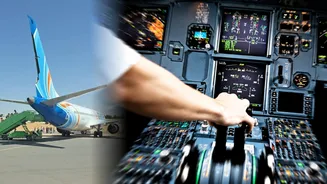
If a pilot becomes incapacitated, the immediate priority for the remaining pilot is to maintain safe control of the aircraft. This principle, often summarised as "aviate, navigate, communicate," guides all emergency procedures. The remaining pilot will take full control, disengaging the affected pilot’s controls if necessary to prevent any unintentional inputs. They will then work to secure the incapacitated pilot, often with the help of the cabin crew, by moving their seat back and ensuring they cannot interfere with the flight controls. The situation is immediately treated as an emergency because the built-in redundancy of a two-person crew has been lost.
Declaring an Emergency
Once the aircraft is stable, the pilot will declare an emergency with Air Traffic Control (ATC). This is typically done with a "Mayday" call, the highest urgency level, which signals a distress situation requiring immediate assistance. This call ensures the flight gets priority handling from ATC. Controllers will clear other air traffic out of the way, provide the pilot with information about the nearest suitable airports, and coordinate with emergency services on the ground. The pilot will choose the best diversion airport based on factors like weather, runway length, and the availability of medical facilities.
The Crucial Role of Cabin Crew
While the remaining pilot focuses on flying the plane, the cabin crew plays a vital role. They are trained in first aid and can be called into the cockpit to assist with the incapacitated pilot. The crew will also make an announcement to see if a doctor or other medical professional is on board who can provide assistance. On the ground, many airlines have services like MedLink, which connect the flight crew to a doctor for real-time medical advice. The cabin crew's training in managing emergencies ensures the situation is handled calmly and professionally, both in the cockpit and the cabin.
Training for the Unthinkable
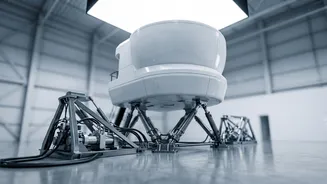
This entire sequence of events is not improvised. Pilot incapacitation is a scenario that pilots and cabin crew train for repeatedly throughout their careers. These drills are practiced in sophisticated flight simulators, allowing crews to rehearse the procedures for taking control, communicating the emergency, and landing safely with a single pilot. This rigorous and recurrent training ensures that if the unthinkable happens, the response is swift, methodical, and governed by well-established safety protocols. While actual incidents of severe pilot incapacitation are rare, the training to handle them is a constant, ensuring the safety of every flight.