



1. Perfect Your Pot Drainage
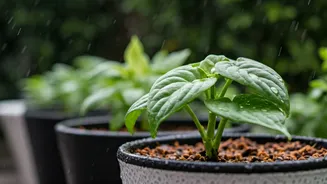
The single biggest threat to potted plants during the rainy season is waterlogging. When water can't escape, the soil becomes saturated, cutting off oxygen to the roots and leading to root rot. Before the heavy rains begin, inspect every pot. Ensure the drainage
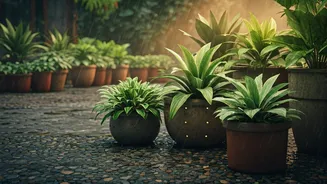
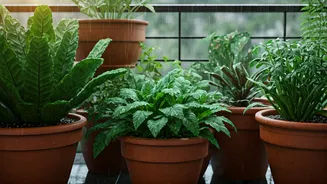
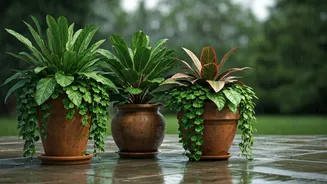
holes at the bottom are clear and unobstructed. If you’re repotting, consider adding a layer of broken terracotta pot pieces or small stones at the base before adding soil. This creates air pockets and improves drainage. For existing plants, you can gently poke the drainage holes with a stick or skewer to clear any blockages. Elevating your pots on stands or 'pot feet' also helps water drain away freely and prevents them from sitting in puddles on your balcony floor.
2. Adjust Your Watering Schedule
This may sound obvious, but it’s a common mistake. Gardeners accustomed to a daily watering routine often continue it out of habit, even during the monsoon. In reality, your plants will need far less manual watering. The soil will retain moisture for much longer due to high humidity and regular showers. Always check the soil before reaching for the watering can. Stick your finger about an inch or two into the soil. If it feels damp, your plant does not need more water. Overwatering is the fastest way to kill a plant during this season. For most plants, letting the top layer of soil dry out slightly between waterings is the best approach.
3. Provide Shelter from Downpours
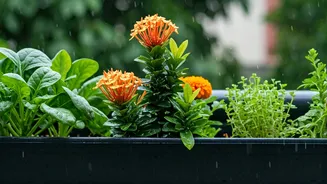
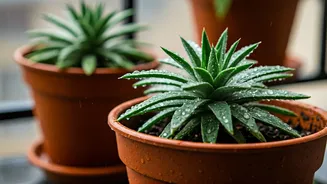
While many plants enjoy the rain, a relentless, heavy downpour can be damaging. The force of the water can break delicate stems and flowers, and oversaturation can harm sensitive plants like succulents, cacti, and certain herbs. If possible, move these more vulnerable pots to a covered area, like a verandah, a windowsill with an overhang, or a spot under a temporary awning. If you can’t move them, you can try grouping smaller, delicate plants behind larger, hardier ones that can act as a natural shield. This simple act of strategic placement can save your most fragile green companions from the worst of the monsoon fury.
4. Watch for Pests and Fungi
High humidity and damp conditions create a perfect breeding ground for pests and fungal diseases. Be extra vigilant during the monsoon. Slugs and snails will be more active, so check for them in the evenings and remove them manually. Look out for signs of fungal infections, like white powdery mildew on leaves or black spots. To prevent this, ensure your plants have good air circulation. Avoid clustering them too tightly together. If you spot a problem, act quickly. Remove any affected leaves immediately to stop the spread. A preventive spray of neem oil solution (a mix of neem oil, a mild liquid soap, and water) every 10-15 days can work wonders in keeping both pests and fungal issues at bay organically.
5. Rethink Your Fertiliser Routine
Constant rain can wash away essential nutrients from the soil in a process called leaching, leaving your plants hungry. However, this doesn't mean you should apply more granular fertiliser, as it will likely just get washed out as well. Instead, switch to a liquid fertiliser and apply it more frequently but at a diluted strength (half the recommended dose is a good starting point). This allows the plants to absorb the nutrients quickly before they are washed away. Another great option is to top up the soil with a fresh layer of rich compost or vermicompost. This acts as a slow-release fertiliser, replenishing nutrients gradually every time it rains.
6. Prune for Better Health
Pruning is crucial during the rainy season. Trimming your plants helps maintain their shape and encourages new growth, but more importantly, it improves air circulation through the foliage. Dense, overgrown plants trap moisture, making them susceptible to rot and fungal diseases. Snip away any yellowing or dead leaves, overcrowded branches, and spent flowers. This not only makes your plant look tidier but also directs its energy towards healthy growth and allows air to move freely, helping the leaves dry faster after a shower. A good trim can be the difference between a thriving plant and a diseased one.