



Starting your day with a balanced meal is crucial for managing blood sugar levels. Incorporating nutrient-dense seeds into your breakfast is a simple, effective strategy to add fibre, healthy fats, and protein, helping you stay full and energised.
1. Chia Seeds: The Fibre Powerhouse
Chia
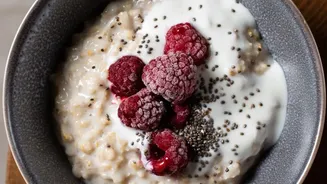
seeds are tiny but mighty, especially when it comes to diabetes management. They are exceptionally high in soluble fibre, which absorbs water to form a gel-like substance in your stomach. This process slows down digestion and the absorption of sugar into the bloodstream, preventing sharp spikes in blood glucose after a meal. A two-tablespoon serving packs about 10 grams of fibre and only two grams of net carbs, making them a low-glycaemic food. Chia seeds are also rich in omega-3 fatty acids and antioxidants, which help combat inflammation, a factor that can worsen insulin resistance. How to use them: Stir a tablespoon of chia seeds into your morning oatmeal, blend them into a smoothie, or make an overnight chia pudding by soaking them in milk or yoghurt. Since they absorb liquid, ensure you are well-hydrated.
2. Flax Seeds: For Better Insulin Sensitivity
Flax seeds are another excellent choice for a diabetes-friendly diet. They are a fantastic source of both soluble and insoluble fibre, which aids in blood sugar control and promotes digestive health. Studies have shown that the compounds in flax seeds can help improve insulin sensitivity, which is the body's ability to respond to insulin effectively. This is crucial for managing type 2 diabetes. Furthermore, flax seeds are one of the richest plant-based sources of alpha-linolenic acid (ALA), an omega-3 fatty acid known for its heart-protective and anti-inflammatory properties. For the best nutritional benefit, it is recommended to consume flax seeds in their ground form, as whole seeds can pass through the digestive system undigested. How to use them: Sprinkle ground flax seeds over your yoghurt or cottage cheese, mix them into your dosa or roti batter, or add a spoonful to your morning smoothie for a nutty flavour boost.
3. Pumpkin Seeds: A Magnesium Boost
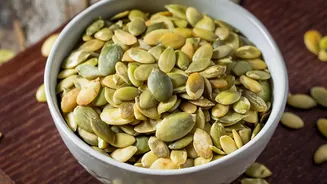
Pumpkin seeds, also known as pepitas, are packed with nutrients beneficial for blood sugar regulation. They are one of the best natural sources of magnesium, a mineral that plays a vital role in how your body uses insulin. Research suggests a link between higher magnesium intake and a lower risk of type 2 diabetes. These seeds are also a great source of healthy fats, protein, and fibre, a combination that helps you feel full and satisfied while having a minimal impact on blood sugar levels. A standard serving of about 30 grams, or a quarter cup, provides these benefits without adding excessive calories. How to use them: Enjoy a small handful of raw or dry-roasted pumpkin seeds as a snack, sprinkle them over a bowl of fruit and yoghurt, or add them to your favourite homemade granola mix.
4. Sunflower Seeds: Rich in Vitamin E
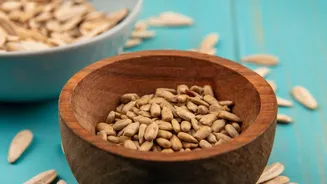
Sunflower seeds are a crunchy, satisfying addition to any meal and offer significant benefits for diabetes management. They have a low glycaemic index, meaning they won't cause a rapid rise in blood sugar. They are rich in vitamin E, a powerful antioxidant that helps reduce inflammation, which is often elevated in people with diabetes. The combination of protein, fibre, and healthy fats in sunflower seeds helps slow the absorption of sugar and promotes satiety, which can aid in weight management. Studies have indicated that regular consumption may contribute to better blood sugar control and improved cholesterol levels. How to use them: Add unsalted sunflower seeds to salads for extra crunch, stir them into oatmeal, or blend them into a homemade seed butter to spread on whole-grain toast.
5. Hemp Seeds: The Complete Protein
Hemp seeds, or hemp hearts, are a nutritional powerhouse perfect for a diabetes-friendly breakfast. They are considered a complete protein, meaning they contain all nine essential amino acids. This high protein content, along with healthy fats, helps stabilise blood sugar levels and provides sustained energy. With very few carbohydrates, hemp seeds have a minimal effect on blood glucose. They are also a good source of omega-3 and omega-6 fatty acids in a beneficial ratio, which can support heart health—a key consideration for individuals with diabetes. How to use them: Sprinkle hemp seeds on top of avocado toast, blend them into smoothies for a creamy texture and protein boost, or mix them into a bowl of Greek yoghurt with berries.