




Problem: Unpredictable Routes and Roadblocks
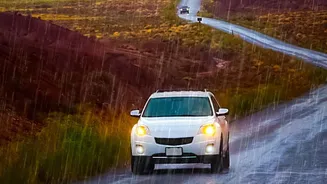
The biggest challenge during the rainy season is the reliability of your route. Heavy rains can cause sudden landslides, flash floods, and waterlogged roads, especially in hilly and coastal areas. Many travellers make the mistake of not building buffer
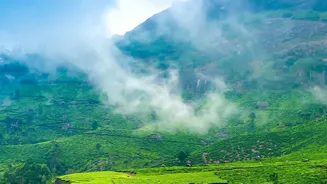
time into their schedules, leading to stress when faced with unexpected delays. Regions like the Himalayas, and even parts of the Western Ghats like Munnar and Wayanad, can become high-risk zones. Before you even book, research your destination's susceptibility to monsoon-related disruptions. Stick to destinations with better infrastructure and lower landslide risk. Always check weather forecasts and local travel advisories before and during your journey. Using GPS with offline maps is a great backup, as connectivity can be patchy. If driving, ensure your car is serviced, especially the tyres, brakes, and wipers. It's wise to hire an experienced local driver who knows the terrain and safe alternative routes.
Problem: Packing the Wrong Gear
Showing up to a monsoon destination with the wrong attire and gear is a recipe for discomfort. Heavy fabrics that don't dry, footwear with no grip, and inadequate protection for your electronics can ruin the experience. The key is to pack smart, not just more. Opt for lightweight, synthetic, and quick-drying clothes. Avoid heavy materials that take ages to dry in the humid air. A foldable waterproof jacket or poncho is non-negotiable. For footwear, choose waterproof sandals or boots with excellent grip to handle slippery paths. One of the most overlooked essentials is a way to manage wet items; a separate dry bag or even just a few extra plastic bags can keep soaked clothes from ruining the rest of your luggage. To protect your valuables, use waterproof bags or zip-lock pouches for your phone, camera, and important documents.
Problem: Health and Hygiene Concerns
The monsoon's humidity and standing water create a breeding ground for mosquitoes and increase the risk of waterborne illnesses. It's easy to let your guard down, but falling sick is a surefire way to spoil a holiday. A major rule is to be cautious about food and water. Avoid street food that might be contaminated and stick to bottled or purified water. Even if you're eating at a restaurant, opt for freshly prepared, hot meals. Always carry a basic first-aid kit with essentials like antiseptic cream, bandages, and medication for common ailments like colds and indigestion. A strong insect repellent is crucial, especially in the evenings and in areas with lush vegetation. Finally, staying dry is about more than just comfort; damp clothes can lead to fungal infections. Using an antifungal powder can be a helpful preventive measure.
Problem: A Rigid Itinerary with No Plan B
Monsoon weather is famously unpredictable. A sudden, day-long downpour can force you to cancel that trek or sightseeing tour you had planned. One of the biggest mistakes is creating a tightly packed schedule with no room for flexibility. Instead of viewing a rainy day as a write-off, build alternatives into your plan. Choose resorts or hotels that offer enjoyable indoor activities, like a spa, a library, or cooking classes. Before booking, research which activities at your destination are weather-dependent. Some attractions might close temporarily due to safety concerns. Having a backup plan, whether it's exploring a local market, visiting an indoor museum, or simply enjoying the rain from a cosy cafe, ensures that your trip remains enjoyable no matter what the weather throws at you. Leave a buffer day or two in your itinerary to account for potential travel delays or spontaneous changes of plan.