


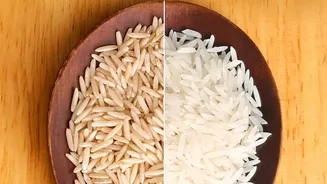
The Science of New vs. Old Rice
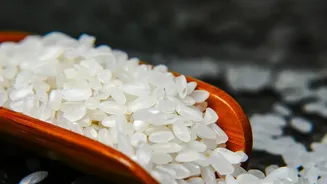
In many Indian households, a distinction is made between 'new rice' (nava chawal) and 'aged rice' (purana chawal). New rice is from a recent harvest and has a significantly higher moisture content. This extra water within the grain means it needs less
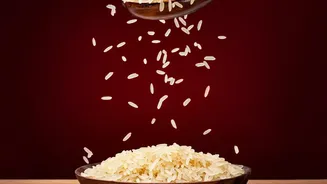
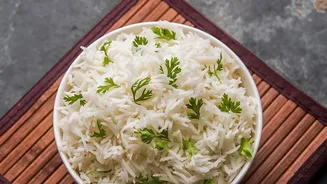
water in the pot to cook. Aged rice, which has been stored for a year or more, has had time to dry out. This drying process changes its structure, making the grains firmer and less sticky when cooked. While the starch and protein content remain similar, these structural changes are what make old rice the preferred choice for dishes like biryani and pulao, where separate, fluffy grains are essential. New rice, with its natural stickiness, is often better suited for dishes like kheer or Pongal.
The Risk of a Mushy Meal
The most common disaster when cooking an unfamiliar rice variety is ending up with a sticky, overcooked pot of mush. This happens when you use the same water-to-rice ratio you would for your standard, often aged, rice. Because new rice contains more internal moisture, adding the usual amount of water effectively waterlogs it. The grains break down, release excess starch, and clump together. For a simple side dish, this might be a minor annoyance. But if you're preparing an elaborate biryani for guests, where the integrity of each grain matters, a mushy texture can ruin the entire dish. The principle holds true not just for new rice but for any variety you haven't cooked before—from short-grain Gobindobhog to long-grain Basmati, each has a unique water requirement.
How to Run Your Test Batch
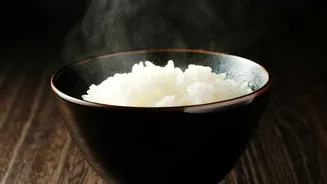
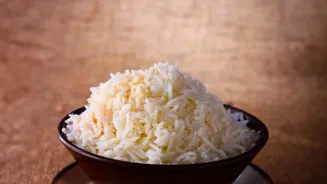
A test batch is a simple, ten-minute insurance policy against a ruined meal. It allows you to determine the ideal water ratio for your specific bag of rice before committing to a large quantity. Start with a small, measured amount—a quarter cup of rice is perfect. Rinse the rice as you normally would to remove excess surface starch. For your first attempt with a new variety, begin with a lower water ratio than you might typically use. A 1:1.5 ratio of rice to water is a safe starting point for many white rice types. Cook this small batch on the stovetop or in your rice cooker. Once it's done, let it rest, covered, for about ten minutes. Then, fluff it with a fork and assess the texture. Is it perfectly cooked, too hard, or too soft? This small observation is the key to scaling up successfully.
Adjusting for Perfection
Your test batch provides all the information you need. If the rice was too firm or had a hard centre, it needs more water. For your main batch, increase the ratio slightly—for instance, from 1:1.5 to 1:1.75. If the test batch came out too soft or mushy, you need to reduce the water significantly. Try a ratio closer to 1:1.25 for the main meal. It's always easier to fix undercooked rice than overcooked rice. If your main pot of rice still seems a bit too firm, you can add a splash of hot water, cover the pot, and let it steam off the heat for another 5-10 minutes. Once you find the perfect ratio for that specific variety and batch, make a note of it. This ratio is now your reliable guide for that entire bag of rice.
A Principle for All Grains
This 'test first' principle isn't just for distinguishing new from old rice; it's a universal rule for mastering any grain. The world of rice is incredibly diverse, with thousands of varieties, each with its own properties. Short-grain sushi rice requires very little water for its characteristic sticky texture, often a 1:1.2 ratio. Heartier brown or red rice, with their tough outer bran layers, require more water and longer cooking times, sometimes a ratio of 1:2.25. Even different brands of the same type, like Sona Masuri or Basmati, can vary based on their age and milling process. By adopting the habit of a quick test run, you empower yourself as a cook, removing the guesswork and ensuring you can confidently prepare any rice variety to perfection.